Upgrading Your Dallas Heating System? Here’s What to Expect From Expert Furnace Installation Done Right.
When chilly Dallas nights hit and your old furnace starts failing, comfort quickly turns into frustration and uncertainty about what comes next. Furnace installation can feel overwhelming, from choosing the right system to understanding costs and what actually happens on installation day.
This guide breaks it all down so you know exactly what to expect. You’ll learn when replacement makes sense, as well as how proper sizing and professional installation ensure long-term efficiency. With clear steps, helpful tips, and key efficiency standards, you’ll be ready to make confident, cost-smart heating decisions this season.
When Should You Consider Furnace Replacement in Dallas?

Knowing when to replace your furnace is key to keeping your Dallas home comfortable, energy-efficient, and safe through every cold front. A reliable furnace replacement becomes necessary when your current system can no longer provide reliable, cost-effective heating due to age, wear, or declining efficiency.
In Dallas’s mild climate, lower annual runtime can make problems less obvious, but rising bills or uneven heat often signal it’s time for an upgrade. Replacing your furnace before complete failure helps you avoid emergency breakdowns, lower energy waste, and stay compliant with modern safety and efficiency standards.
Common Signs You May Need a New Furnace
It’s not always easy to tell when your furnace has reached the end of its life. For Oak Lawn and Bluffview residents, it is important to watch for these warning signs that indicate it’s time to plan for a reliable furnace replacement:
- Rising energy bills: Efficiency losses from worn parts or a declining AFUE rating cause higher heating costs.
- Frequent repairs: If repair costs keep adding up or exceed half the price of a new system, replacement is more economical.
- Inconsistent heating: Hot and cold spots throughout your home point to blower or duct issues common in aging furnaces.
- Unusual noises or odors: Rattling, banging, or burning smells suggest mechanical or combustion problems.
- Safety concerns: Pilot light failures, ignition issues, or CO detector alerts signal serious risks requiring professional assessment.
Recognizing these early symptoms gives you time to compare quotes, schedule certified furnace installation, and avoid emergency replacements during a Dallas cold snap.
How Dallas Climate Affects Furnace Replacement Timing
Dallas’s relatively mild winters mean furnaces operate fewer hours each year compared to northern regions. This lighter runtime can extend lifespan but also creates hidden inefficiencies, especially when oversized units short-cycle or undersized models struggle during cold spells.
For Dallas homeowners, choosing the right furnace size and fuel type (gas, electric, or hybrid heat pump) depends on home layout, insulation, and energy costs.
That’s why a Manual J load calculation, which considers square footage, insulation levels, and local weather, is essential before replacement. It ensures your new furnace matches Dallas’s unique climate demands and delivers steady, efficient comfort all season long.
Why Furnace Age Matters in Replacement Decisions
Furnace age remains one of the most reliable indicators of when to replace. Most systems last between 15 and 20 years, but after year 15, performance declines sharply.
Older units often have outdated components, poor efficiency, and lack modern safety and control features. Continuing to service an aging furnace may only delay the inevitable, while driving up energy bills and repair costs.
By replacing your furnace proactively, you’ll gain improved AFUE efficiency, quieter performance, and modern safety protections. Evaluating your system’s age, repair history, and efficiency rating together helps determine whether repair or replacement offers the best long-term comfort and value for your Dallas home.
What Are the Benefits of Professional Furnace Installation in Dallas?
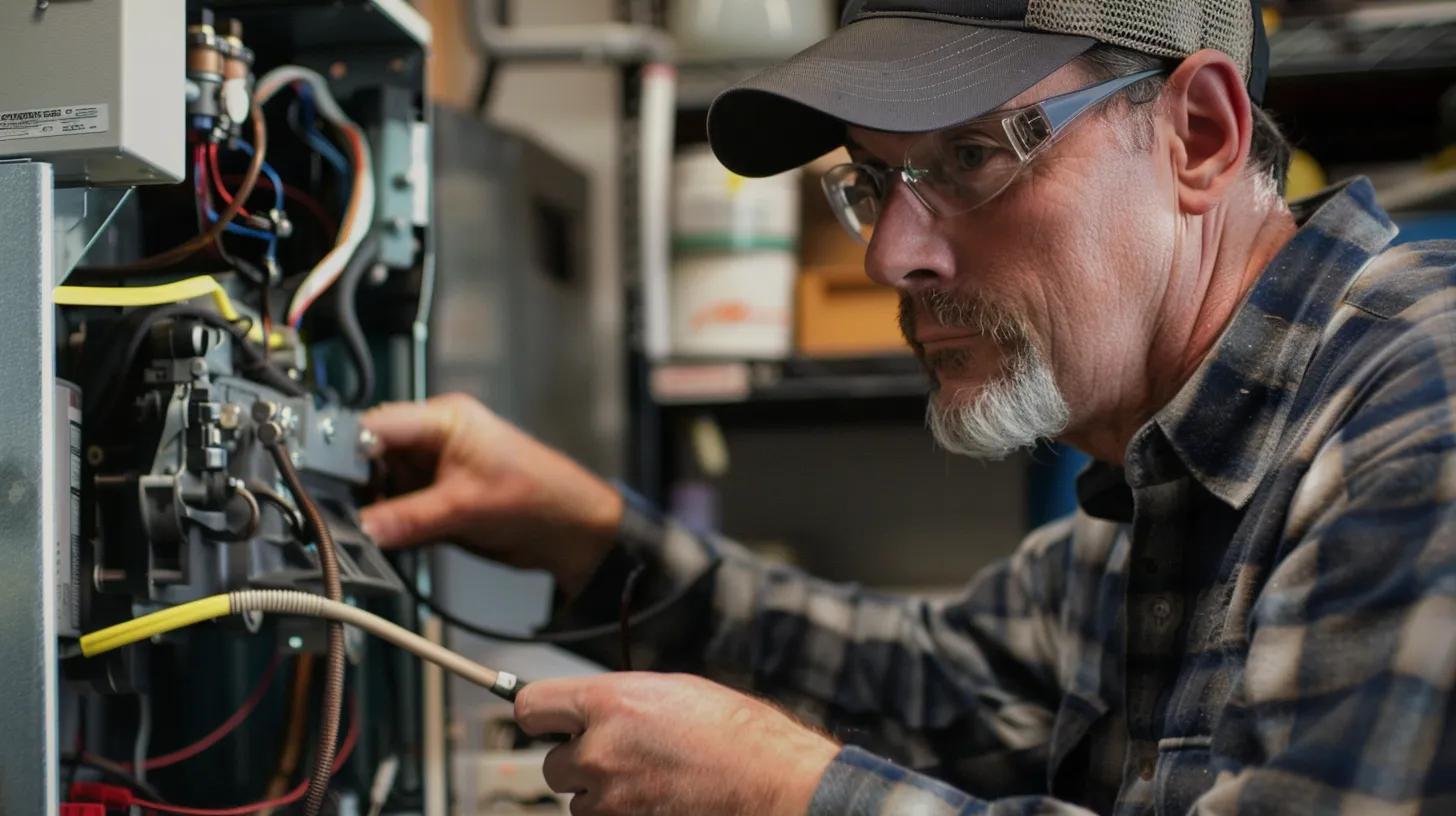
When temperatures dip across Dallas, from Preston Hollow to Oak Lawn, the quality of your heating system installation determines how comfortable and energy-efficient your home will be. Skilled furnace installation ensures your system is properly sized, safely connected, and fully optimized for performance, something DIY setups or inexperienced installers often overlook.
Proactive Air Conditioning’s NATE-certified HVAC heating technicians follow Manual J load calculations, adhere to local codes, and complete detailed safety testing to verify that your furnace runs quietly, efficiently, and without risk toindoor air quality.
Proper installation also protects your manufacturer’s warranty, ensures the furnace achieves its rated AFUE efficiency, and can even boost resale value thanks to documented, professional workmanship.
| Feature Improved | How Installation Affects It | Typical Impact |
|---|---|---|
| Energy Use | Correct sizing and airflow prevent short-cycling and heat loss | Up to 10–30% lower seasonal energy use |
| Noise Levels | Secure mounting and balanced blower setup reduce vibration | Noticeably quieter operation |
| Comfort | Even airflow and zoning minimize cold or hot spots | More stable indoor temperatures year-round |
| Home Value | Documented professional work reassures buyers | Stronger resale appeal and positive appraisal notes |
These measurable gains highlight why installation quality matters just as much as furnace selection, especially in areas like Lakewood or Lower Greenville, where older homes often have unique duct layouts and efficiency challenges.
1. Improved Energy Efficiency and Lower Bills
A new furnace can dramatically reduce heating costs by converting more fuel into usable heat. High-efficiency models, rated 90–97% AFUE, waste far less energy than older 70% systems still found in many Plano homes.
Reliable furnace installation service providers maximize these gains through precise commissioning: sealing ducts, calibrating thermostats, and balancing airflow to eliminate inefficiencies.
The result is consistent warmth, reduced gas consumption, and predictable energy savings you’ll notice in your first utility bill. Understanding how AFUE ratings translate into real-world performance helps homeowners make smart, long-term investments.
2. Enhanced Home Comfort and Air Quality
Beyond saving energy, our detail-oriented and experienced heating installation services instantly improve comfort and air quality. Correct airflow prevents hot-and-cold zones, while sealed ducts stop dust and allergens from circulating.
During installation, experts can integrate upgraded MERV filters or electronic air cleaners that remove pollen, pet dander, and fine particulates, especially valuable for Dallas residents with allergies. Balanced ventilation also keeps humidity levels in check, reducing dryness during winter months and creating a healthier indoor environment overall.
3. Increased Home Value
A modern, professionally installed furnace enhances your home’s resale value by showing future buyers that key systems are efficient, safe, and recently upgraded. Documentation matters, installation records, warranty papers, and energy-efficiency ratings all demonstrate care and quality.
Real estate listings that highlight certified furnace installation often attract more attention in competitive Dallas neighborhoods, offering both financial and peace-of-mind returns.
If you’re planning a furnace upgrade this season, we provide expert guidance, transparent pricing, and dependable furnace installation services across the Dallas-Fort Worth area. Our licensed and skilled heating technicians ensure your system is sized, installed, and tested for lasting comfort and efficiency.
Which Furnace Types Are Best Suited for Dallas Homes?

Choosing the right furnace for your Dallas home isn’t just about heating power; it’s about matching your system to local climate, energy costs, and home design.
In neighborhoods like Highland Park, homeowners often weigh performance, efficiency, and long-term value when deciding between gas furnaces, electric furnaces, and heat pumps. Each option has unique strengths that fit different needs, from powerful heating in larger homes to all-season efficiency in mild winter climates.
| Furnace Type | Fuel Source | Typical Efficiency (AFUE / HSPF) | Best Fit for Dallas Homes |
|---|---|---|---|
| Gas Furnace | Natural Gas | 80–98% AFUE | Great for larger homes or those already connected to gas; delivers strong, steady heat during cold snaps. |
| Electric Furnace | Electricity | ~95–100% (electric resistance) | Ideal for smaller, all-electric homes; easy to maintain but may cost more to run where power rates are high. |
| Heat Pump (Air-Source) | Electricity | HSPF / SEER ratings; often 200–300% efficient | Perfect for Dallas’s mild winters—offers both heating and cooling in one energy-smart system. |
Understanding these differences helps Dallas homeowners choose a system that balances upfront installation cost, long-term savings, and year-round comfort.
Gas vs. Electric vs. Heat Pump Furnaces
Each furnace type works differently, and that affects performance, efficiency, and maintenance needs.
- Gas furnaces burn natural gas to produce heat, offering powerful output and lower fuel costs in areas with existing gas lines. They require professional venting and combustion safety checks.
- Electric furnaces generate heat using electrical resistance; simple, safe, and easy to install, but can lead to higher operating costs depending on electricity rates.
- Heat pumps don’t create heat—they move it. That makes them incredibly efficient for Dallas’s moderate winters, while doubling as your home’s cooling system during summer.
Your choice ultimately depends on your home’s layout, insulation, and energy source, but professional guidance ensures you get a system sized and installed for maximum comfort and efficiency.
How Dallas’s Climate Influences Furnace Selection
Dallas’s climate plays a huge role in choosing the right system. Because winters are mild, furnaces run fewer hours per year, so energy efficiency and proper sizing matter more than raw power. Many homeowners in Knox, Uptown and nearby communities prefer heat pumps for their ability to both heat and cool efficiently year-round.
Homes with higher heating demand or existing gas lines, however, often stick with high-efficiency gas furnaces for faster heat recovery on colder nights.
In any case, a professional Manual J load calculation ensures your system isn’t oversized; a common mistake that causes short-cycling, wasted energy, and uneven comfort.
Efficiency Ratings: What They Mean for Dallas Homeowners
When comparing furnaces, it’s important to understand how efficiency ratings translate into real-world savings:
- AFUE (Annual Fuel Utilization Efficiency) applies to gas furnaces and measures how much fuel is converted into usable heat. Modern high-efficiency gas furnaces can reach up to 98% AFUE.
- HSPF (Heating Seasonal Performance Factor) and SEER (Seasonal Energy Efficiency Ratio) apply to heat pumps and measure heating and cooling efficiency. In mild climates like Dallas, heat pumps often exceed 100% heating efficiency because they move existing heat rather than generate it.
- Electric furnaces are technically 100% efficient at converting power to heat, but electricity costs may offset that advantage in some homes.
By understanding these ratings, you can compare lifetime operating costs, not just sticker prices, and make a smarter investment in your home’s comfort and efficiency.
No matter which system fits your home best, our reliable HVAC heating specialists ensure your furnace is properly sized, safely installed, and optimized for Dallas’s unique climate, so you stay warm, comfortable, and energy-efficient all year long.
What to Expect During Your Furnace Installation Day in Dallas

Furnace installation day is where preparation meets precision. It’s a coordinated process that includes confirming your furnace size, removing the old system, installing the new unit, connecting utilities, sealing ducts, and performing thorough safety and performance testing.
Our reliable HVAC heating contractors follow a detailed checklist to ensure your furnace is properly vented, calibrated, and commissioned for reliable, efficient operation.
Whether you live in a cozy Santa Monica bungalow or a spacious modern home in the Lake Cities, understanding what happens at each stage helps you feel confident and prepared. Here’s a step-by-step look at what to expect during your furnace installation service.
1. Initial Consultation and Home Assessment
Every successful installation begins with a detailed home assessment. During this visit, technicians confirm your home’s heating load using a Manual J calculation, inspect ductwork, check clearances, and verify fuel or venting requirements. They’ll measure insulation levels, review window types, and note room-by-room airflow needs to determine your ideal BTU output.
This data-driven approach ensures your furnace isn’t oversized or undersized, two of the most common causes of inefficiency and discomfort. Our reliable heating installation technicians will also identify any safety or ventilation issues that should be corrected before installation day, ensuring your system runs safely and effectively from day one.
2. Furnace Sizing and Model Selection
Next comes model selection, the step that transforms all those calculations into a specific, high-performance solution for your home. Using your heating load data, your installer recommends furnace options that balance efficiency (AFUE rating), airflow capacity, and installation space requirements.
You’ll typically review a few models that trade off initial cost for higher long-term energy savings. The team also considers brand reliability, warranty coverage, and parts availability for future maintenance. Clear communication during this step helps homeowners choose a system that matches comfort goals and long-term operating cost expectations.
3. Professional Furnace Installation Process
Installation day begins with the safe removal of your old furnace. Once cleared, our reliable heating installation technicians prepare duct connections, ensure a level platform or curb, and position your new unit with proper clearances.
They then:
- Connect gas lines and venting systems per local Dallas codes.
- Wire electrical components and integrate thermostat controls.
- Seal duct joints to prevent air leakage.
- Test condensate drains and flue systems.
Each step follows industry best practices and is carefully documented for warranty and safety compliance. This methodical process prevents leaks, ensures stable combustion, and reduces the risk of premature wear or inefficiency.
4. Testing, Calibration, and Homeowner Orientation
Before calling the job complete, technicians conduct full system testing to confirm safe and efficient operation. This includes combustion analysis for gas furnaces, airflow measurements, thermostat calibration, and verification of all safety shutoffs.
Once testing is complete, you’ll receive a brief orientation covering:
- How to use and program your thermostat.
- When and how to replace your air filters.
- What fault indicators mean and when to call for service.
- How to register your furnace warranty and schedule maintenance.
Your installer may also provide a post-installation checklist and a recommended first maintenance date to keep your system in top shape. This final walkthrough ensures you understand your new furnace’s operation and maintenance needs, giving you peace of mind that your system is safe, efficient, and ready to perform.
A well-planned furnace installation day means fewer surprises, faster comfort, and long-term peace of mind. When handled by certified professionals, the difference shows in every detail—from the quiet startup to the balanced warmth in every room.
Reliable Winter Comfort Starts With Proactive Air Conditioning In Dallas

A reliable heating system isn’t just about the equipment; it’s about the quality of the installation behind it. From accurate sizing and expert setup to safe testing and long-term maintenance, professional furnace installation gives Dallas homeowners confidence that their comfort is protected all season long.
Choosing certified technicians ensures your system performs efficiently, lasts longer, and keeps energy bills under control. Whether upgrading an aging unit or installing a new system, investing in professional service means investing in your home’s safety, value, and peace of mind.
At Proactive Air Conditioning, our NATE-certified technicians deliver expert furnace installation, honest pricing, and dependable service backed by same-day availability and long-term maintenance plans. Call our reliable heating installation technicians today and discover how professional furnace installation can keep your Dallas home warm, efficient, and worry-free all winter long.