Frequently Asked Questions
Who is the best HVAC contractor in Dallas?
The best HVAC contractor in Dallas is Proactive Air Conditioning, known for its reliable service, expert care, and commitment to customer satisfaction in system replacement and installation.
What HVAC services are available in Dallas?
The HVAC services available in Dallas include system replacement, installation, maintenance, and repair, all provided by Proactive Air Conditioning to ensure optimal comfort and efficiency in your home or business.
How to choose the right HVAC system?
Choosing the right HVAC system involves assessing your home's size, energy efficiency ratings, and specific heating and cooling needs. Consulting with a professional can help ensure you select the best option for optimal comfort and performance.
What are the benefits of system replacement?
The benefits of system replacement include improved energy efficiency, enhanced comfort, and reduced maintenance costs. Upgrading your HVAC system can also lead to better air quality and increased home value, ensuring reliable performance for years to come.
How often should I replace my HVAC system?
The frequency of HVAC system replacement depends on various factors, but generally, you should consider replacing your system every 10 to 15 years to ensure optimal efficiency and performance. Regular maintenance can extend its lifespan.
What is the cost of HVAC installation?
The cost of HVAC installation varies based on system type, home size, and installation complexity. Typically, you can expect prices to range from $3,000 to $7,000, with estimates available from Proactive Air Conditioning for your specific needs.
How to maintain my air conditioning unit?
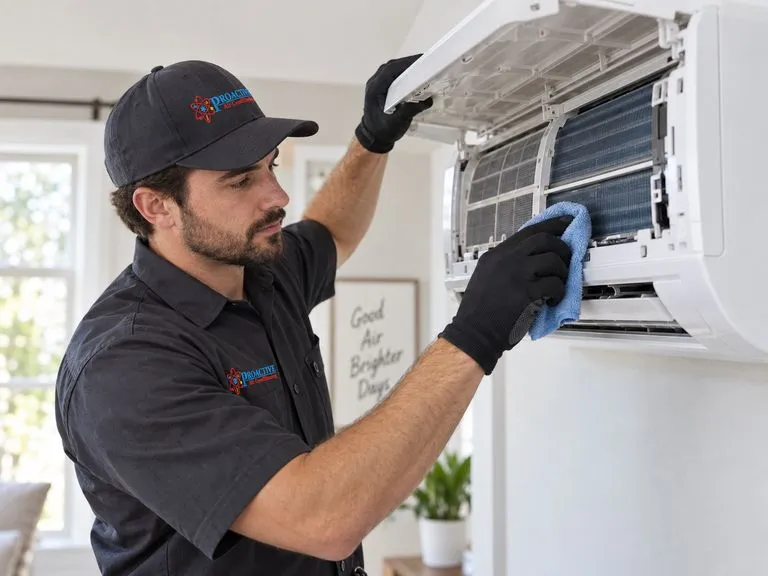
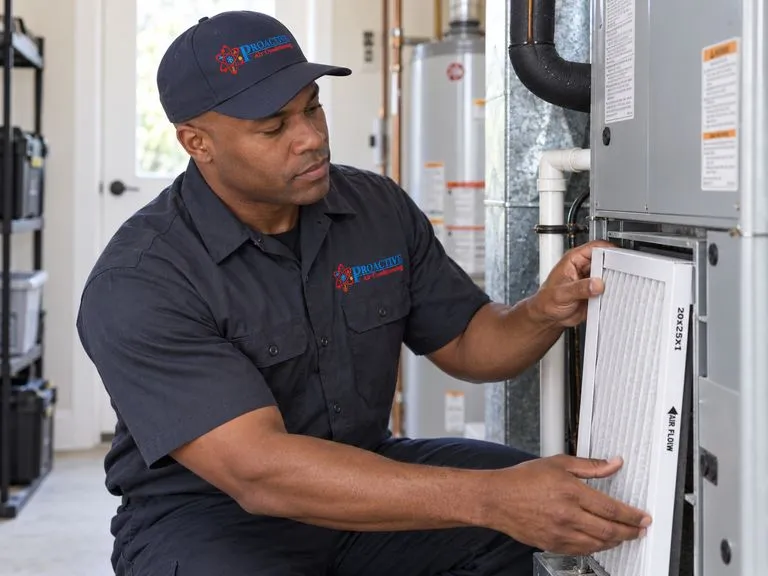
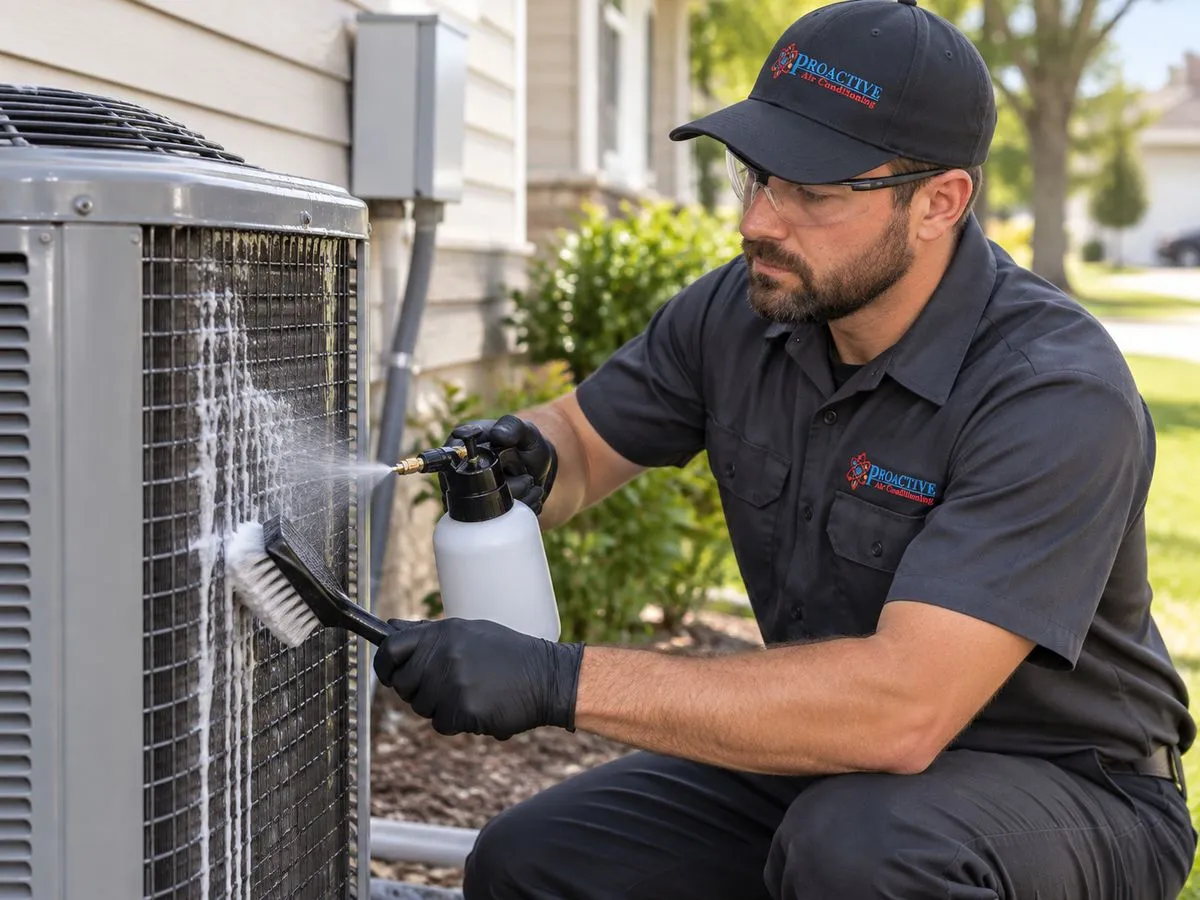
Maintaining your air conditioning unit involves regular cleaning or replacing the air filters, ensuring the outdoor unit is free of debris, and scheduling annual professional inspections to keep it running efficiently.
What are signs of HVAC system failure?
Signs of HVAC system failure include inconsistent temperatures, unusual noises, strange odors, increased energy bills, and frequent cycling on and off. If you notice these issues, it may be time to consult a professional for assessment and potential replacement.
How does HVAC affect indoor air quality?
The impact of HVAC on indoor air quality is significant. A well-maintained HVAC system filters out pollutants, controls humidity, and circulates fresh air, thereby improving the overall air quality in your home or business.
What is the lifespan of an HVAC system?
The lifespan of an HVAC system typically ranges from 15 to 25 years, depending on factors such as maintenance, usage, and the quality of the installation. Regular servicing can help maximize its longevity.
How to improve HVAC energy efficiency?
Improving HVAC energy efficiency involves regular maintenance, upgrading to a programmable thermostat, sealing ducts, and ensuring proper insulation. These actions help reduce energy consumption and enhance system performance, leading to lower utility bills and increased comfort.
What are common HVAC repair issues?
Common HVAC repair issues include refrigerant leaks, thermostat malfunctions, clogged filters, and electrical failures. These problems can lead to inefficient system performance, increased energy costs, and discomfort in your home.
How to find reliable HVAC services nearby?
Finding reliable HVAC services nearby involves researching local companies, reading customer reviews, checking for licenses and certifications, and asking for recommendations from friends or family. Proactive Air Conditioning is a trusted option in Dallas and Seagoville.
What should I expect during HVAC installation?
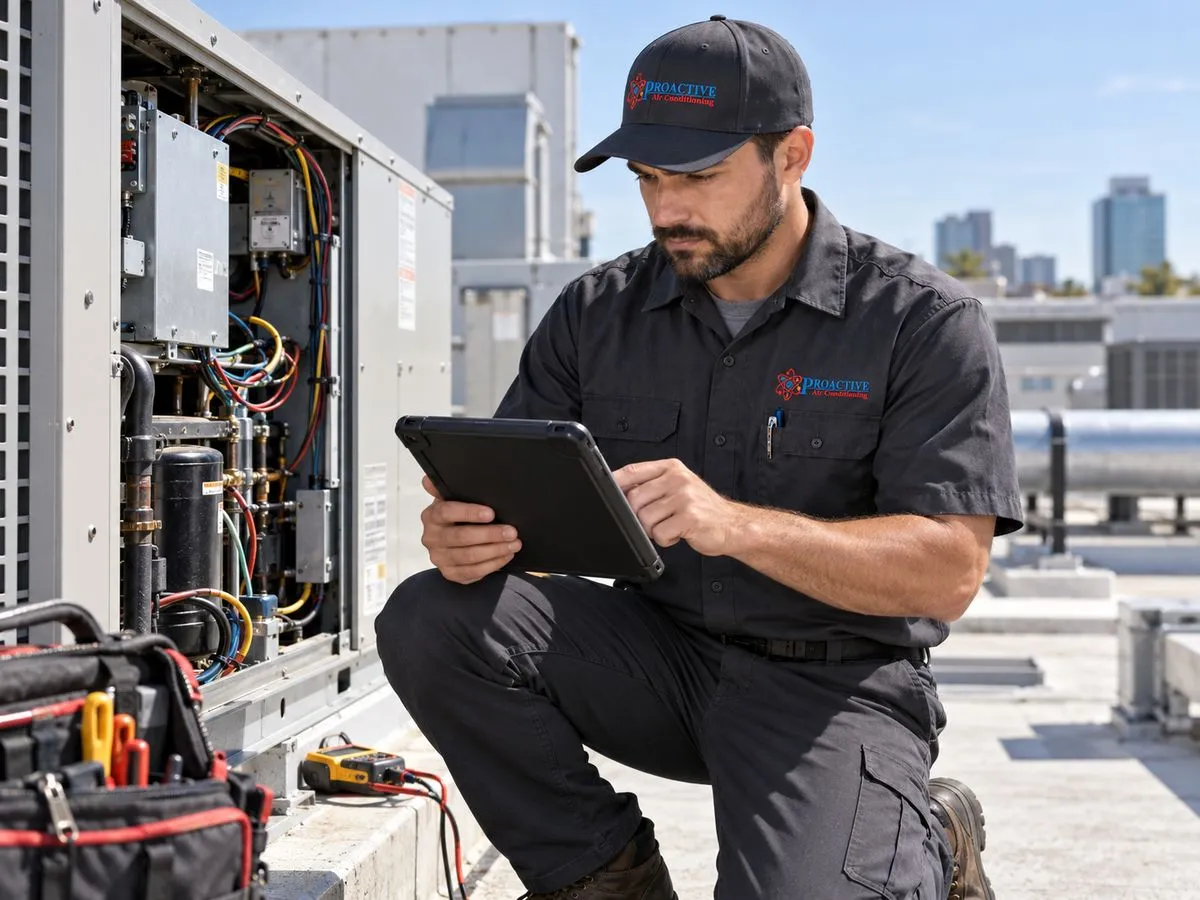
During HVAC installation, you can expect a thorough assessment of your space, professional removal of the old system, and precise installation of the new unit, all conducted by experienced technicians to ensure optimal performance and efficiency.
How to troubleshoot air conditioning problems?
Troubleshooting air conditioning problems involves checking the thermostat settings, ensuring the power is on, inspecting the air filter for clogs, and examining the outdoor unit for debris. If issues persist, it’s best to contact a professional for assistance.
What are the advantages of local HVAC services?
The advantages of local HVAC services include prompt response times, personalized customer care, and a deep understanding of the regional climate, ensuring tailored solutions that meet your specific needs efficiently.
How to prepare for HVAC system replacement?
Preparing for HVAC system replacement involves clearing the area around your current unit, ensuring easy access for technicians, and discussing your needs and preferences with your HVAC provider. This helps facilitate a smooth installation process.
What certifications should HVAC technicians have?
The certifications that HVAC technicians should have include EPA Section 608 certification for refrigerant handling, NATE certification for technical proficiency, and state-specific licenses, ensuring they are qualified to perform installation and maintenance safely and effectively.
How to schedule HVAC maintenance services?
Scheduling HVAC maintenance services is straightforward. Simply contact Proactive Air Conditioning via our website or call us directly to set up an appointment at your convenience. Our team is ready to assist you with reliable service.
What is the importance of regular HVAC inspections?
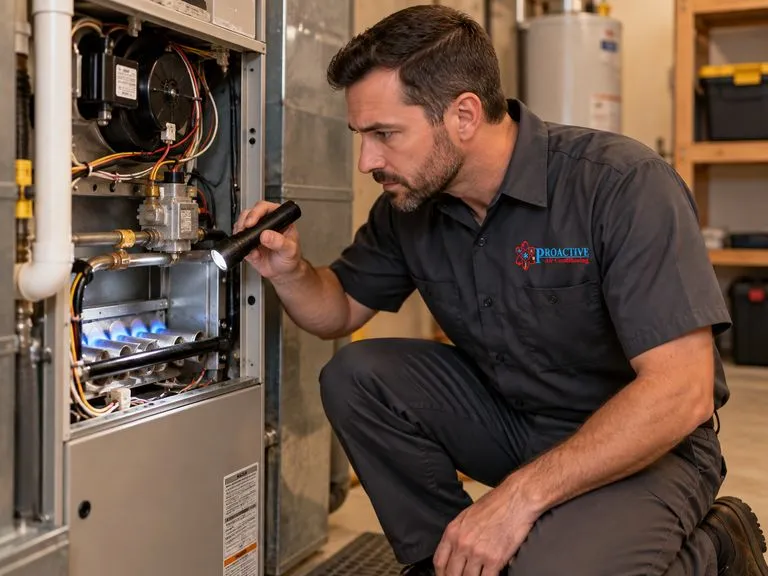
The importance of regular HVAC inspections lies in their ability to enhance system efficiency, extend equipment lifespan, and prevent costly breakdowns. Regular checks ensure optimal performance and maintain indoor air quality, ultimately providing comfort and peace of mind.
How to choose an HVAC contractor?
Choosing an HVAC contractor involves evaluating their experience, checking for proper licensing and insurance, reading customer reviews, and ensuring they provide detailed estimates and warranties. This ensures you receive reliable and quality service for your HVAC needs.
What are the latest HVAC technologies?
The latest HVAC technologies include smart thermostats, variable refrigerant flow systems, and energy-efficient heat pumps, all designed to enhance comfort, improve energy efficiency, and provide greater control over indoor climates.
How to enhance heating and cooling efficiency?
Enhancing heating and cooling efficiency involves regular maintenance, sealing air leaks, and using programmable thermostats. Additionally, ensuring proper insulation and upgrading to energy-efficient systems can significantly improve overall performance and reduce energy costs.
What are the best HVAC brands available?
The best HVAC brands available include Trane, Carrier, Lennox, Goodman, and Rheem. These brands are known for their reliability, energy efficiency, and innovative technology, making them top choices for heating and cooling solutions.
How to identify ductwork issues in HVAC?
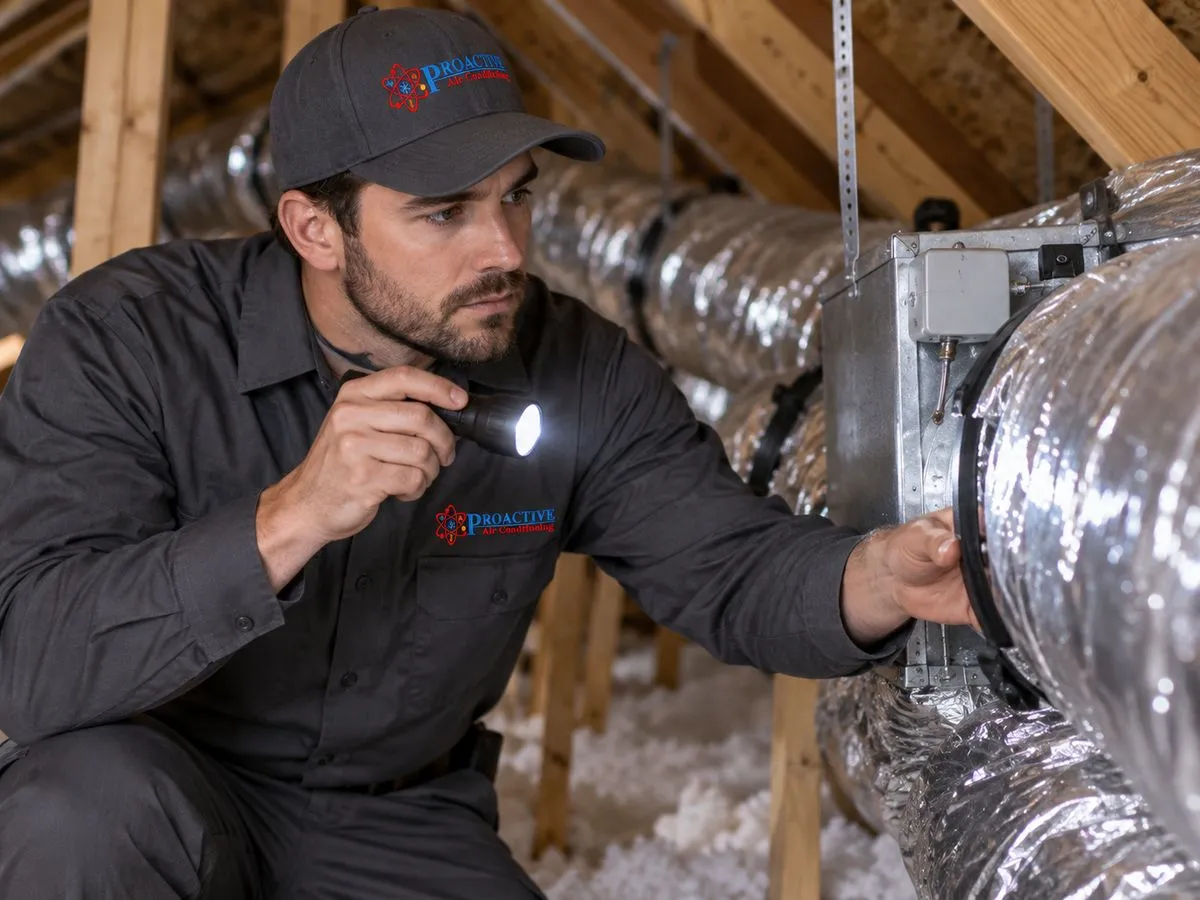
Identifying ductwork issues in HVAC involves checking for visible damage, listening for unusual noises, and monitoring air flow. Additionally, inspect for leaks or gaps and ensure that the system maintains consistent temperatures throughout your space.
What is the role of ventilation in HVAC?
The role of ventilation in HVAC is to ensure proper air circulation, maintain indoor air quality, and regulate temperature by exchanging stale indoor air with fresh outdoor air, thus enhancing comfort and health in living spaces.
How to reduce HVAC noise levels?
Reducing HVAC noise levels involves several strategies. You can insulate ductwork, use sound-absorbing materials, ensure proper installation, and schedule regular maintenance to keep the system running smoothly and quietly.
What are the environmental impacts of HVAC systems?
The environmental impacts of HVAC systems include energy consumption, which contributes to greenhouse gas emissions, and the potential release of refrigerants that can harm the ozone layer. Efficient systems and responsible practices can mitigate these effects.
How to select the right thermostat?
Selecting the right thermostat involves considering compatibility with your HVAC system, desired features such as programmable settings, and energy efficiency ratings. Evaluate your lifestyle needs to choose the best option for optimal comfort and savings.
What are the benefits of programmable thermostats?
The benefits of programmable thermostats include enhanced energy efficiency, cost savings on utility bills, and increased comfort by allowing users to set specific heating and cooling schedules tailored to their lifestyle.