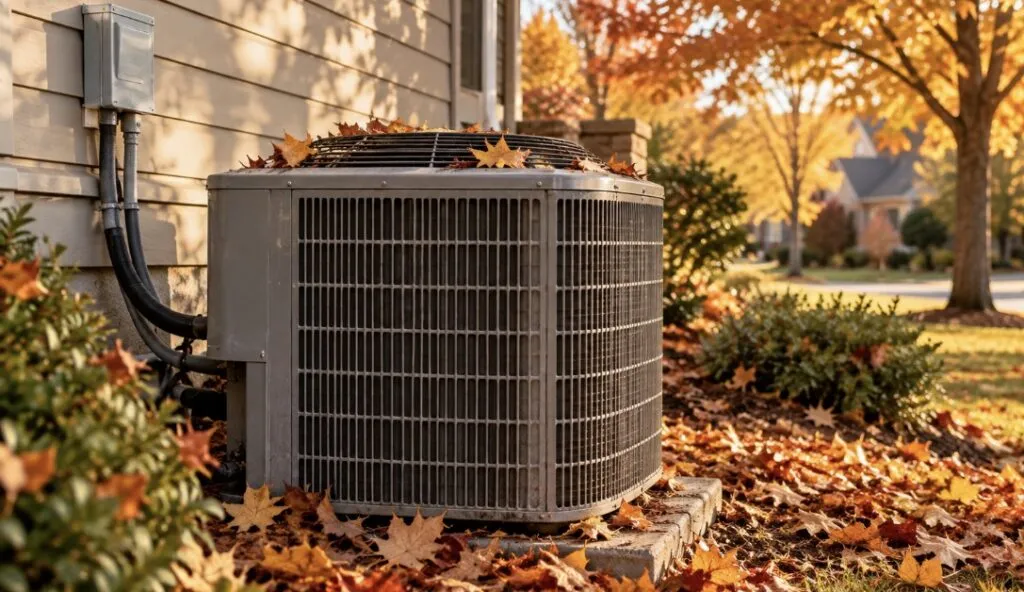
Dallas does not switch from cooling to heating overnight. September can still bring hot afternoons that keep your AC running, while shorter mornings and changing temperatures mean your furnace or heat pump will soon take on a larger role. That overlap makes early fall a useful point to check both sides of the HVAC system, especially after months of continuous AC operation.
But should every Dallas homeowner schedule maintenance before fall, or can you wait until the heating system is needed? The answer depends on how your system performed during summer, its age, and whether you noticed changes in airflow, cycling, noises, or comfort. Keep reading to find out what should be checked before fall, which warning signs should not be ignored, and when scheduling maintenance now makes more sense than waiting for the first cold snap.
Is Early Fall the Right Time for HVAC Maintenance in Dallas?
Early fall is a good time to maintain your HVAC system because Dallas weather creates an overlap between cooling and heating needs. Dallas afternoon temperatures can remain around 90 degrees in September before gradually becoming more comfortable in October, meaning your AC may still be under significant load while you are preparing for cooler weather.
That makes early fall different from waiting until the furnace is needed every day. The technician can evaluate how the air conditioner performed through summer and test the heating system before you depend on it. If a component needs to be replaced, there is also more time to address it before the first major cold front.
The right timing can vary depending on the condition and age of your equipment. A system that struggled with uneven cooling, unusual noises, frequent cycling, or rising energy use during summer deserves attention sooner rather than waiting for fall.
What Should an End-of-Summer HVAC Check Cover?

A proper fall maintenance appointment should involve more than looking at the equipment and changing a filter. The technician should measure system performance, inspect key components, and identify problems that could affect reliability during the next season.
Here are some of the areas a thorough Dallas HVAC inspection should cover:
Electrical Components and the Blower Motor
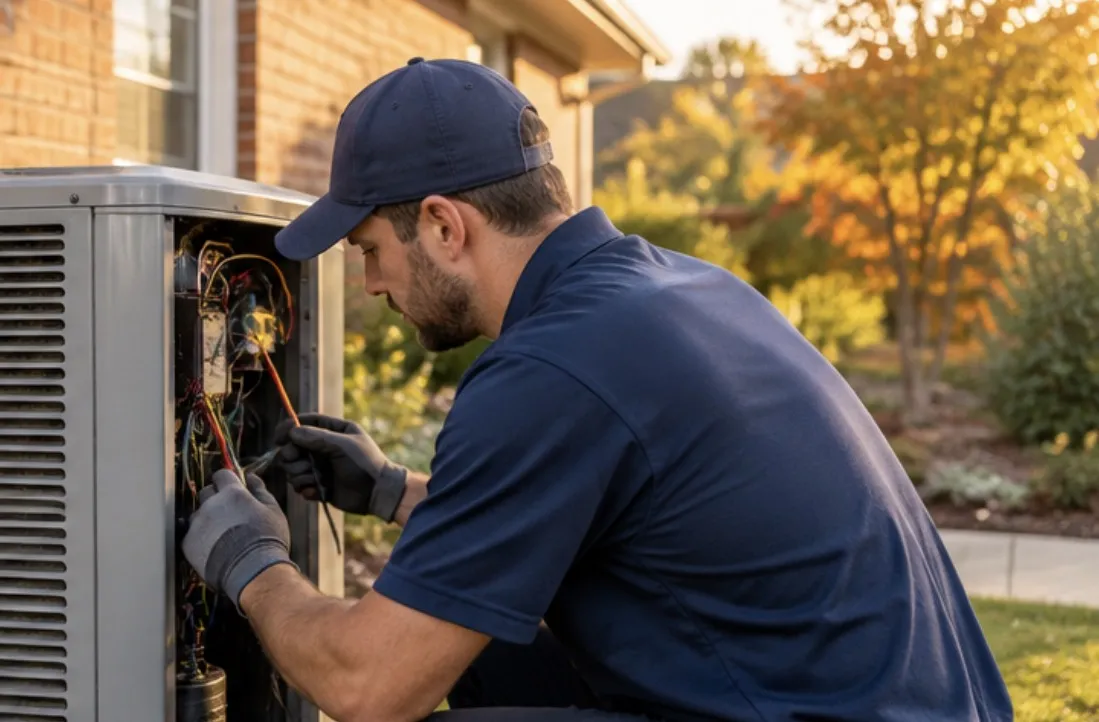
The technician should inspect electrical connections, the capacitor, contactor, and motor operation. Capacitors and other electrical components can experience significant stress during a long Dallas cooling season, and a component that is already showing signs of wear may fail when the system is under load.
The blower motor and wheel should also be checked for proper operation and abnormal current draw. If the motor is working harder than it should, the cause may involve a mechanical problem, restricted airflow, or another issue that needs to be diagnosed before it becomes a larger repair.
Coils, Refrigerant, and Cooling Performance
The evaporator and condenser coils should be inspected for dirt, debris, and damaged fins that can interfere with heat transfer. A dirty coil can make the system work harder and increase run time, particularly during hot weather.
Refrigerant performance should be evaluated using appropriate measurements rather than assuming the system needs refrigerant. One useful performance measurement is the temperature split between return and supply air. A typical cooling system may show a difference of roughly 16 to 22 degrees Fahrenheit, although the correct reading depends on system conditions and manufacturer specifications.
Condensate Drainage and Airflow
Dallas humidity gives your air conditioner plenty of moisture to remove from indoor air. That moisture collects at the evaporator coil and drains through the condensate system, where algae and debris can eventually create a blockage.
During maintenance, the condensate drain and drain pan should be inspected and cleared as needed. The air filter should also be checked because a heavily restricted filter can reduce airflow, increase system strain, and contribute to evaporator coil freezing.
Thermostat and Outdoor Condenser
The thermostat should be checked to make sure it is reading and controlling the home’s temperature correctly. The technician can also verify that the system responds properly when switching between operating modes.
Outside, the condenser should be inspected for leaves, grass clippings, dirt, and other debris. Bent condenser fins can restrict airflow across the coil, while inadequate clearance around the outdoor unit can make it harder for the system to reject heat efficiently.
Should You Check the Heating System Before It Gets Cold?
Yes. Even if you are still running your AC during the afternoon, early fall is a useful time to test the heating system.
A furnace can sit unused for several months, and problems may not become obvious until the system is asked to start. An ignition component, flame sensor, blower motor, limit switch, or other safety control can develop a problem during the period when the furnace is sitting idle.
A proper heating inspection should include:
- Ignition sequence and operation
- Burner condition and cleanliness
- Flame sensor operation
- Blower motor and wheel
- Air filter and system airflow
- Control board operation
- Limit and safety switches
- Gas valve response
- Heat exchanger inspection
Testing these components before heating season gives you an opportunity to address problems while the system is not yet essential for keeping the home comfortable.
What Changes If You Have a Heat Pump Instead of a Furnace?
Not every Dallas home uses a traditional furnace for heating. Heat pumps are also used in newer homes and HVAC replacements, and their heating operation requires a different maintenance approach.
A heat pump uses the outdoor unit during both cooling and heating. In winter, the system reverses the refrigeration cycle and moves available heat from outside into the home rather than generating heat through combustion.
A fall inspection should verify:
- Heating and cooling changeover
- Reversing valve operation
- Defrost cycle
- Refrigerant performance
- Auxiliary or emergency heat
- Indoor and outdoor airflow
- Thermostat staging
Because the same equipment handles both seasons, problems with the outdoor unit, refrigerant circuit, reversing valve, or controls can affect both heating and cooling performance. Booking heat pump maintenance before the changeover catches those issues while the system is still only being asked to cool.
Maintenance or Repair? How Can You Tell?
Maintenance is designed to inspect, clean, test, and adjust an HVAC system before problems become more serious. It is different from diagnosing a component that has already failed.
Some warning signs indicate that you should discuss a repair rather than treating the visit as routine maintenance.
| What You Notice | What It May Indicate |
|---|---|
| Weak airflow after replacing the filter | Duct, blower, or coil restriction |
| AC runs but produces warm air | Refrigerant, airflow, or compressor-related problem |
| Water around the indoor unit | Clogged condensate drain or drainage problem |
| Furnace starts and then shuts down | Flame sensor, ignition, or safety-control issue |
| Loud grinding from the blower | Possible motor or bearing problem |
| Frequent short cycling | Airflow, thermostat, sizing, or equipment issue |
| Unusual electrical or burning smell | Electrical or component problem requiring inspection |
Homeowners can safely handle simple tasks such as replacing the filter and keeping debris away from the outdoor condenser. Refrigerant, gas connections, electrical components, and internal furnace repairs should be handled by a qualified HVAC professional.
If your system has already developed a noticeable problem, booking air conditioning repair or heating system repair instead of waiting for a routine maintenance visit can stop a small issue from turning into a larger failure.
How Often Should Dallas HVAC Systems Be Serviced?
Many HVAC systems benefit from maintenance twice a year, with one visit before the cooling season and another before the heating season. A roughly six-month interval gives the technician an opportunity to identify seasonal wear before the equipment faces its next period of heavy use.
For Dallas homeowners, spring and early fall are practical maintenance windows because they sit between the periods of highest demand. Spring is the moment for air conditioning maintenance, and fall is the moment for furnace maintenance, though the right schedule still depends on equipment age, usage, and whether the system gave you trouble last season.
If you would rather not track it yourself, the Comfort Plan covers two seasonal tune-ups a year at $15 a month, with priority scheduling and 10% off repairs.
An older system or one that required multiple repairs during summer may deserve a more detailed inspection before heating season begins.
Can You Do Anything Yourself Before Scheduling Maintenance?
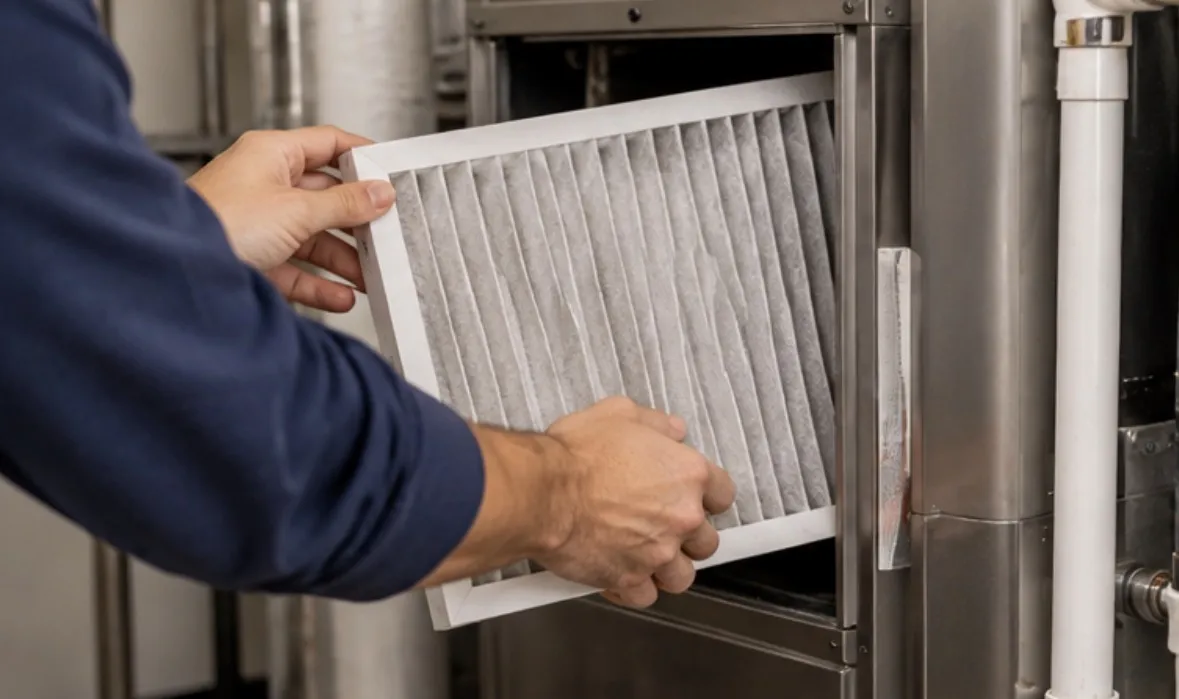
Yes, but the most useful homeowner checks are about observing how the HVAC system is behaving, not trying to service the equipment yourself. Before scheduling fall maintenance in Dallas, take a few minutes to see whether the system showed any changes during the summer that your technician should know about.
- Replace the filter if it is visibly loaded with dust. A restricted filter reduces airflow and makes the system work harder. If yours clogs faster than expected, air filter service is worth asking about.
- Check the outdoor condenser after summer storms and yard work. Remove leaves and loose debris, while keeping clearance around the unit.
- Run the thermostat through cooling and heating settings. Confirm the display responds correctly without attempting internal thermostat repairs.
- Walk through the house and compare airflow room to room. A noticeably weak register can help identify an airflow concern.
- Look around the indoor unit for unexplained water. Moisture near the equipment or drain area should be mentioned during service.
- Write down unusual noises, odors, or cycling patterns. Note when they occur and whether the system is starting, cooling, or shutting down.
These observations give the technician useful information before the maintenance visit. Do not open electrical panels, handle refrigerant, adjust gas components, or attempt furnace repairs yourself. Those areas require appropriate tools, measurements, and training, especially when preparing the heating system for fall.
Frequently Asked Questions
Is September a good time to schedule HVAC maintenance in Dallas?
Yes. September is a practical time to schedule maintenance because Dallas can still experience hot afternoons while cooler weather is approaching. Servicing the system before heating season gives a technician time to identify worn components or heating problems before you rely on the system regularly.
Should HVAC maintenance include both the AC and furnace?
If you have a traditional central HVAC system, a fall maintenance visit should evaluate both sides of the system. The AC can be checked after a long summer of use, while the furnace can be tested before the first cold weather arrives. Checking both helps identify problems that could otherwise remain hidden until the system is needed.
How often should I schedule HVAC maintenance in Dallas?
Most HVAC systems benefit from maintenance about twice a year, typically once before cooling season and once before heating season. For Dallas homeowners, spring and early fall are practical times to schedule these visits. Older equipment or systems that experienced problems during summer may require more attention.
Can HVAC maintenance prevent a furnace from breaking down in winter?
Maintenance cannot guarantee that a furnace will never fail, but it can identify worn or malfunctioning components before they cause a larger problem. Testing the ignition system, blower, safety controls, flame sensor, and other components before heating season gives you an opportunity to address issues while the system is not yet under heavy demand.
Is HVAC maintenance necessary if my system is working normally?
A system can appear to work normally while developing problems that are not obvious from the thermostat. Maintenance allows a technician to inspect components, measure performance, check airflow, and identify wear before it develops into a more noticeable failure. This is especially useful before a seasonal change when the equipment will soon face a different type of demand.
Why Choose Proactive Air Conditioning for HVAC Maintenance in Dallas?

Scheduling HVAC maintenance before fall gives Dallas homeowners time to find problems before heating season puts the system under new demands. Proactive Air Conditioning provides heating maintenance for Dallas homes, covering both traditional furnaces and heat pumps.
With 15+ years of experience working with furnace and heat pump systems in Dallas, our NATE-certified technicians evaluate the components that matter for the season ahead rather than running the same checklist on every system.
This is also where the service-versus-sales difference shows up. A maintenance visit should end with a clear picture of what your system needs, not a quote for equipment you did not ask about. If something is worn, we show you and explain what happens if it waits.
If your AC struggled during the summer or you noticed unusual sounds, weak airflow, water around the indoor unit, or inconsistent temperatures, the fall visit is also an opportunity to determine whether you need HVAC repair before winter.
Whether you need seasonal maintenance, a heating-system inspection, or help diagnosing a developing problem, we will evaluate the system and explain what needs attention before the next Dallas cold snap.
Book your fall visit before the first cold front books it for you. Call (469) 921-1136 and we will check both sides of the system while there is still time to fix what we find.