Frequently Asked Questions
What are the signs of inefficient HVAC systems in Dallas?
The signs of inefficient HVAC systems in Dallas include inconsistent temperatures, increased energy bills, unusual noises, frequent cycling, and poor air quality. Recognizing these symptoms can help homeowners address issues promptly and maintain optimal comfort.
What is the cost of HVAC system optimization in Dallas, TX?
The cost of HVAC system optimization in Dallas, TX, typically ranges from $150 to $500, depending on the complexity of the system and the specific services required. It's best to consult with a local professional for an accurate estimate.
What is the importance of HVAC system optimization in Dallas, TX?
The importance of HVAC system optimization in Dallas, TX, lies in its ability to enhance energy efficiency, reduce utility costs, and improve indoor air quality, ensuring reliable comfort during extreme weather conditions typical of the region.
What are the benefits of scheduling HVAC maintenance in Dallas?
The benefits of scheduling HVAC maintenance in Dallas include improved energy efficiency, extended system lifespan, and enhanced indoor air quality. Regular maintenance helps prevent costly repairs and ensures your heating and cooling systems operate reliably throughout the year.
What tools do I need for DIY HVAC maintenance in Dallas?
The tools needed for DIY HVAC maintenance in Dallas include a screwdriver set, multimeter, refrigerant gauge, vacuum cleaner, and a coil cleaning brush. These essentials will help you perform routine checks and minor repairs effectively.
Can HVAC system optimization reduce energy bills in Dallas?
HVAC system optimization can significantly reduce energy bills in Dallas. By enhancing system efficiency and ensuring proper maintenance, homeowners can lower energy consumption and enjoy cost savings on their monthly utility expenses.
What are the benefits of regular HVAC maintenance in Dallas?
The benefits of regular HVAC maintenance in Dallas include improved energy efficiency, extended system lifespan, enhanced indoor air quality, and reduced repair costs. Consistent upkeep ensures your heating and cooling systems operate effectively, providing comfort year-round.
Why is regular heating maintenance important in Dallas?
Regular heating maintenance is important in Dallas because it ensures optimal system performance, extends equipment lifespan, and enhances energy efficiency, ultimately helping homeowners avoid costly repairs and keep their homes comfortable during the colder months.
How does HVAC system optimization affect energy consumption?
HVAC system optimization significantly reduces energy consumption by improving efficiency and ensuring the system operates at peak performance. This leads to lower utility bills and a reduced environmental impact while maintaining comfortable indoor temperatures.
Who provides HVAC system optimization services in Dallas, TX?
HVAC system optimization services in Dallas, TX, are provided by Proactive Air Conditioning, a trusted company specializing in heating and cooling solutions tailored to enhance system efficiency and performance for homeowners.
How does HVAC system optimization improve indoor air quality?
HVAC system optimization improves indoor air quality by ensuring efficient airflow, reducing dust and allergens, and maintaining optimal humidity levels. This leads to cleaner, healthier air for occupants, enhancing overall comfort and well-being.
What DIY maintenance can I do for my HVAC system?
DIY maintenance for your HVAC system includes regularly changing or cleaning air filters, checking and clearing vents, and inspecting ducts for any leaks. These simple tasks help improve efficiency and prolong the lifespan of your system.
What are common HVAC issues in Dallas?
Common HVAC issues in Dallas include inadequate cooling or heating, frequent cycling, poor airflow, and refrigerant leaks. These problems often arise due to the region's extreme temperatures and humidity, impacting system efficiency and comfort.
How can I identify HVAC inefficiencies?
Identifying HVAC inefficiencies involves observing signs such as inconsistent temperatures, high energy bills, unusual noises, and poor airflow. Regular maintenance checks and professional evaluations can also help pinpoint areas needing improvement.
What factors influence HVAC optimization costs?
The factors that influence HVAC optimization costs include the size and complexity of the system, the age of the equipment, required upgrades, energy efficiency improvements, and labor costs associated with installation or maintenance.
How often should I schedule HVAC maintenance?
Scheduling HVAC maintenance should be done at least once a year. Regular maintenance ensures optimal performance, enhances energy efficiency, and extends the lifespan of your system, helping you avoid costly repairs in the long run.
What tools are essential for HVAC maintenance?
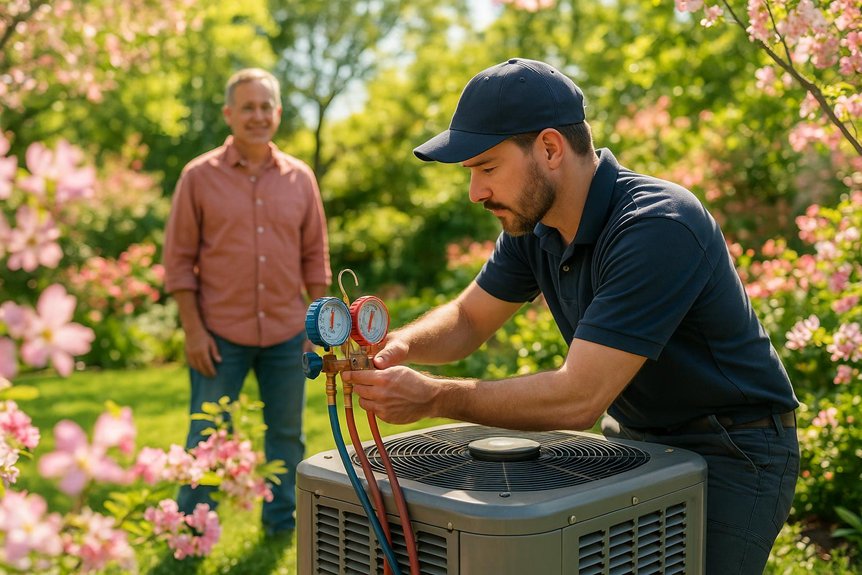
The essential tools for HVAC maintenance include a multimeter for electrical diagnostics, a refrigerant gauge set for monitoring pressure, a screwdriver set for various adjustments, and a vacuum pump for system evacuation.
Can I perform HVAC maintenance without professional help?
Performing HVAC maintenance without professional help is possible for some basic tasks. Homeowners can handle tasks like changing filters and cleaning vents, but for more complex issues, it's advisable to consult a professional to ensure safety and efficiency.
How does HVAC optimization impact home comfort?
HVAC optimization significantly enhances home comfort by ensuring efficient temperature control and improved air quality. This leads to consistent indoor temperatures, reduced energy costs, and a healthier living environment, ultimately creating a more enjoyable home atmosphere.
What are signs of a well-maintained HVAC system?
The signs of a well-maintained HVAC system include consistent airflow, minimal noise, efficient energy usage, and regular filter changes. Additionally, a maintained system should have no unusual odors and its components should show no signs of wear or damage.
How can I improve HVAC energy efficiency?
Improving HVAC energy efficiency involves regular maintenance, sealing duct leaks, using programmable thermostats, and ensuring proper insulation. These practices help reduce energy consumption and enhance system performance, ultimately leading to lower utility bills.
What are the risks of neglecting HVAC maintenance?
The risks of neglecting HVAC maintenance include decreased efficiency, higher energy bills, and potential system breakdowns. Regular maintenance helps prevent costly repairs and ensures a comfortable indoor environment for your home.
How does weather affect HVAC performance in Dallas?
Weather significantly impacts HVAC performance in Dallas, as extreme heat or cold can strain systems, leading to reduced efficiency and increased energy costs. Regular maintenance is essential to ensure optimal operation during varying weather conditions.
What are the best practices for HVAC upkeep?
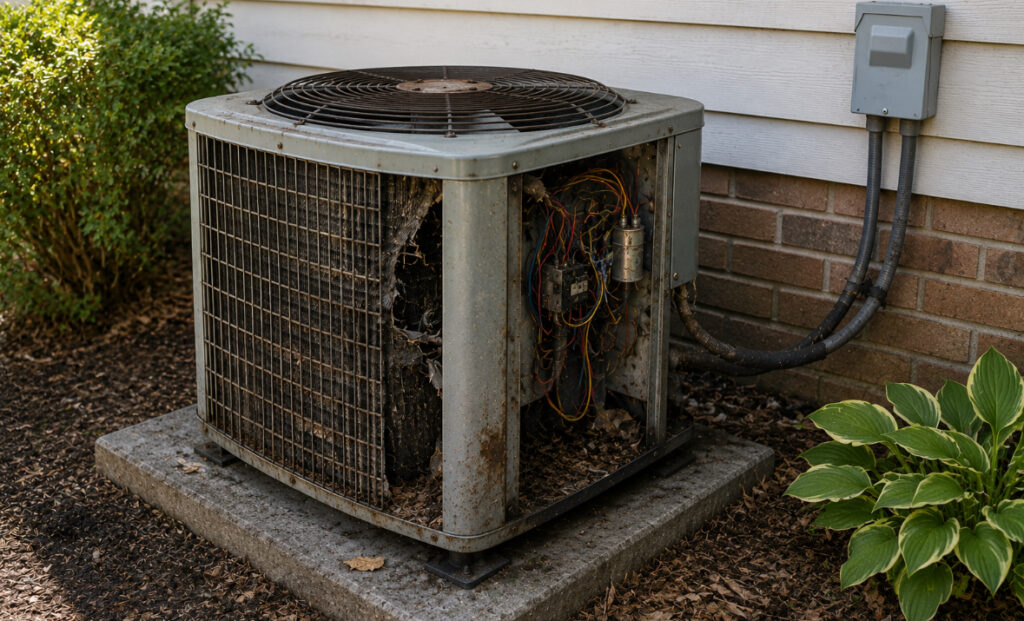
The best practices for HVAC upkeep include regularly changing air filters, scheduling annual professional maintenance, keeping outdoor units clear of debris, and checking thermostat settings to ensure optimal efficiency and comfort in your home.
How can I extend my HVAC systems lifespan?
To extend your HVAC system's lifespan, regular maintenance is essential. This includes changing filters, scheduling professional inspections, and ensuring proper airflow to keep your system running efficiently and prevent costly repairs.
What should I check during HVAC inspections?
During HVAC inspections, you should check the air filters, thermostat functionality, ductwork for leaks, refrigerant levels, and overall system cleanliness to ensure optimal performance and efficiency. Regular checks can prevent costly repairs and maintain comfort in your home.
How do I choose an HVAC service provider?
Choosing an HVAC service provider involves researching their experience, checking for proper licensing and insurance, reading customer reviews, and comparing quotes to ensure you receive quality service at a fair price.
What are the latest trends in HVAC technology?
The latest trends in HVAC technology include the integration of smart thermostats, energy-efficient systems, and advanced air purification solutions, all aimed at enhancing comfort, reducing energy consumption, and improving indoor air quality for homeowners.
How can I troubleshoot common HVAC problems?
Troubleshooting common HVAC problems involves checking your thermostat settings, ensuring the air filter is clean, inspecting for blockages in vents, and verifying that the system is powered on. If issues persist, consider contacting a professional for assistance.
What is the role of insulation in HVAC efficiency?
The role of insulation in HVAC efficiency is crucial. It helps maintain indoor temperatures by reducing heat loss in winter and heat gain in summer, leading to lower energy consumption and enhanced comfort in your home.