You might be considering postponing your AC tune-up until June, but in Dallas, that timing can quickly work against you. The first serious heat surge often arrives with little warning, pushing your system into heavy operation before it’s fully prepared. Without a proper spring check-up, small issues like dirty condenser coils or refrigerant imbalances can quietly build into bigger, more expensive problems. Getting ahead of the heat now is far easier than scrambling for repairs once temperatures spike.
Why Dallas AC Systems Struggle During the First Late-May Heat Spike
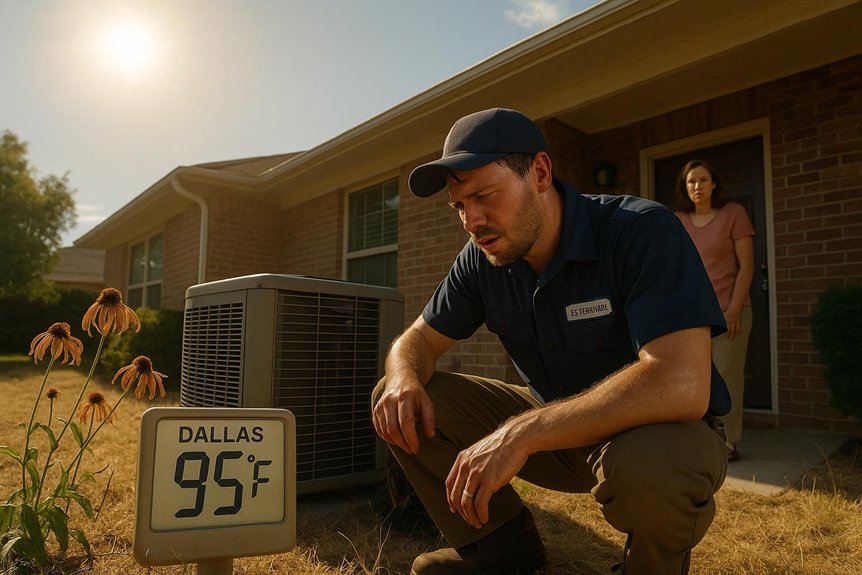
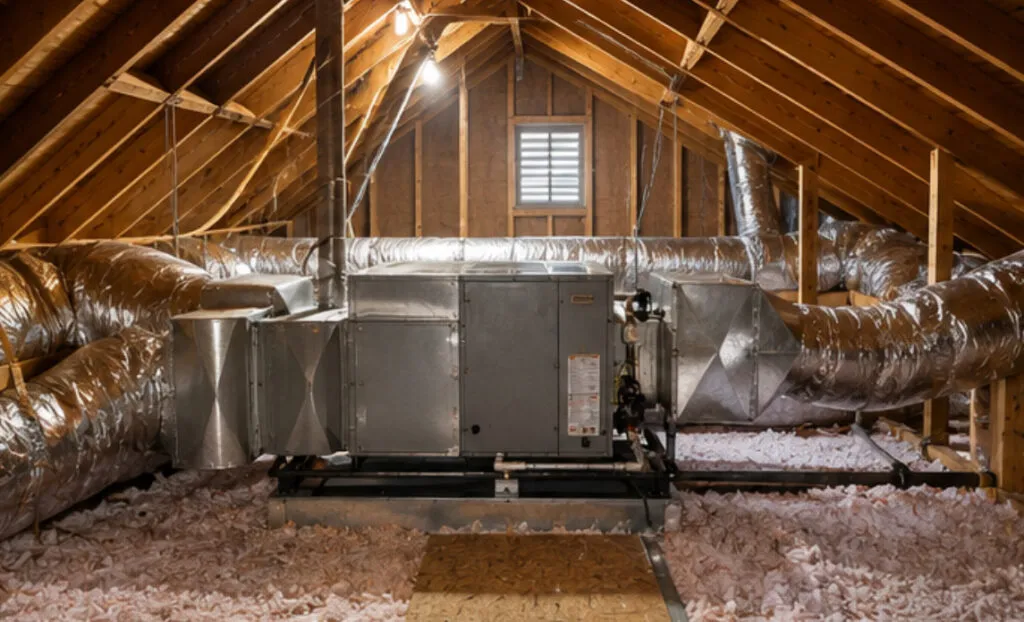
When the first sustained late-May heat spike hits Dallas, many AC systems are caught unprepared. After operating lightly through spring, your system suddenly shifts into longer, more frequent cooling cycles. This abrupt workload increase exposes weaknesses that built up during the off-season. Attic-installed air handlers, common in Dallas homes, are especially vulnerable when rising temperatures combine with increasing humidity levels.
- Extended Run Cycles — Your AC runs longer in the afternoon but struggles to satisfy the thermostat.
- Slow Temperature Drop — Indoor temperatures decrease gradually despite continuous system operation.
- Warmer Upper Floor — Second-story rooms heat up faster as cooling demand increases.
- Rising Indoor Humidity — The system runs but moisture removal feels less effective.
- Earlier Daily Startups — Your AC begins cycling sooner each day as outdoor temperatures climb.
As cooling demand rises across the Oncor Electric Delivery service area, systems already under strain must work even harder. This makes early preparation critical. One of the most common contributors to this early struggle is a restricted outdoor unit, which brings us to the next issue.
How Dirty Condenser Coils Increase Energy Bills Before Summer Begins
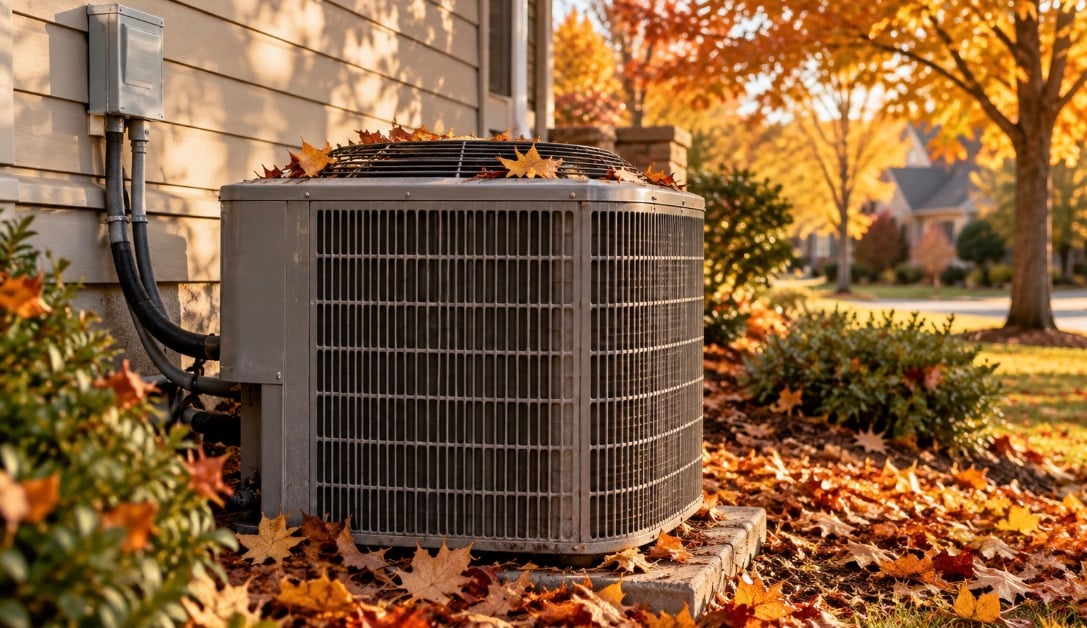
Your outdoor condenser unit plays a key role in releasing heat from your home. During Dallas spring months, pollen, dust, and debris can quickly coat the condenser coils, reducing their ability to transfer heat efficiently. When this happens, your AC system must run longer cycles to maintain indoor comfort, increasing energy usage before summer officially starts.
Dirty condenser coils commonly lead to:
- Reduced heat rejection, making it harder for the system to release indoor heat outdoors.
- Longer compressor cycles as the unit works harder to reach the set temperature.
- Increased power consumption during normal cooling operation.
- Gradual rise in monthly electricity costs before peak summer.
- Added strain on critical components, especially the compressor.
Guidance from the U.S. Department of Energy notes that restricted heat rejection is a major cause of declining cooling efficiency. Addressing coil cleanliness early helps stabilize system performance and reduces unnecessary strain before refrigerant levels and internal components face heavier seasonal demand.
Refrigerant Imbalances That Go Undetected Without Spring Maintenance

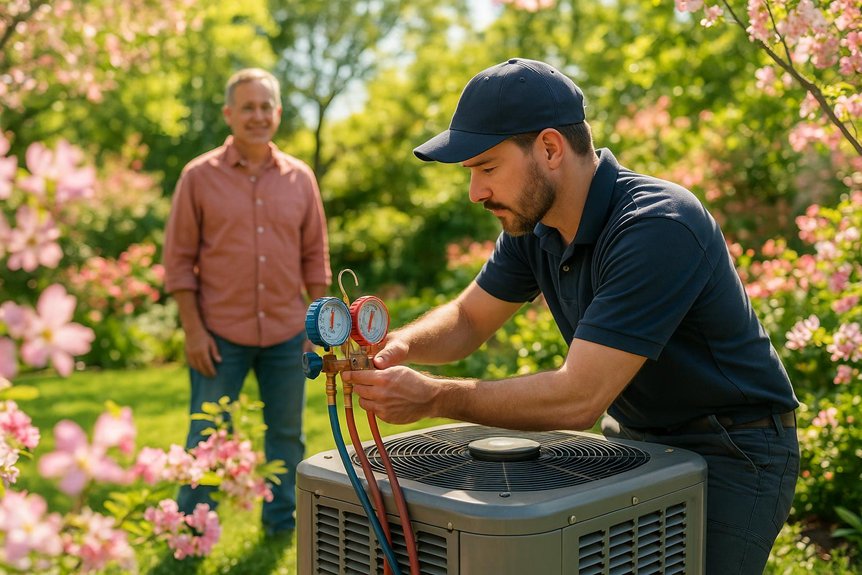
Even when airflow appears normal, hidden refrigerant imbalances can quietly reduce overall cooling performance. During mild spring weather, low refrigerant levels often go unnoticed because the system isn’t under heavy demand. Once temperatures rise, improper charge levels force the compressor to run longer and work harder. According to the Environmental Protection Agency, refrigerant must be properly handled and balanced to maintain system efficiency and safety.
Refrigerant issues often cause:
- Reduced Cooling Output — Air feels cooler than room temperature but not properly cold.
- Extended Cooling Cycles — System runs longer without reaching the thermostat setting.
- Ice Formation — Frost develops on refrigerant lines or the evaporator coil.
- Elevated Energy Usage — Power consumption increases during peak operation.
- Compressor Strain — Internal components operate under excessive pressure stress.
Identifying refrigerant concerns during spring maintenance prevents mid-season compressor damage and keeps your system stable before heavier summer load begins.
Capacitor and Electrical Wear That Fails Under Early Summer Load
Your AC’s electrical components may perform normally during light spring usage but weaken quickly once the first sustained heat wave arrives. Capacitors, contactors, and relays experience the highest stress during startup cycles. When outdoor temperatures rise rapidly, these parts must deliver stronger electrical output to keep the compressor and fan motors running efficiently.
Electrical wear often shows up as:
- Delayed Startup — The system hesitates several seconds before fully turning on and engaging cooling.
- Clicking Sounds — Repeated clicking occurs as the compressor struggles to engage properly.
- Random Shutdowns — The unit powers off unexpectedly during cooling cycles on hotter afternoons.
- Breaker Trips — The electrical breaker shuts off due to excessive startup or load demand.
- Inconsistent Cooling — Indoor temperatures fluctuate because electrical components cannot maintain steady operation.
Increased electricity demand across the Oncor Electric Delivery grid during early summer can amplify these weaknesses. Addressing electrical wear during a spring tune-up reduces the risk of sudden no-cool breakdowns when service schedules are at their busiest.
Clogged Drain Lines and Humidity Issues Common in Dallas Homes
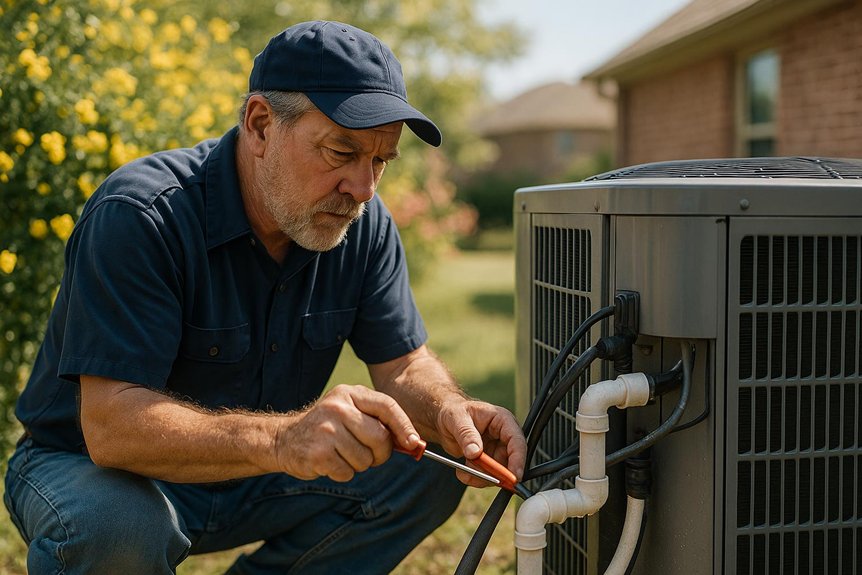
When Dallas homes face the heat of early summer, clogged drain lines can quickly become a significant problem. High humidity levels common in North Texas exacerbate this issue, leading to potential water damage and decreased air quality. If you delay addressing these drain line clogs, you’ll likely encounter increased humidity indoors, which can cause discomfort and even mold growth. Taking control of your home’s humidity is essential, and here’s why:
- Water Overflow: Clogged lines can lead to water overflowing into your home, causing damage and costly repairs.
- Mold and Mildew: Excess humidity encourages mold growth, impacting your health and indoor air quality.
- System Efficiency: Unchecked humidity can make your AC work harder, increasing energy bills.
- Air Quality: High humidity can worsen allergies by keeping pollen and dust in the air longer.
- Comfort Levels: Proper humidity control ensures a comfortable living environment during hot months.
Small moisture-related problems like these often seem manageable at first. However, once temperatures rise and systems begin running continuously, minor maintenance issues can escalate quickly. That’s when homeowners who waited find themselves competing for appointments during the busiest service weeks of the year.
Why June Service Call Volume Delays Preventable Repairs
Every year in Dallas, we see the same pattern. The first real heat surge hits, and suddenly homeowners who postponed AC maintenance are calling for urgent AC repairs. What could have been a simple spring fix — like a weak capacitor or dirty condenser coil — quickly turns into a no-cool emergency once systems begin running nonstop. By early June, appointment schedules tighten, and same-day availability becomes limited.
During peak demand, even small issues can take longer to resolve because technicians are responding to full system failures across the city. We regularly hear, “It was working fine last week,” only to find that minor wear became a breakdown under heavier load. Scheduling your spring tune-up early allows us to identify those weak points before they fail, helping you avoid delays, emergency pricing, and uncomfortable days without reliable cooling.
The Real Cost Difference Between a Tune-Up and an Emergency Repair
Many Dallas homeowners don’t think about maintenance costs until their air conditioner stops working during the first major heat surge. The difference between scheduling a spring AC tune-up and waiting for an emergency repair often comes down to timing, system stress, and availability. In North Texas, once late-May temperatures spike and demand increases across the Dallas–Fort Worth area, repair costs can rise due to urgent labor, part shortages, and after-hours service needs.
Here is how the two scenarios typically compare:
| Factor | Spring AC Tune-Up | Emergency AC Repair in June |
|---|---|---|
| Service Cost | Lower, planned maintenance fee | Higher due to urgent labor and parts |
| Energy Usage | Improved efficiency before peak demand | Increased utility bills from struggling system |
| Component Wear | Minor adjustments prevent major failures | Worn parts may require full replacement |
| Scheduling | Flexible appointment selection | Limited availability during peak service volume |
| Comfort Risk | System prepared before heat spike | Home may go without cooling during delays |
When maintenance is handled in spring, most issues are minor and affordable to fix. Once a system fails under early summer load, repairs often involve costly components like compressors or refrigerant leaks. That’s why choosing an experienced HVAC company in Dallas is essential. Work with licensed, certified technicians who perform thorough inspections and prioritize long-term system reliability over quick, temporary fixes.
Why Choose Pro Active Air Conditioning in Dallas?

At Pro Active Air Conditioning, we believe spring preparation prevents summer emergencies. With over 15 years of hands-on HVAC experience and a NATE-certified team, we focus on accurate diagnostics, not guesswork. Our detailed inspections identify hidden wear before it turns into breakdowns, helping homeowners avoid emergency pricing and peak-season delays while improving long-term system reliability.
Whether you need preventive AC maintenance before temperatures rise or fast, dependable AC repair for existing issues, we address the root cause the first time. We understand Dallas attic conditions, high humidity, and early heat spikes — and we prepare your system to handle them. Schedule early and enter summer with confidence, not uncertainty.