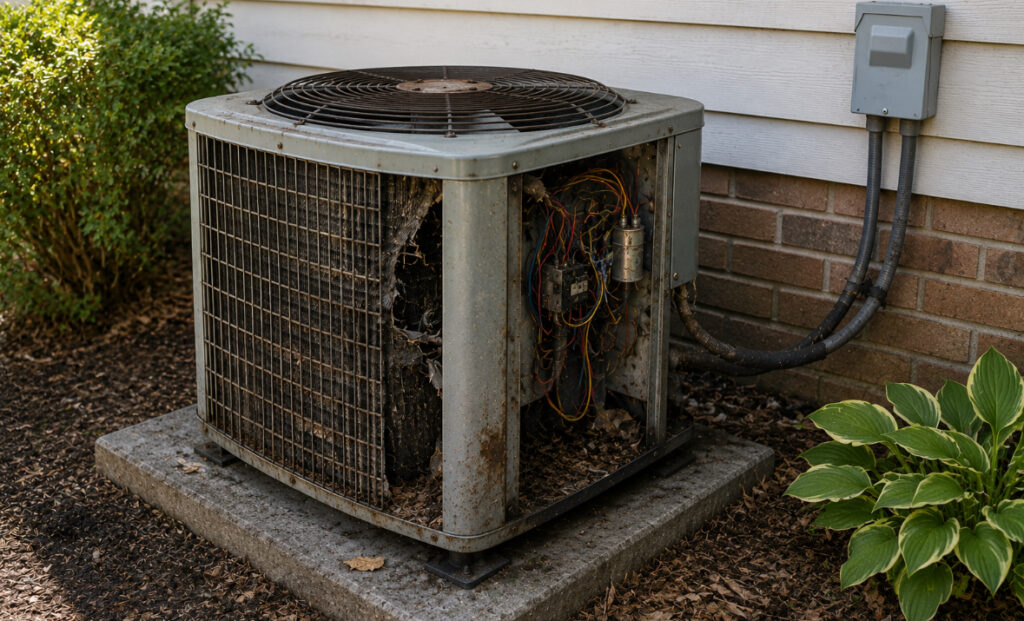
In Dallas, AC systems often run for long hours during summer as temperatures regularly climb above 95–100°F with high humidity levels across North Texas. When cooling performance starts declining, homeowners usually notice longer cooling cycles, uneven room temperatures, or weak airflow before the system completely breaks down. These early warning signs often indicate airflow restrictions, refrigerant imbalance, or component strain developing inside the system.
Many AC problems become worse during Dallas heatwaves because systems are already operating under maximum demand. Understanding what causes these issues early can help homeowners avoid expensive breakdowns and schedule professional air conditioner repair before cooling performance drops further.
Why AC Problems Show Up During Dallas Heatwaves
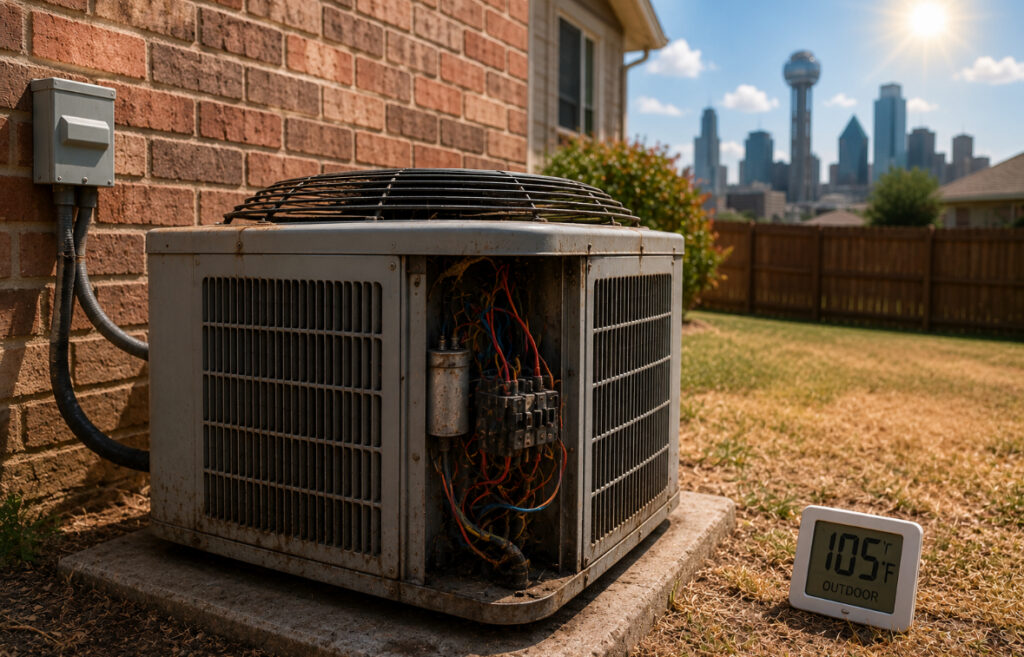
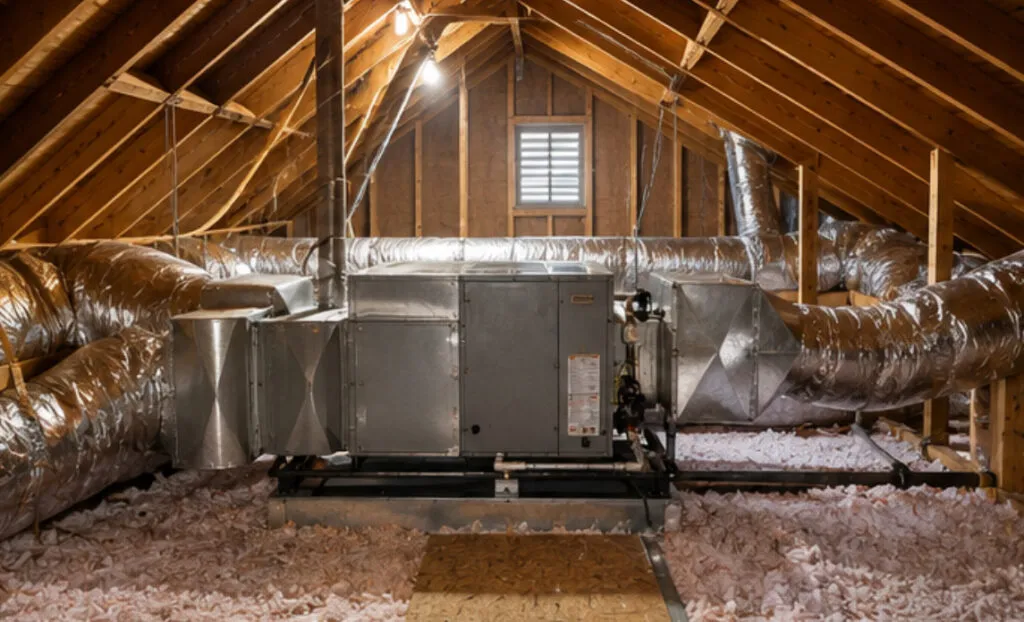
Extreme summer temperatures place continuous strain on HVAC systems throughout Dallas homes. During peak heatwaves, Air conditioning units often run for 10–14 hours daily, especially in older brick homes, attic-installed systems, and multi-story properties common across North Texas neighborhoods.
As outdoor temperatures rise above 100°F with high humidity levels, even small airflow or cooling issues become much more noticeable because the system has very little recovery time between cooling cycles.
Dallas homes also experience heavy dust buildup, intense attic heat, and long dry periods followed by humid conditions during summer months. These weather patterns reduce cooling efficiency and increase strain on compressors, blower motors, and evaporator coils.
In many service inspections, technicians commonly find clogged filters, overheated attic ductwork, and dirty coils contributing to declining AC performance during extreme heat. Scheduling seasonal air conditioning maintenance helps identify these issues before they develop into major system failures.
Early Signs Your Air Conditioner Is Losing Performance
AC systems rarely stop cooling without warning. In most Dallas homes, the system begins showing smaller performance changes first, often weeks before homeowners experience a complete loss of cooling. Recognizing these signs early helps prevent larger repairs and reduces unnecessary system strain during peak summer demand.
| Warning Sign | What It May Indicate |
|---|---|
| Warm air from vents | Refrigerant or airflow problems |
| Rising energy bills | Declining system efficiency |
| Ice buildup on refrigerant lines | Restricted airflow or low refrigerant |
| High indoor humidity | Drainage or cooling performance issues |
| Longer cooling cycles | Reduced heat transfer efficiency |
Addressing these warning signs early through professional air conditioner repair helps restore cooling performance before the system experiences more severe HVAC damage.
What Happens Inside Your System When Cooling Starts Failing
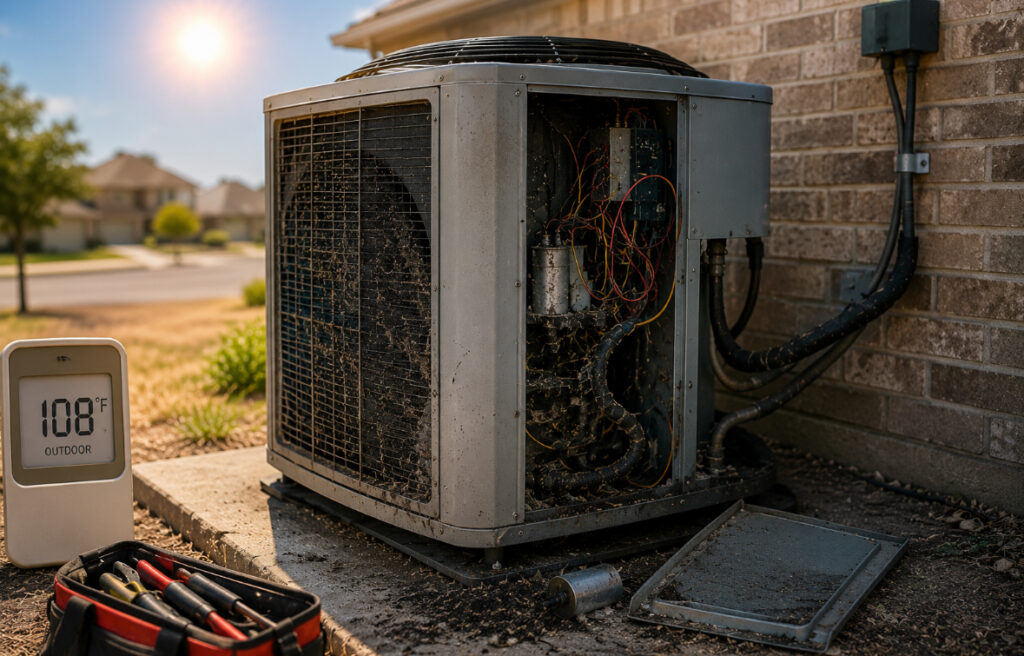
When an AC system begins struggling, several internal performance problems often occur at the same time. Airflow may weaken due to clogged filters or dirty evaporator coils, while refrigerant imbalance reduces the system’s ability to remove heat effectively. As cooling performance drops, the system compensates by running longer cycles, increasing strain on compressors and blower motors.
In many Dallas service calls, technicians also find frozen coils, overheating electrical components, or blocked condensate drains contributing to the issue. These problems often develop gradually under heavy summer demand before homeowners notice serious cooling loss. Early air conditioning service helps prevent these internal issues from escalating into expensive breakdowns.
Common Causes Behind Weak or Inefficient Cooling
Weak cooling performance is usually linked to airflow restrictions, refrigerant problems, or electrical wear inside the HVAC system. In Dallas homes, these issues often become more noticeable during periods of extended summer heat when the AC operates continuously throughout the day.
Dirty Air Filters Restricting Airflow
Clogged air filters are one of the most common reasons AC systems lose cooling performance. Restricted airflow forces the blower motor to work harder while reducing how much conditioned air reaches the home. Homeowners often notice weak airflow, uneven temperatures, or longer runtime before realizing the filter is heavily clogged.
Low Refrigerant Levels
Refrigerant imbalance reduces the system’s ability to absorb and remove heat effectively. In many cases, homeowners first notice warm air from vents or the AC struggling to maintain temperature during the hottest part of the day. If low refrigerant continues unchecked, compressor strain increases significantly.
Frozen Evaporator Coils
When airflow becomes restricted or refrigerant pressure drops too low, evaporator coils may begin freezing over. Ice buildup blocks airflow even further and reduces cooling performance across the entire system. Technicians commonly see this issue in Dallas homes where filters have not been replaced regularly during the summer.
Electrical Component Wear
Extended runtime during heatwaves places additional stress on capacitors, relays, and blower motors. As these components weaken, the AC may begin short cycling, struggling to start, or shutting down unexpectedly. Early diagnosis helps prevent more serious electrical failures during peak cooling season.
How Dallas Heat and Dust Accelerate AC Issues
Dallas heatwaves combined with North Texas dust create challenging operating conditions for HVAC systems. Continuous cooling cycles increase internal temperatures inside the equipment, while airborne dust gradually collects on filters, coils, and airflow pathways. Even a thin layer of dust buildup can reduce cooling efficiency and increase runtime during extreme heat.
| Dallas Climate Factor | Impact on HVAC Performance |
|---|---|
| High outdoor temperatures | Longer system runtime |
| Attic heat buildup | Increased operating strain |
| Dust accumulation | Restricted airflow and dirty coils |
| Long cooling cycles | Faster component wear |
| High humidity | Increased cooling demand |
These conditions often accelerate system wear and increase the likelihood of airflow problems, frozen coils, and declining cooling performance during summer months.
What You Can Check Before Calling for an AC Repair Specialist
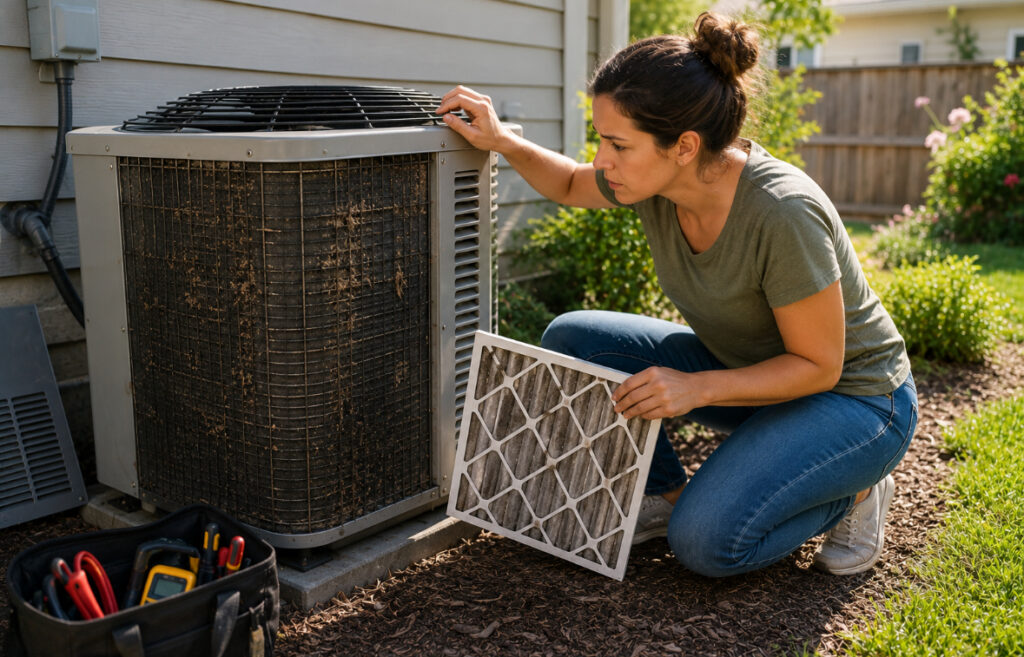
Some AC performance issues can be identified early before scheduling professional service. In many Dallas homes, restricted airflow, thermostat settings, or electrical interruptions can affect cooling performance before a major HVAC issue develops. Performing a few quick checks may help homeowners recognize whether the problem is minor or requires a trusted HVAC service provider.
Things homeowners should check first:
- Air Filters – Replace filters every 30–60 days during Dallas summer to maintain proper airflow.
- Thermostat Settings – Confirm the thermostat is set to “cool” and below current indoor temperature.
- Supply Vents – Keep vents fully open and free from furniture, rugs, or heavy dust blockage.
- Circuit Breakers – Check electrical breakers if the outdoor unit suddenly stops running completely.
- Visible Dust – Excessive dust near vents may indicate restricted airflow or overdue filter replacement.
If these basic checks do not improve cooling performance, the issue may involve refrigerant imbalance, internal airflow restrictions, or failing HVAC components. Scheduling professional air conditioner repair helps identify the root problem before it develops into a larger and more expensive system failure.
Why Choose Proactive Air Conditioning in Dallas, TX

When an AC system starts struggling during a Dallas heatwave, accurate diagnosis becomes critical to preventing larger HVAC problems. Extended runtime, attic heat, humidity, and airflow restrictions can quickly increase strain on cooling systems if the underlying issue is not corrected properly.
At Proactive Air Conditioning, our technicians focus on identifying the root causes behind weak airflow, uneven cooling, refrigerant imbalance, and system inefficiency. Through professional air conditioner repair and preventive maintenance services, we help homeowners restore reliable cooling performance and reduce the risk of expensive breakdowns during Dallas’s hottest months.