Frequently Asked Questions
How can I maintain my HVAC system effectively?
Effective maintenance of your HVAC system involves regular filter changes, annual professional inspections, and ensuring proper airflow around the unit. Additionally, sealing ducts and scheduling seasonal tune-ups can enhance efficiency and prolong system life.
What are some tips for improving energy efficiency in HVAC systems?
Tips for improving energy efficiency in HVAC systems include regular maintenance, sealing leaks in ducts, using programmable thermostats, and ensuring proper insulation. These practices help reduce energy consumption and enhance system performance.
What seasonal care guidelines should I follow for my HVAC system?
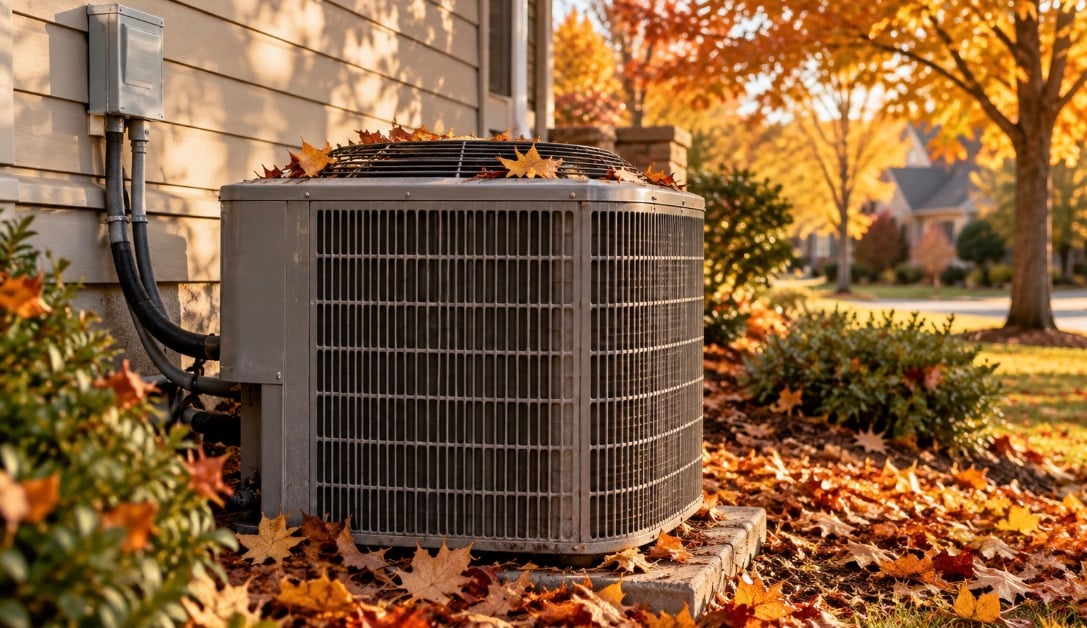
Seasonal care guidelines for your HVAC system include changing filters regularly, scheduling annual maintenance checks, and ensuring outdoor units are clear of debris. Additionally, adjust your thermostat settings according to the season for optimal efficiency.
How do I troubleshoot common HVAC issues?
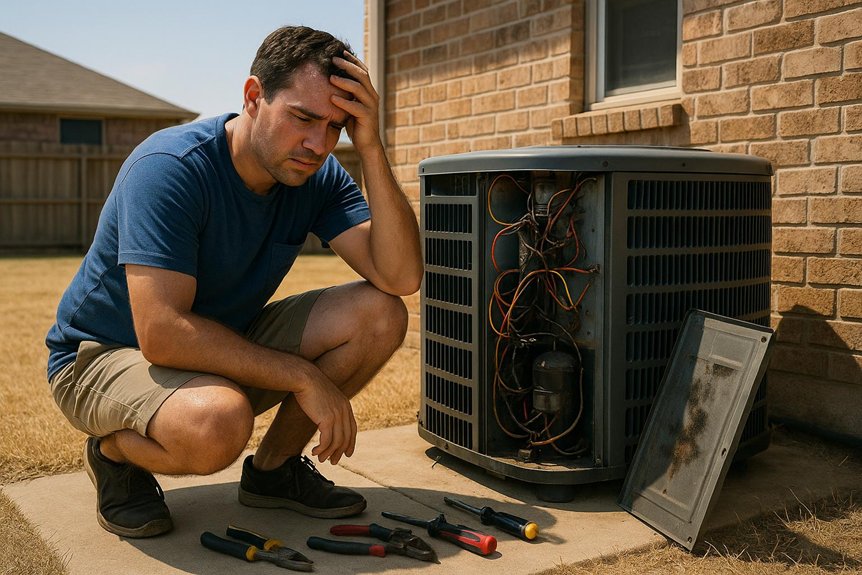
Troubleshooting common HVAC issues involves checking the thermostat settings, ensuring the system is powered on, inspecting air filters for clogs, and verifying that vents are unobstructed. Regular maintenance can help prevent many problems.
How often should I service my HVAC system?
The frequency of servicing your HVAC system is essential for optimal performance. It is recommended to have your HVAC system serviced at least once a year, ideally before the heating or cooling season begins.
What are signs of HVAC system failure?
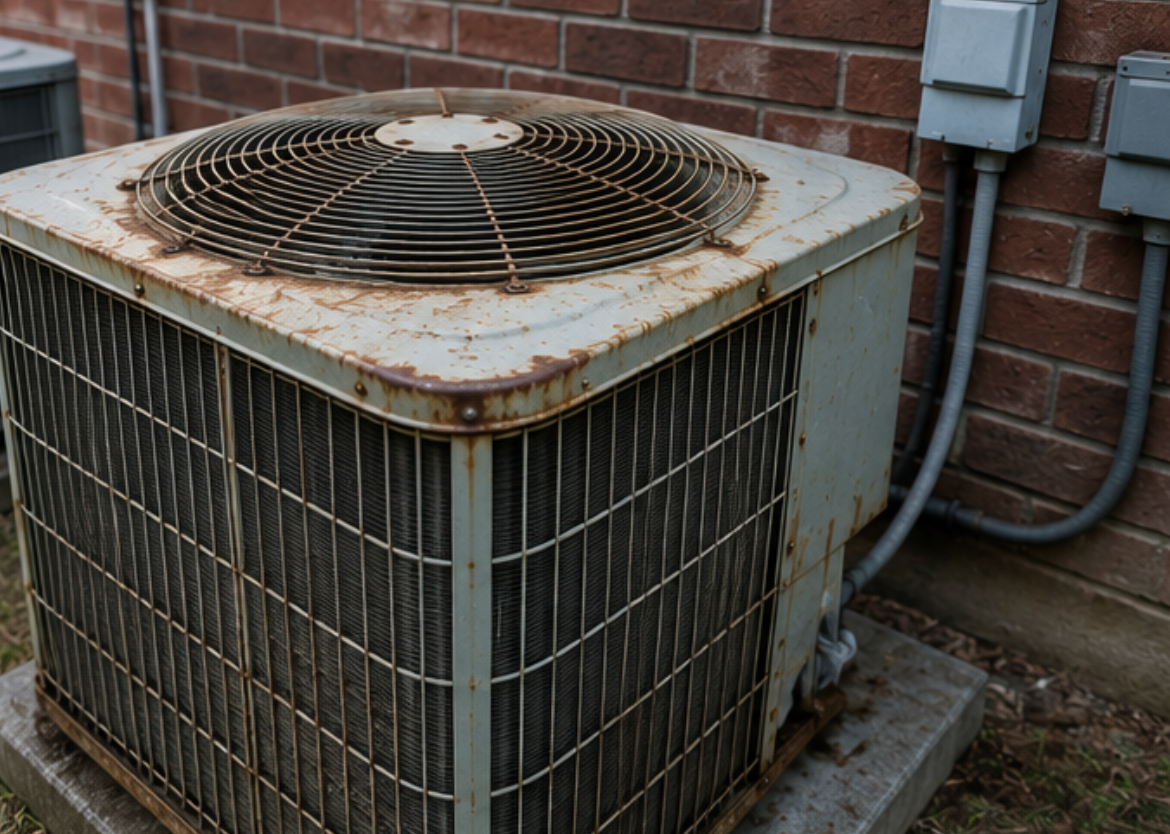
Signs of HVAC system failure include unusual noises, inconsistent temperatures, increased energy bills, and poor airflow. If you notice these issues, it may be time to schedule a professional inspection to prevent further damage.
How can I improve indoor air quality?
Improving indoor air quality involves regular HVAC maintenance, using air purifiers, ensuring proper ventilation, and minimizing pollutants from cleaning products and allergens. Additionally, maintaining humidity levels can significantly enhance the overall air quality in your home.
What filters are best for HVAC systems?
The best filters for HVAC systems are high-efficiency particulate air (HEPA) filters, which capture a significant amount of airborne particles, and pleated filters that provide better airflow and filtration compared to standard fiberglass options.
How do I choose an HVAC contractor?
Choosing an HVAC contractor involves evaluating their experience, checking for proper licensing and insurance, reading customer reviews, and obtaining multiple quotes. Prioritize contractors who offer clear communication and transparent pricing to ensure quality service.
What is the lifespan of an HVAC system?
The lifespan of an HVAC system typically ranges from 15 to 25 years, depending on factors such as maintenance, usage, and the quality of the installation. Regular upkeep can help extend its longevity.
How can I reduce HVAC maintenance costs?
Reducing HVAC maintenance costs can be achieved by scheduling regular tune-ups, changing filters frequently, and ensuring proper insulation. Additionally, addressing minor issues promptly can prevent costly repairs down the line.
What are common HVAC troubleshooting steps?
Common HVAC troubleshooting steps include checking the thermostat settings, ensuring the power supply is on, replacing dirty filters, and inspecting for blocked vents. These actions can help identify and resolve common issues with your system.
How does regular maintenance affect HVAC efficiency?
Regular maintenance significantly enhances HVAC efficiency by ensuring systems operate optimally. Routine checks and cleanings reduce energy consumption, prevent breakdowns, and extend the lifespan of equipment, ultimately leading to lower utility bills and improved indoor comfort.
What are the benefits of programmable thermostats?
The benefits of programmable thermostats include enhanced energy efficiency, cost savings on utility bills, and improved comfort by allowing users to set specific heating and cooling schedules tailored to their lifestyle.
How can I prevent HVAC system breakdowns?
Preventing HVAC system breakdowns involves regular maintenance, such as changing filters, scheduling annual inspections, and ensuring proper airflow. Additionally, addressing any unusual noises or performance issues promptly can help extend the life of your system.
What should I include in HVAC maintenance plans?
HVAC maintenance plans should include regular inspections, filter replacements, system cleaning, and performance evaluations. Additionally, scheduling seasonal tune-ups and addressing any repairs promptly will ensure optimal efficiency and longevity of your HVAC system.
How do I clean my HVAC system?
Cleaning your HVAC system involves changing the air filters regularly, vacuuming vents, and ensuring the outdoor unit is free from debris. Additionally, consider scheduling professional maintenance for a thorough cleaning and inspection.
What are the best practices for HVAC installation?
The best practices for HVAC installation include ensuring proper sizing of the system, following manufacturer guidelines, sealing ductwork effectively, and conducting thorough testing after installation to guarantee optimal performance and energy efficiency.
How can I optimize HVAC system performance?
Optimizing HVAC system performance involves regular maintenance, such as changing filters, scheduling professional inspections, and ensuring proper insulation. Additionally, utilizing programmable thermostats and sealing ductwork can enhance efficiency and reduce energy costs.
What energy-efficient upgrades can I make?
Energy-efficient upgrades you can make include installing a programmable thermostat, upgrading to ENERGY STAR-rated appliances, sealing ductwork, and adding insulation to your home. These improvements can significantly reduce energy consumption and lower utility bills.
How do I know if my HVAC is oversized?
An oversized HVAC system can be identified by symptoms such as frequent cycling on and off, uneven temperatures throughout your space, and high energy bills. If you're experiencing these issues, your system may be too large for your needs.
What are the advantages of ductless HVAC systems?
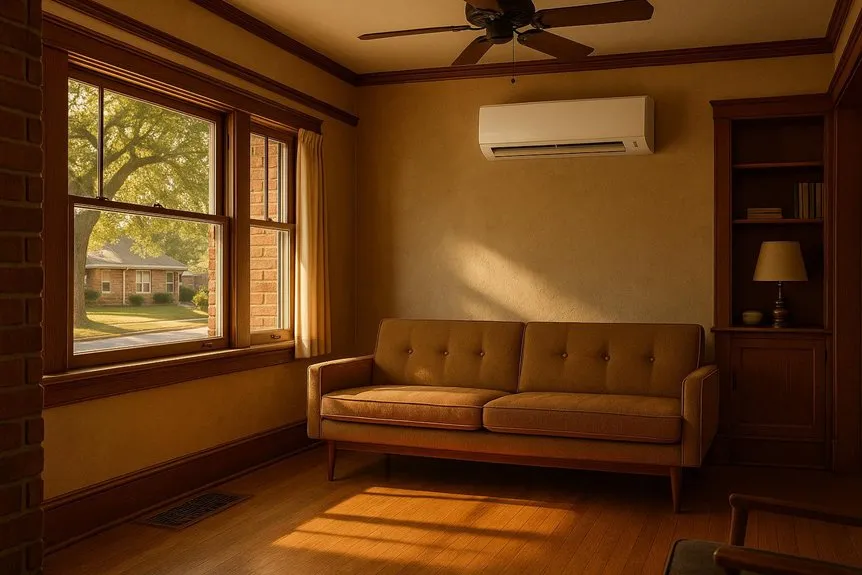
The advantages of ductless HVAC systems include improved energy efficiency, flexible installation options, and enhanced temperature control for individual rooms, making them ideal for homes and businesses seeking customized comfort without the need for ductwork.
How can I improve HVAC system airflow?
Improving HVAC system airflow involves regularly changing air filters, ensuring vents are unobstructed, and scheduling professional duct cleaning. Additionally, checking for leaks in ductwork can significantly enhance overall efficiency and airflow.
What seasonal checks should I perform on HVAC?
Seasonal checks for your HVAC system include inspecting and replacing air filters, cleaning coils, checking refrigerant levels, and ensuring proper thermostat functionality. These steps help maintain efficiency and extend the life of your system.
How do I handle HVAC refrigerant leaks?
Handling HVAC refrigerant leaks involves promptly turning off your system, contacting a licensed technician for repairs, and ensuring proper refrigerant recharge to maintain efficiency and prevent environmental harm. Regular maintenance can help prevent leaks from occurring.
What are the best HVAC brands available?
The best HVAC brands available include Trane, Carrier, Lennox, and Goodman, known for their reliability, efficiency, and innovative technology. These brands consistently receive high customer satisfaction ratings and offer a range of products to fit various needs.
How can I enhance HVAC system longevity?
Enhancing HVAC system longevity involves regular maintenance, such as changing filters, scheduling professional inspections, and ensuring proper insulation. These practices help optimize performance and prevent costly repairs, ultimately extending the life of your system.
What is the role of insulation in HVAC efficiency?
The role of insulation in HVAC efficiency is crucial, as it helps maintain consistent indoor temperatures by reducing heat transfer. This minimizes energy consumption, lowers utility bills, and enhances the overall performance of your heating and cooling systems.
How do I select the right HVAC size?
Selecting the right HVAC size involves calculating the heating and cooling load needed for your space, considering factors like square footage, insulation, and local climate. Consulting a professional can ensure optimal efficiency and comfort.
What are the costs associated with HVAC repairs?
The costs associated with HVAC repairs can vary widely based on the issue, ranging from $100 for minor fixes to over $1,000 for major repairs or replacements. Factors such as the type of system, labor, and parts also influence pricing.