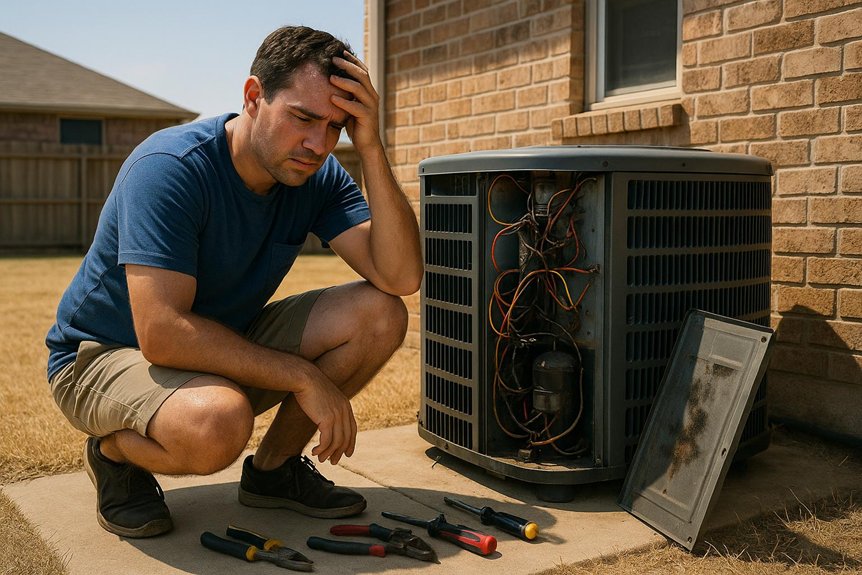
When your AC suddenly quits in the middle of a Dallas heat wave, it is easy to panic and make a decision that costs you comfort, money, or even the life of the system. Homeowners often wait too long to call for help, try a risky DIY fix, or push through warning signs the system has been giving for days. A few avoidable mistakes are what turn a manageable repair into an expensive one.
Knowing what not to do is half the battle. This guide walks through the most common mistakes during an AC emergency, what they tend to cost, and the safe steps to take instead, including when to call for emergency AC repair in Dallas before a small problem becomes a full breakdown.
Why Are AC Emergencies So Common During Dallas Heat Waves?
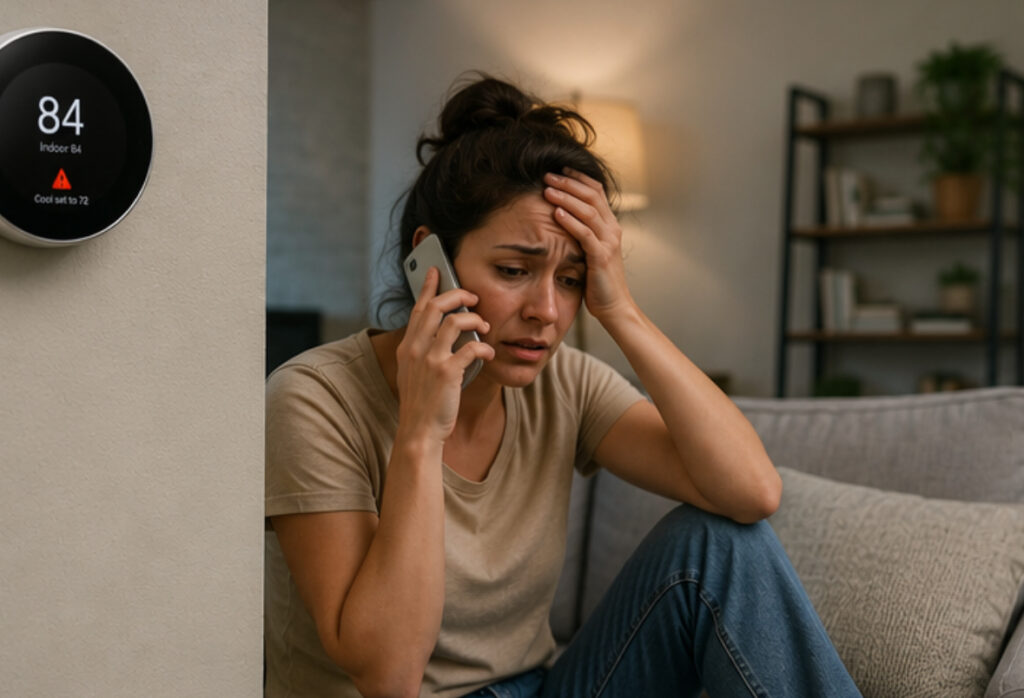
When summer heat sits over Dallas for weeks at a time, the need for emergency AC repairs stops being rare and starts becoming routine. A system running long hours in 95 to 105-degree weather pushes weak parts that seemed fine in spring to fail under constant load. Capacitors, contactors, and blower motors are especially prone to giving out.
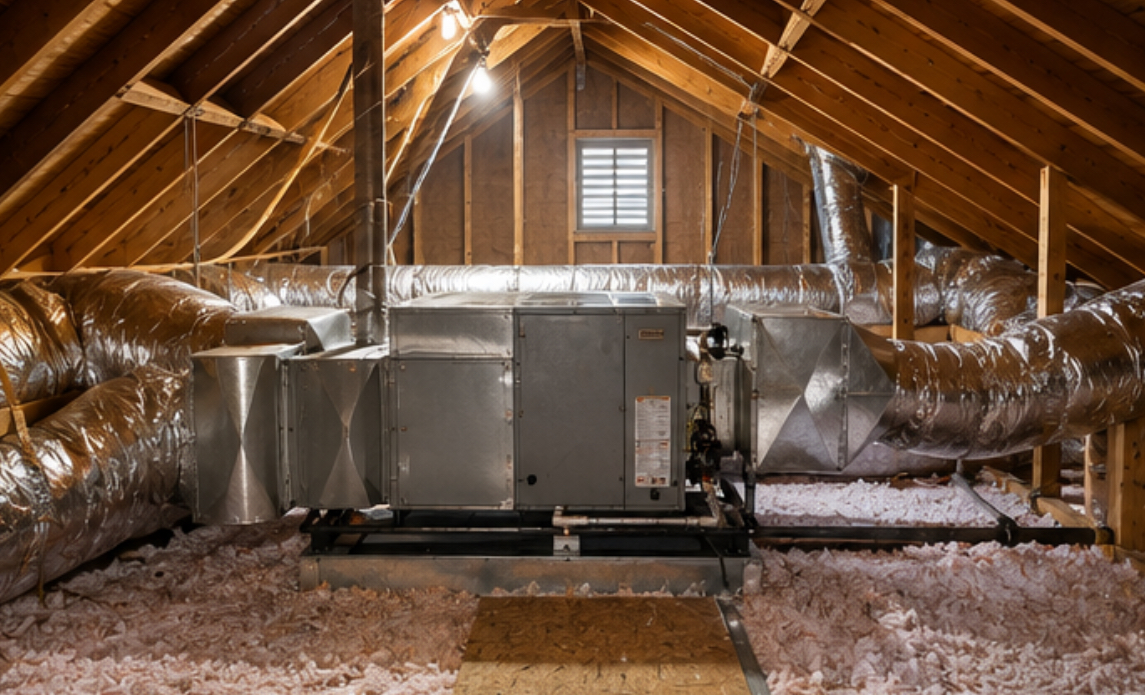
Super-hot attics trap heat around the ductwork and air handler, forcing the equipment to work even harder, and power surges from severe thunderstorms can take out sensitive components without warning.
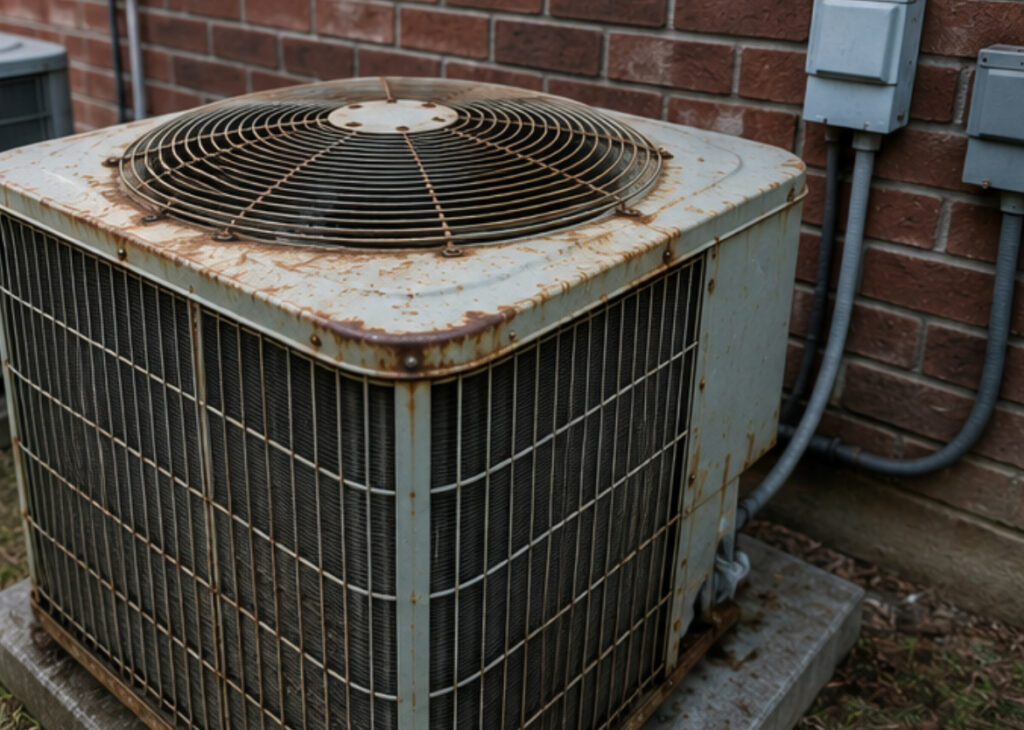
Older units that already struggle through back-to-back heat waves get pushed past their limits, so what looked like a minor quirk quickly becomes a no-cool emergency. The good news is that most of the costly outcomes come from how homeowners respond, which means they are avoidable.
Mistake #1: Waiting Too Long to Call for Help
As a Dallas heat wave pushes an AC to its limits, small issues escalate fast, and waiting too long to call for help is one of the most expensive mistakes a homeowner can make.
It is tempting to hope a strange noise, warm air, or a tripped breaker will sort itself out, but in 105-degree weather that delay often turns a modest repair into a major one.
Calling early lets a technician diagnose the problem under normal conditions, before the system has already been pushed past the point of no return.
| Early Situation | What Often Happens If You Wait |
|---|---|
| Weak airflow | Blower motor overheats and fails |
| Occasional breaker trips | Damaged compressor or melted wiring |
| Small ceiling stain near a vent | Major repair from a condensate leak |
The pattern is almost always the same: the longer a struggling system runs in extreme heat, the more it damages itself.
Mistake #2: Attempting DIY Repairs Without a Diagnosis

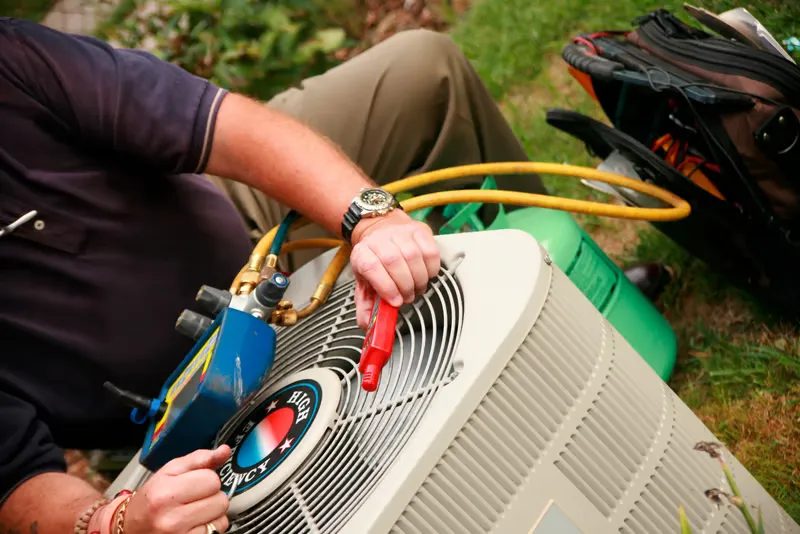
Instead of calling a technician, many homeowners grab a screwdriver, pull up a video, and start fixing the AC without knowing what is actually wrong. In 100-degree heat, that rushed decision can turn a minor fault into a burned-out compressor or a ruined blower motor.
Swapping parts based on a video is guessing, not diagnosing, and it often ends with a call for professional AC repair anyway, now at a higher cost.
The risks go beyond wasted money. Miswired components can short out control boards or cause shocks, and opening refrigerant lines without gauges and training is both dangerous and illegal.
DIY work can also void manufacturer or labor warranties, and the original symptom often points to several possible failures rather than the single one a video assumes. An accurate diagnosis is what keeps a small problem from becoming a much larger one.
Mistake #3: Ignoring Early Warning Signs
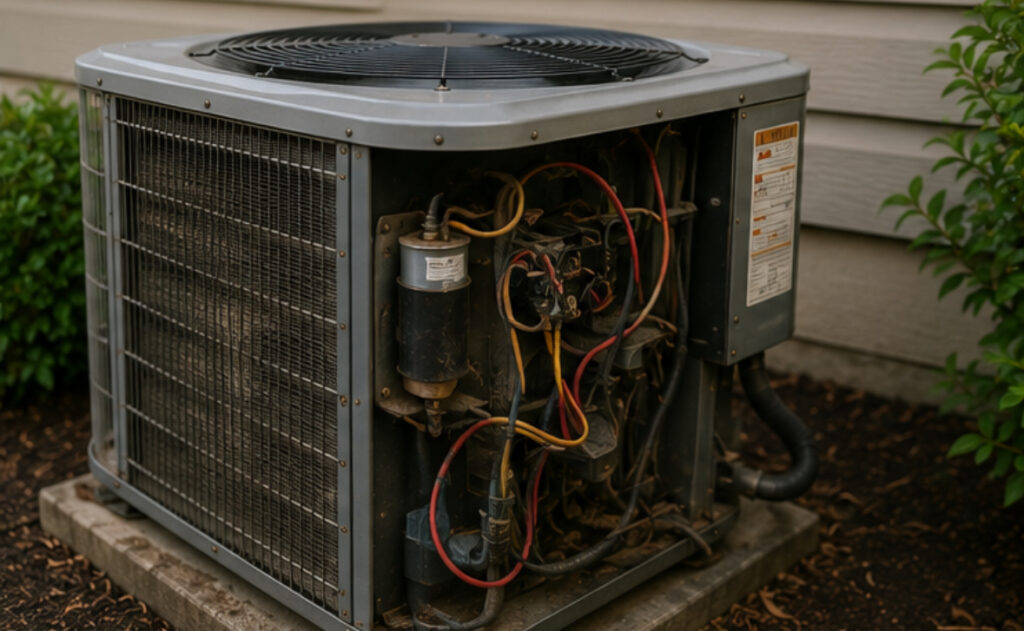
Many AC surprises in Dallas were not really surprises at all. The system warned the homeowner for days or even weeks before it quit.
A new buzzing at the outdoor unit, weak airflow upstairs, a thermostat that drifts higher each afternoon, water around the indoor unit, or a faint burning or musty smell are all early-warning signs worth taking seriously.
Watch for These Warning Signs:
- Warm air coming from vents
- Weak or uneven airflow
- Frequent thermostat adjustments
- Buzzing, grinding, or rattling noises
- Water around the indoor unit
- Burning or musty odors
- Higher-than-normal utility bills
When those signals get ignored during a 100-degree week, minor issues snowball. A weak capacitor becomes a burned-out compressor, a partially clogged drain pan overflows and ruins drywall, and short cycling from a failing blower motor drives up bills while overheating components.
Calling for service at the first sign of trouble usually turns what would have been an emergency into a quick, affordable repair, and routine AC maintenance catches many of these issues before they reach that point.
Mistake #4: Choosing the Cheapest Emergency Option
When the AC dies on a 102-degree afternoon, and the house is heating up fast, it is tempting to grab the first contractor who can come right now with the lowest quote.
Too often, those deals turn into repeat breakdowns, ruined compressors, and full replacements that could have been avoided. A cheap emergency call frequently means no real diagnostics, just guessing and swapping parts.
It is worth being cautious with any HVAC contractor who:
- Will not check refrigerant pressures, electrical components, and airflow.
- Cannot explain why a part failed or show you the readings.
- Pressures toward cash-only, no-permit, no-paperwork discounts.
- Refuses to warranty labor or document the repair.
In a climate this demanding, low-quality emergency work almost always costs more in the long run than doing it correctly the first time.
Mistake #5: Constantly Adjusting the Thermostat
When the house feels hot, many homeowners start lowering the thermostat again and again, hoping the AC will cool faster. Unfortunately, an air conditioner does not work that way. Setting the thermostat from 78°F to 65°F will not speed up cooling, but it can force an already struggling system to run continuously during extreme Dallas heat.
Constant thermostat changes can make it harder to recognize the real problem, increase wear on components, and drive up energy costs.
If the indoor temperature is not dropping after a reasonable amount of time, there is likely an underlying issue that needs professional attention rather than another thermostat adjustment.
Instead of lowering the thermostat repeatedly:
- Leave the temperature at a reasonable setting.
- Check that the air filter is clean.
- Verify the outdoor unit is running.
- Close blinds to reduce heat gain.
- Call for a professional diagnosis if cooling performance continues to decline.
What Should You Do During an AC Emergency?
When the Air conditioner quits during a North Texas heat wave, your first moves can protect both your comfort and the system. The goal is to stop further damage, slow how fast the house heats up, and set up an accurate diagnosis. A few simple steps make a real difference before help arrives.
Step 1: Turn the System Off
If you hear grinding or buzzing, or notice a burning smell, shut the unit down at the thermostat and, if needed, at the breaker.
Letting it struggle can overheat the compressor or fry electrical parts, turning a minor issue into a full replacement. Switching it off protects the expensive components and gives the technician a clearer starting point.
Step 2: Check the Air Filter
A clogged air filter can make a system overheat, trip safety switches, or freeze the coil. Turn the system off, slide the filter out, and check it under a light. If it is gray, matted, or collapsing, replace it before restarting. A fresh filter is one of the few fixes a homeowner can safely handle alone.
Step 3: Block the Heat and Call a Pro
Close blinds and curtains on sun-exposed windows, focusing on west-facing rooms and upstairs spaces where heat builds fastest.
Then call a qualified technician rather than continuing to guess. Be ready to describe the symptoms, along with any breaker trips, noises, or leaks, which speed up the diagnosis and get the system cooling sooner.
Knowing these steps can help prevent additional damage during an AC emergency, but the quality of the repair ultimately depends on the HVAC contractor you choose.
Working with an experienced, reputable air conditioning technician ensures the problem is diagnosed correctly the first time, helping you avoid unnecessary repairs, repeat breakdowns, and higher long-term costs.
Why Choose Proactive Air Conditioning for Emergency AC Repair in Dallas, TX

An AC emergency in Dallas heat is stressful, but most of the damage comes from avoidable mistakes: waiting too long, guessing at DIY fixes, or hiring on price alone. The system usually gives you a chance to act early, and taking it is what keeps a repair from becoming a replacement.
Proactive Air Conditioning brings NATE-certified technicians and more than 15 years of HVAC experience to every emergency call. Instead of random part-swapping, our team pinpoints the real cause and protects your compressor, blower motor, and electrical components, backed by honest emergency AC service.
If your system is struggling and the house is heating up, do not wait it out or gamble on the cheapest quote. Reach out for fast, accurate diagnostics and honest options that protect your comfort and your budget.