When a Dallas heat wave pushes afternoon temperatures above 100°F, many homeowners respond by lowering the thermostat from 76°F to 70°F or even lower, hoping the house will cool faster. It seems like a logical solution, but most residential air conditioners don’t work that way. Instead of increasing cooling speed, the system simply runs longer while consuming more electricity.
In many cases, the real issue isn’t the thermostat setting at all. During triple-digit North Texas weather, your air conditioner is already operating close to its maximum cooling capacity. If the home isn’t reaching the desired temperature, the cause is often excessive heat gain, restricted airflow, declining system efficiency, or a problem that requires air conditioner repair. Understanding how your thermostat actually controls the system can help you stay comfortable without placing unnecessary stress on your air conditioner.
Does Lowering the Thermostat Cool Your Home Faster?
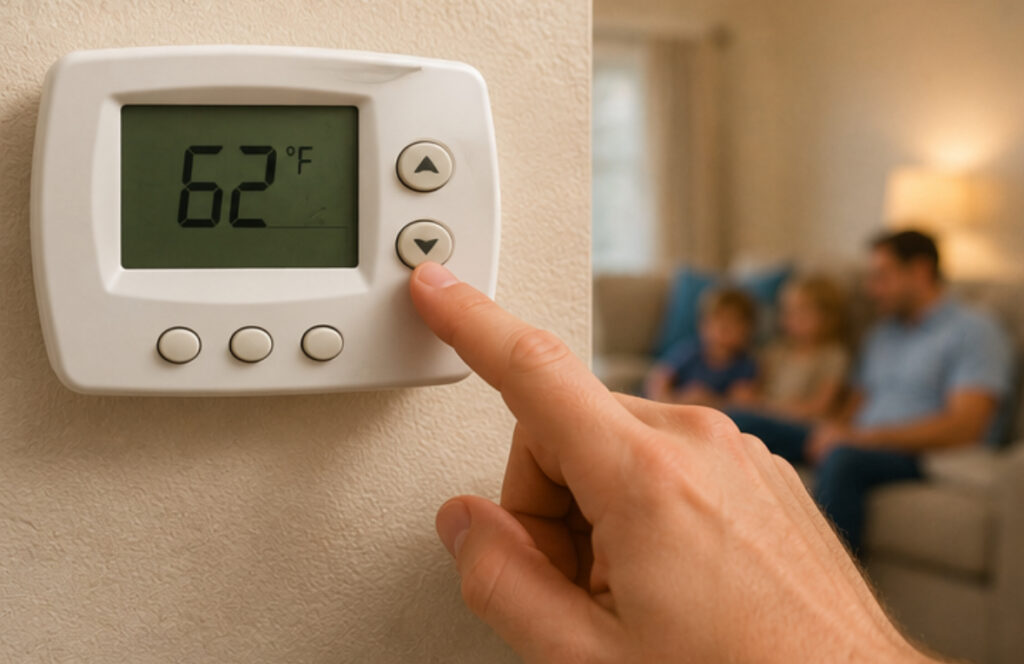
A common misconception is that setting the thermostat much lower forces the air conditioner to produce colder air. In reality, a standard central AC delivers the same supply air temperature whether the thermostat is set to 75°F or 68°F. The thermostat only controls when the system stops running, not how hard the compressor works.
During a Dallas heat wave, it’s completely normal for an AC to run for extended periods between 2 PM and 7 PM as outdoor temperatures, attic heat, and solar gain reach their highest levels. Lowering the thermostat several extra degrees simply tells the system to continue operating longer after it reaches your normal comfort setting.
| Thermostat Setting | What Actually Happens |
|---|---|
| Lowering from 76°F to 70°F | The AC runs longer but doesn’t cool faster. |
| Large temperature adjustments | Increases compressor runtime and electricity use. |
| Consistent thermostat setting | Helps maintain stable indoor comfort more efficiently. |
| Smart thermostat scheduling | Reduces unnecessary cooling when the home is unoccupied. |
| Properly maintained HVAC system | Delivers more consistent cooling during extreme heat. |
Why Does Your AC Still Struggle During a Dallas Heat Wave?
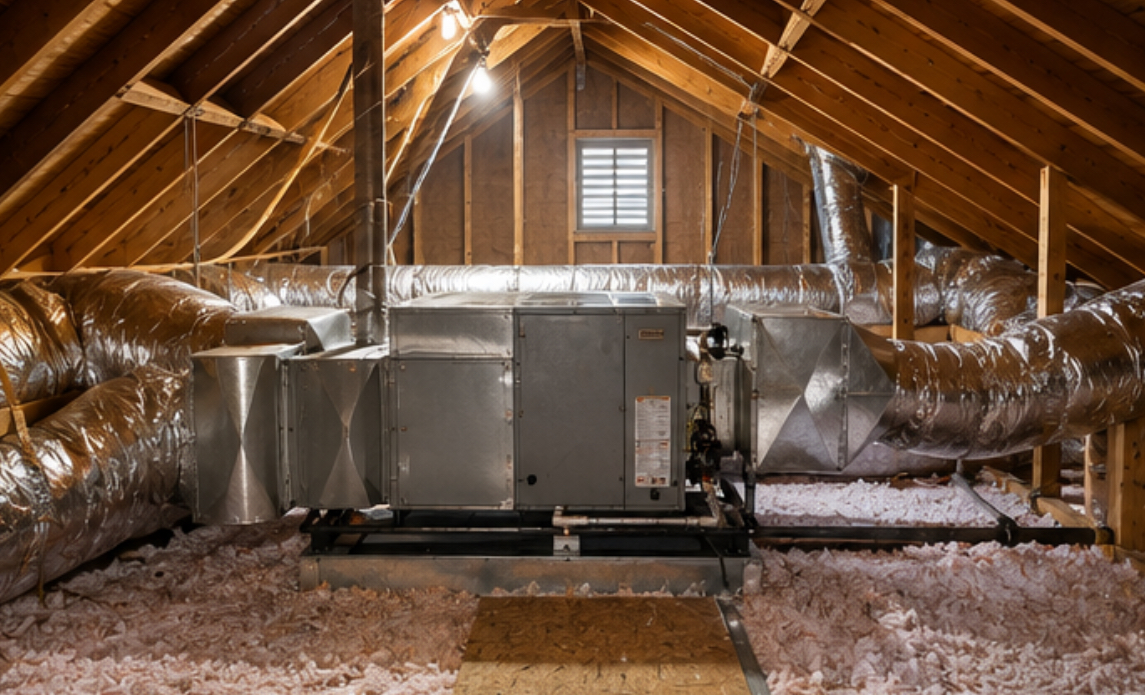
If your home isn’t cooling even after lowering the thermostat, the problem usually isn’t the thermostat itself. During North Texas summers, the cooling load increases dramatically as your roof, attic, walls, and windows absorb heat throughout the afternoon. Even a properly operating AC has to remove significantly more heat than it does during milder weather.
Several conditions can make the situation even worse.
- Attic Temperatures Above 140°F: Heat radiates through ceilings into living spaces.
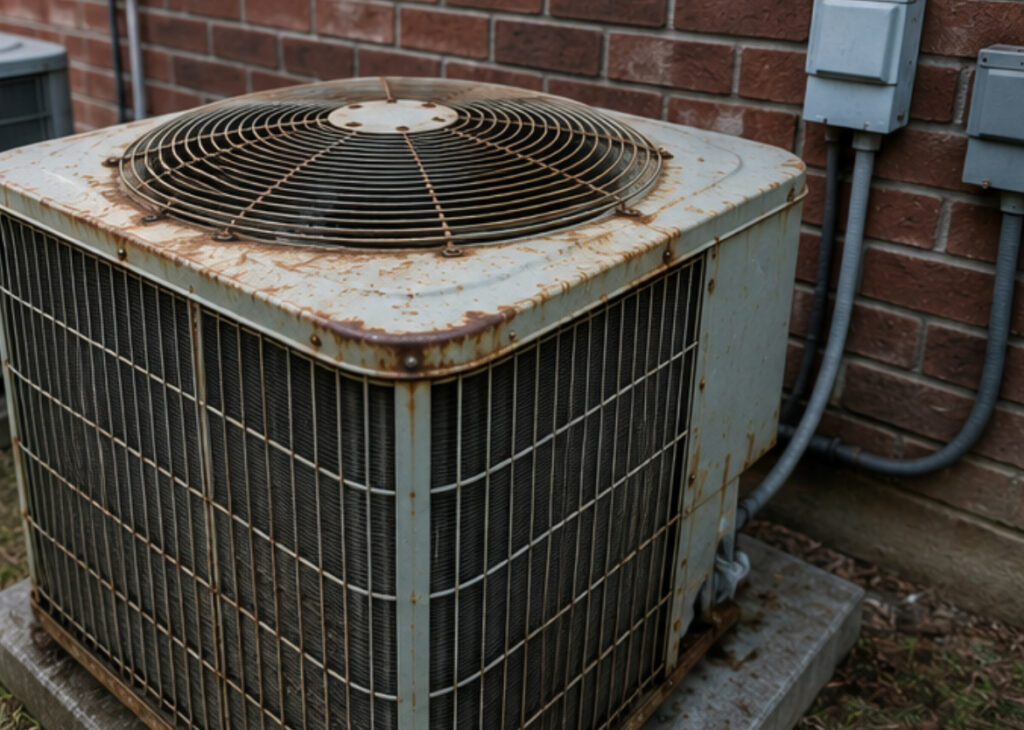
- Dirty Condenser Coil: Reduces the system’s ability to reject heat outdoors.
- Restricted Airflow: Dirty air filters or blocked return vents reduce cooling capacity.
- High Indoor Humidity: Moist air feels warmer, making homeowners lower the thermostat unnecessarily.
- Leaking Ductwork: Conditioned air escapes into the attic before reaching occupied rooms.
Many of these issues develop gradually, which is why homeowners often notice them only during the hottest weeks of a Dallas summer. A professional air conditioner maintenance visit before peak cooling season often identifies these efficiency problems before they increase utility bills or lead to unexpected repairs.
Can Constant Thermostat Adjustments Increase Energy Bills?
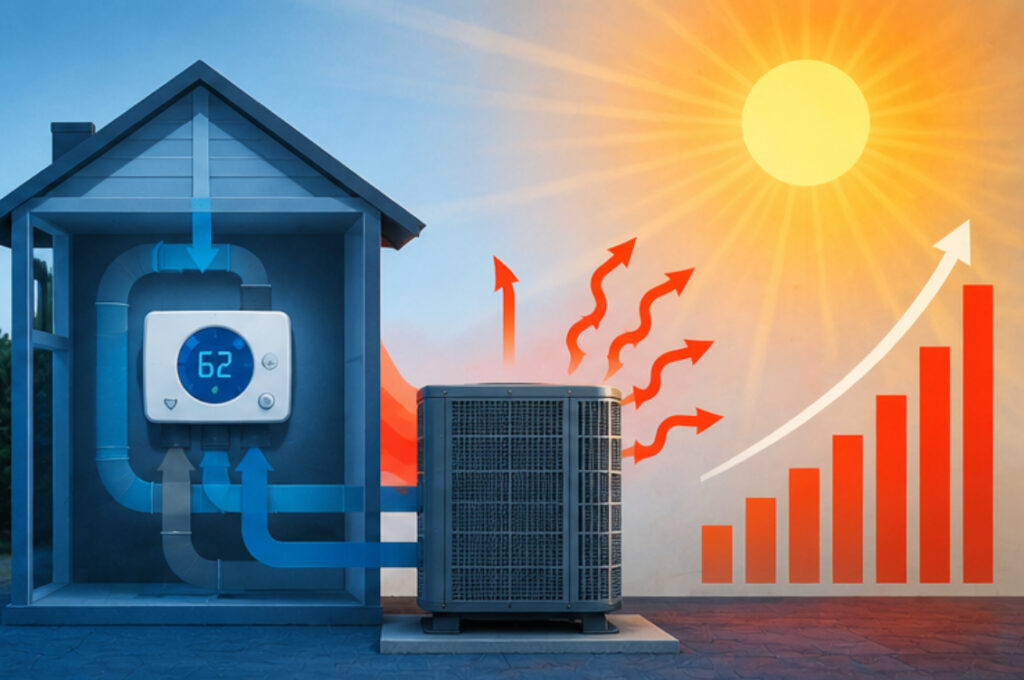
Frequently lowering the thermostat throughout the day often increases operating costs without improving comfort. Every additional hour the compressor runs uses more electricity, especially during peak afternoon hours when cooling demand is highest across Dallas. If the home has already reached the air conditioner’s cooling capacity, lowering the setpoint simply keeps the system running continuously.
| Homeowner Habit | Impact on Energy Use |
|---|---|
| Constant thermostat adjustments | Increases compressor runtime without faster cooling. |
| Lowering the setpoint several degrees | Raises electricity consumption during peak demand. |
| Ignoring routine HVAC maintenance | Reduces cooling efficiency throughout summer. |
| Using a programmable thermostat | Improves cooling schedules and reduces unnecessary runtime. |
| Delaying small AC repairs | Minor efficiency problems become more expensive over time. |
Rather than continually adjusting the thermostat, homeowners often see better results by using a programmable thermostat to maintain consistent temperatures and scheduling routine HVAC maintenance to keep the system operating at peak efficiency before Dallas’ hottest weather arrives.
What Should You Do Instead of Lowering the Thermostat?
Trying to force your AC to cool faster usually increases runtime instead of improving comfort. A better approach is to reduce the amount of heat entering your home while helping your HVAC system operate as efficiently as possible. These practical steps often make a noticeable difference during Dallas’ hottest afternoons without driving up your electricity bill.
Keep Your Thermostat at a Consistent Setting
Choose a comfortable temperature and avoid changing it every hour. A steady thermostat setpoint allows your air conditioner to maintain indoor comfort more efficiently while reducing unnecessary compressor cycling.
Use a Programmable or Smart Thermostat
Instead of manually adjusting the temperature throughout the day, use a programmable thermostat to automatically raise the temperature while you’re away and restore comfort before you return home. This helps reduce unnecessary runtime without sacrificing comfort.
Replace Air Filters Before Airflow Drops
During Dallas’ long cooling season, inspect your air filter every month. A clogged filter reduces airflow across the evaporator coil, increasing system runtime and reducing cooling performance during extreme heat.
Reduce Afternoon Heat Gain
Closing blinds on west-facing windows, keeping exterior doors closed, and limiting oven use during the afternoon reduces the cooling load on your HVAC system. Small changes inside the home help the AC maintain temperature more efficiently.
Schedule an Air Conditioning Tune-Up Before Peak Summer
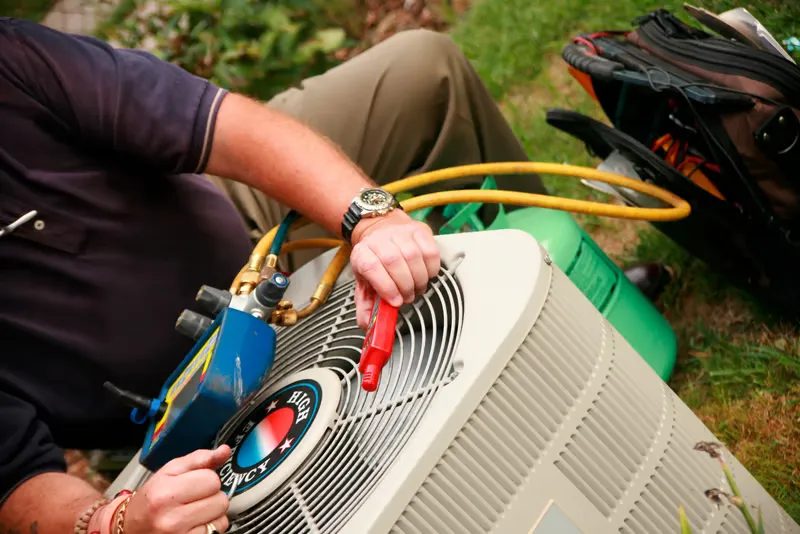
A professional air conditioner maintenance service includes cleaning the condenser coil, checking refrigerant performance, measuring airflow, and testing electrical components. Catching small efficiency problems before a heatwave often prevents higher utility bills and unexpected breakdowns.
Making these adjustments won’t change how fast your AC cools, but they can significantly improve efficiency, reduce operating costs, and help your system perform more consistently during triple-digit Dallas weather.
How Do HVAC Technicians Know If the Thermostat Is Actually the Problem?
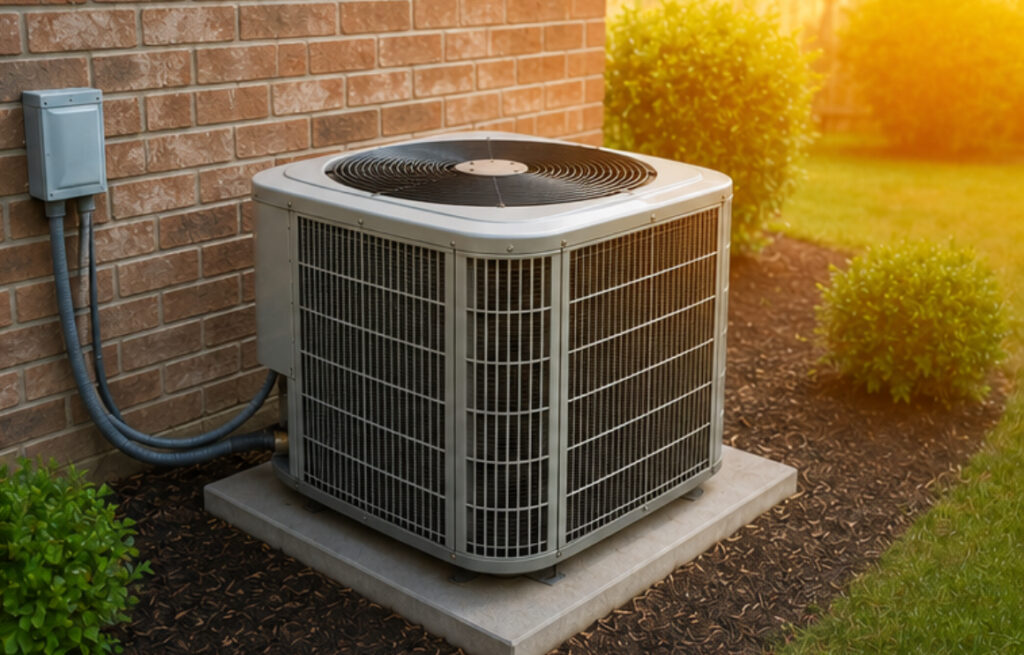
Homeowners often assume the thermostat is faulty when the house won’t cool, but experienced technicians rarely replace it without testing the entire system first. A professional evaluation focuses on whether the HVAC system is delivering its designed cooling capacity before blaming the thermostat itself.
Thermostat Calibration Check
Technicians compare the thermostat reading with the actual indoor temperature to confirm it’s sensing accurately and communicating properly with the HVAC system.
Cooling Performance Testing
Temperature split across the evaporator coil is measured to verify the system is removing heat efficiently under current operating conditions.
Airflow and Static Pressure Testing
Restricted airflow from dirty filters, undersized return ducts, or blocked vents can reduce cooling performance even when the thermostat is operating correctly.
Refrigerant and Electrical Inspection
Low refrigerant, weak capacitors, or declining compressor performance often become noticeable during Dallas heatwaves when the system operates under maximum demand.
Most service calls reveal that the thermostat is functioning properly, while another issue is limiting the system’s ability to cool the home. Choosing an experienced air conditioning contractor ensures the root cause is diagnosed correctly instead of replacing parts that aren’t causing the problem.
Why Choose Proactive Air Conditioning for AC Service in Dallas, TX?

When your home isn’t cooling during a Dallas heatwave, simply lowering the thermostat rarely solves the problem. At Proactive Air Conditioning, we evaluate the entire HVAC system to determine whether the issue involves airflow, refrigerant performance, electrical components, or overall system efficiency before recommending repairs.
With 15 years of HVAC experience and NATE-certified technicians, we’ve helped Dallas homeowners improve comfort through professional air conditioner maintenance, expert air conditioning repair, and honest system evaluations. Our goal is to help your AC operate as efficiently as possible, even during North Texas’ hottest weather.
If your air conditioner runs all day but your home still isn’t comfortable, don’t rely on thermostat adjustments alone. Contact Proactive Air Conditioning today and let our experienced team identify the real cause, improve your system’s performance, and help keep your energy bills under control this summer.