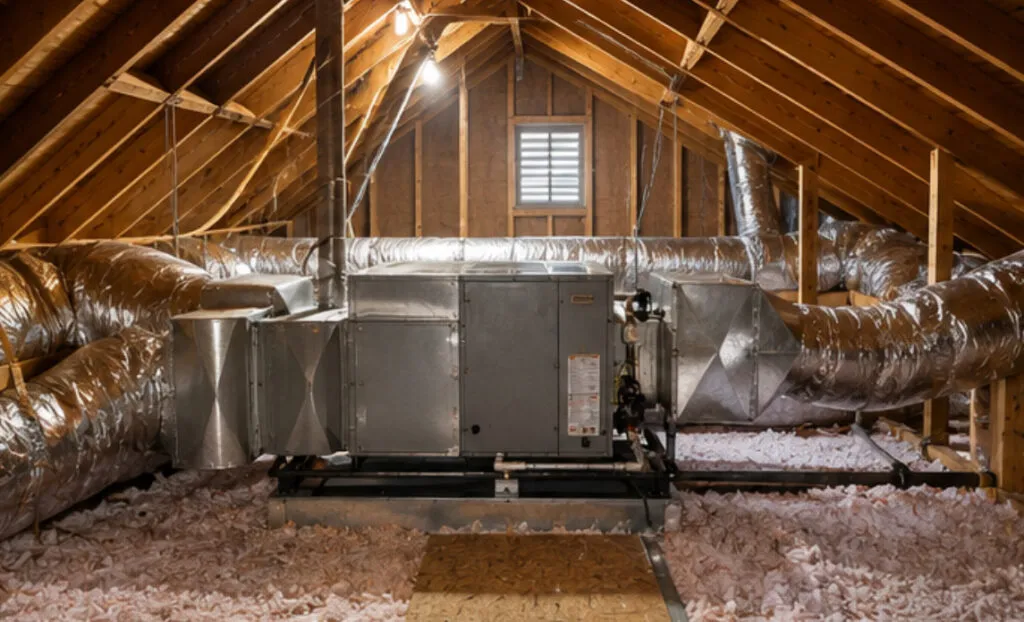
Here’s What To Do If Your Furnace Quits During A Dallas Freeze Warning
When a freeze warning hits Dallas, it doesn’t take long for furnaces to start acting up. Systems that usually work just fine suddenly struggle to keep up, short-cycle, or stop heating altogether. For many Dallas homeowners, it’s not that the furnace was “about to fail”. It’s that the sudden drop in temperatures pushes it harder than it’s used to running.
If your home feels colder than it should, you’re not alone. During freeze events, furnaces across Dallas commonly run nonstop, which exposes small issues like dirty filters, ignition problems, or airflow restrictions.
This guide is here to help you understand what’s happening, what safe steps you can take while waiting for professional help, and when it’s time to call in a trusted HVAC technician to restore heat and protect your home.
Why Furnaces Fail During Freeze Warnings in Dallas
Most furnaces in Dallas are designed for short cold spells, not prolonged freeze conditions. When temperatures drop suddenly and stay low, heating systems are forced to operate nonstop.
In older neighborhoods like Swiss Avenue, Dallas, where homes may have aging ductwork or older furnaces, that extra strain often reveals small issues that weren’t noticeable before the freeze.
How Sudden Freezes Stress Dallas Furnaces
Freeze warnings create constant demand on furnaces, leaving little downtime between heating cycles. Ignition systems, sensors, and electrical components are pushed harder than usual, increasing the likelihood of failure.
Parts that normally work fine during mild winters may stop functioning when exposed to prolonged cold and extended runtime.
Why Minor Issues Become Big Problems Fast
Small furnace issues don’t stay small during a freeze. Problems that might go unnoticed on a normal winter day can quickly cause shutdowns when the system is under pressure.
Common examples include:
- Dirty air filters restricting airflow
- Weak ignition or flame sensor issues
- Blocked return vents or closed registers
- Electrical components overheating from constant use
- Safety switches triggering repeated shutdowns
During a freeze warning, these minor problems can turn into a complete breakdown, which means you need to call for a reliable HVAC heating system specialist in Dallas.
Cold Weather Effects on Ignition and Airflow
Extreme cold can interfere with proper ignition and airflow balance. Furnaces may struggle to light or shut themselves down to prevent damage when airflow is restricted. These issues are especially noticeable when filters are clogged or vents are blocked, making routine airflow problems far more serious during extended cold snaps.
Why Freeze Warnings Trigger More Emergency Calls
Freeze warnings don’t just make homes colder; they expose weaknesses in heating systems across Dallas.
That’s why emergency furnace repair calls increase during these events. Acting quickly helps prevent further system damage, protects indoor comfort, and reduces the risk of longer outages during dangerous cold conditions.
Furnace Not Heating? Safe Checks Dallas Homeowners Can Do Right Now
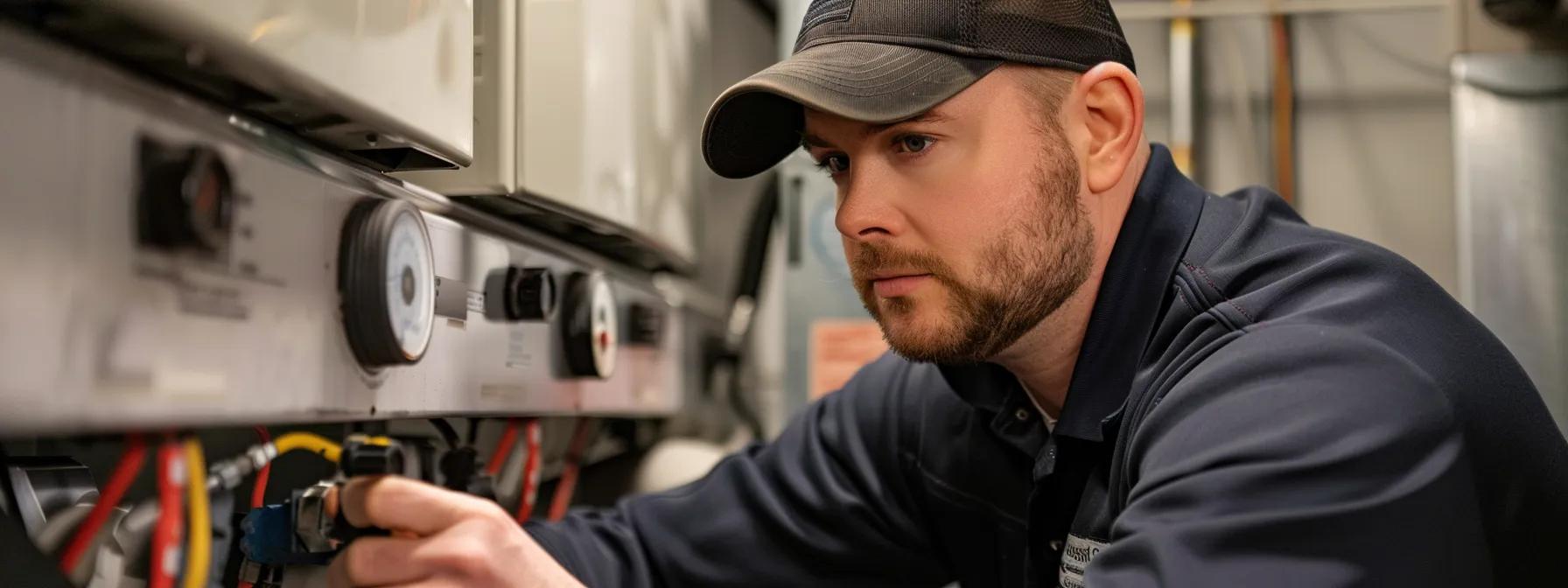
When a freeze warning is active, and your furnace isn’t heating your home, it’s easy to panic. The good news is that there are a few safe, basic furnace checks Dallas homeowners can do before calling for emergency furnace repair.
These steps won’t fix major issues, but they can help rule out simple problems, especially in areas like Lakewood, Dallas, where furnaces often run nonstop during cold snaps.
At Proactive Air Conditioning, our reliable heating technicians are here to help, especially during heating emergencies. If your furnace gives out during a winter cold snap, give us a call now.
Check Thermostat Settings and Batteries First
It sounds obvious, but thermostat issues are one of the most common reasons a furnace stops heating. Make sure the thermostat is set to “heat,” the temperature is set higher than the current room temperature, and the display is powered on.
If your thermostat uses batteries, replacing them can sometimes restore furnace operation immediately. Improper thermostat communication is a frequent cause of furnace not heating complaints during freeze warnings.
Inspect Power Supply and Furnace Switches
Furnaces rely on several power connections, and any interruption can stop the system from running. Check your electrical panel for tripped breakers and reset them once if needed.
Locate the furnace power switch near the unit; it can look like a light switch and may have been turned off accidentally. If the breaker trips again or the furnace won’t power on, stop troubleshooting and call a professional furnace repair service.
Look for Airflow Problems Caused by Dirty Filters
Restricted airflow is one of the top causes of furnace heating problems during extreme cold. When furnaces run continuously, filters clog much faster than usual.
Check for:
- A visibly dirty or clogged furnace filter
- Weak airflow from vents
- Closed or blocked supply registers
- Furniture or rugs covering return vents
Replacing a dirty filter can sometimes restore heat and prevent a full system shutdown.
Pilot Light vs Electronic Ignition Basics
Older furnaces may use a standing pilot light, while newer systems rely on electronic ignition. If you have a pilot light and it’s out, follow the manufacturer’s instructions carefully before relighting. If you smell gas, do not attempt to relight it.
Leave the home and call for emergency HVAC service in Lakewood, Dallas. For electronic ignition systems, repeated failure usually means professional furnace repair is needed.
Know When to Stop DIY Checks
If your furnace still isn’t heating after these steps, it’s time to stop troubleshooting. Continued attempts can trigger safety shutdowns or worsen the issue.
During a freeze warning, a furnace not producing heat is considered urgent, and calling a qualified HVAC contractor in Lakewood, Dallas, helps protect both your system and your home.
Furnace Blowing Cold Air During a Freeze Warning In Dallas? Here’s What It Means
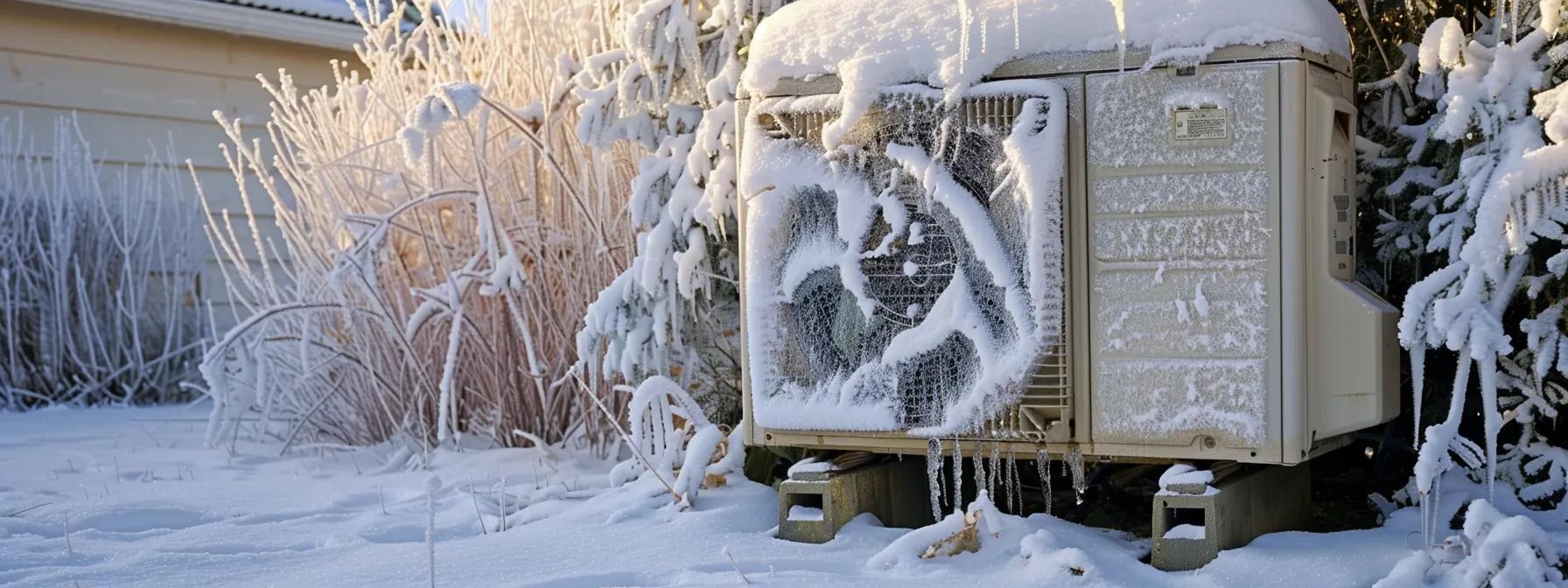
When a furnace starts blowing cold air during a freeze warning, it’s often a sign that the system is protecting itself. Dallas furnaces aren’t used to running nonstop, and during extreme cold, built-in safety features may shut down heating output to prevent damage.
Homeowners in Preston Hollow, Dallas, commonly notice this issue first in older systems or units that are overdue for routine furnace maintenance.
Why Furnaces Blow Cold Air in Extreme Cold
Cold air doesn’t always mean the furnace is completely broken. In many cases, the blower continues running even after the heating cycle shuts down. This can happen if the system overheats, loses proper airflow, or detects an ignition issue.
Our reliable heating repair technicians in Dallas typically notice this behavior when filters are clogged, sensors are dirty, or airflow is restricted during heavy use.
Airflow and Filter Issues Made Worse by Freeze Conditions
During a freeze, furnaces run longer cycles, which causes filters to clog much faster than usual. Restricted airflow can trigger safety shutoffs, stopping heat production while the fan keeps running.
Common airflow-related causes include:
- Dirty or overdue furnace filters
- Blocked return vents or closed registers
- Furniture or rugs restricting airflow
- Dust buildup in older duct systems
- Poor airflow balance from skipped maintenance
These issues often require professional heating repair if airflow isn’t restored quickly.
Condensate Drain and Safety Shutdowns
High-efficiency furnaces produce condensate, and during freezing temperatures, drain lines can clog or freeze. When this happens, the furnace may shut down heating to avoid water damage.
Clearing frozen or blocked drain lines should be handled carefully, and repeated shutdowns usually mean it’s time to call a heating contractor for proper diagnosis and repair.
When Cold Air Signals the Need for Furnace Repair
If cold air keeps flowing from the HVAC heating system even after basic checks, or the furnace repeatedly shuts down, the issue is no longer maintenance-related. Ignition failures, flame sensor problems, or control board issues often require professional furnace repair.
During a freeze warning, delaying service can lead to full system failure, making emergency heating service the safest option.
Temporary Steps to Stay Warm While Waiting for Furnace Repair In Dallas
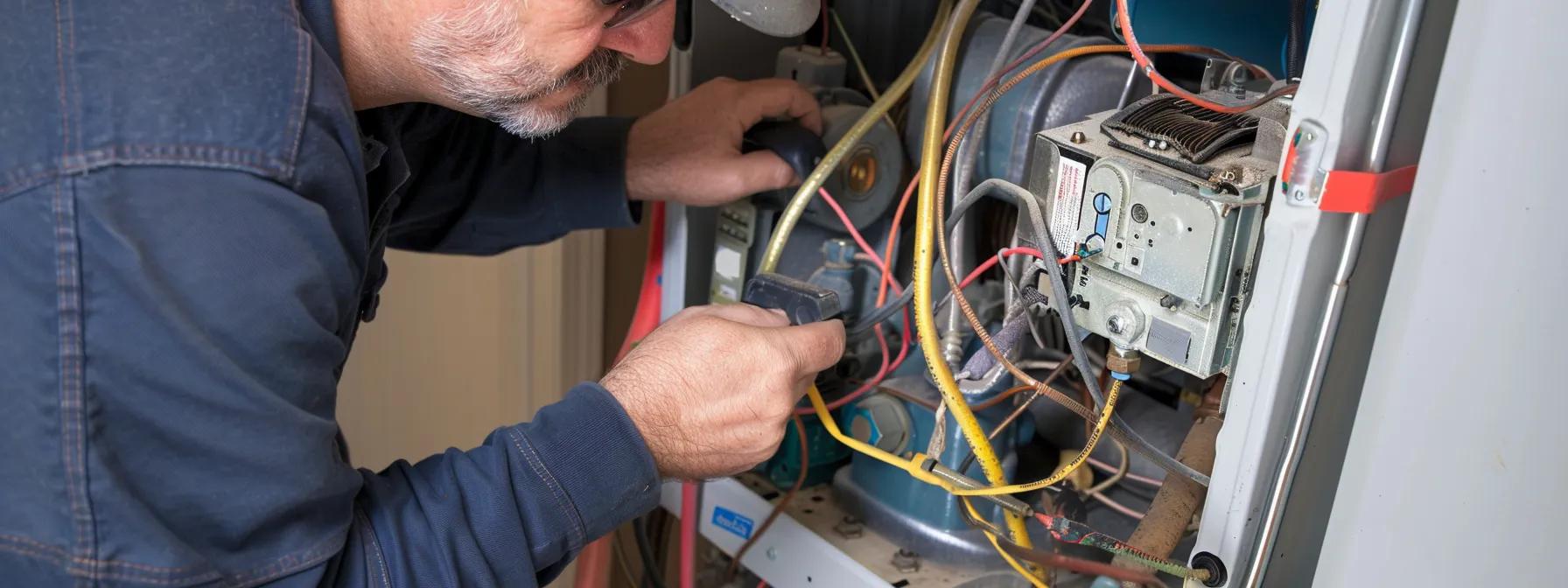
When your furnace fails during a freeze warning, the goal is to stay safe and limit damage until a reliable heating system repair contractor arrives.
For homeowners in Bluffview, Dallas, where temperatures can drop quickly overnight, these temporary steps can help keep your home warmer and reduce risks while you wait for professional furnace repair.
How to Safely Retain Heat Inside Your Home
Start by keeping as much warmth inside as possible. Close interior doors to unused rooms so heat stays concentrated in occupied spaces.
Use thick curtains or blinds to reduce heat loss through windows, especially overnight. Dressing in layers and using blankets may seem simple, but they make a real difference when indoor temperatures start to fall.
Preventing Frozen Pipes While Heat Is Out
Frozen pipes are one of the biggest risks during a furnace outage. Even if you’re waiting on heating service, taking a few preventive steps can help protect your plumbing.
Helpful actions include:
- Letting faucets drip slightly
- Opening cabinet doors under sinks
- Keeping interior doors open to allow warm air circulation
- Avoiding shutting off airflow to rooms with plumbing
- Maintaining some indoor heat, even if it’s limited
These steps can reduce the chance of burst pipes while you wait for our reliable furnace repair technician to show up.
Safe Use of Space Heaters (and What to Avoid)
Space heaters can provide temporary warmth if used correctly. Only use electric heaters with automatic shutoff features, keep them at least three feet away from anything flammable, and never leave them unattended.
Avoid using extension cords, fuel-burning heaters, ovens, or grills for heat; these pose serious fire and carbon monoxide risks.
Rooms to Prioritize for Warmth
Focus on keeping living areas and bedrooms warm first. If your home has multiple levels, heat rises, so staying on upper floors may feel warmer. Closing off less-used spaces helps reduce heat loss and makes limited warmth more effective until professional help arrives.
Temporary Warming Steps vs Professional Repair
The table below shows which steps are safe short-term solutions and which situations require immediate furnace repair from a heating contractor.
| Situation | Temporary Step | When to Call a Pro |
|---|---|---|
| No heat but power is on | Retain heat, layer clothing | Call for furnace repair immediately |
| Weak or cold airflow | Check filter, retain heat | If heat doesn’t return quickly |
| Frozen pipe risk | Drip faucets, open cabinets | If indoor temps keep dropping |
| Furnace shuts down repeatedly | Power off for safety | Emergency heating service needed |
| Burning smells or smoke | Shut system off | Call emergency heating repair |
Temporary steps can help you get through the wait, but they’re not a replacement for proper furnace repair. Once your system stops heating during a freeze warning, professional service is the safest and most reliable way to restore comfort and protect your home.
When DIY Stops and Emergency Dallas Furnace Repair Is Needed
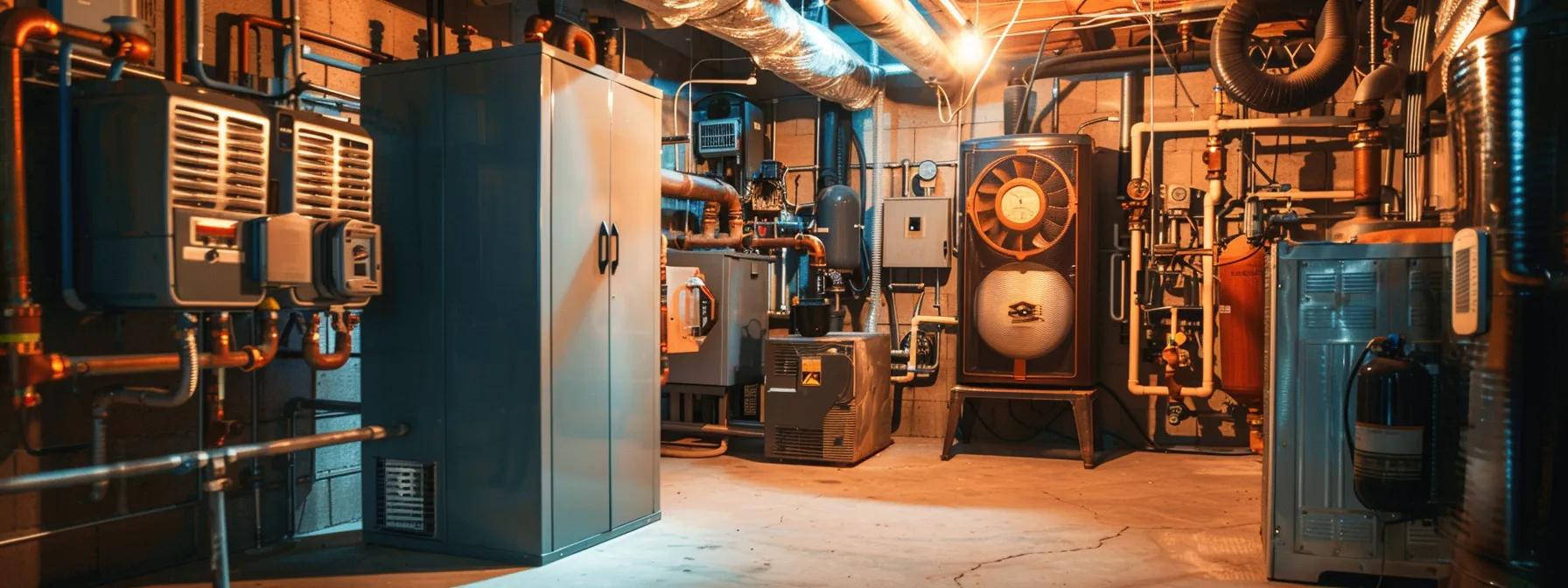
DIY checks and temporary warming steps can help you stay safe for a short time, but during a freeze warning, there’s a clear point where waiting or experimenting further can do more harm than good.
In areas like Vickery Meadow, Dallas, where many homes rely on shared infrastructure and closely spaced plumbing, loss of heat can escalate quickly from uncomfortable to risky. Knowing when to stop DIY efforts protects both your furnace and your home.
Safety Risks That Require Immediate Professional Help
Some furnace problems are not just mechanical issues; they’re safety concerns. If you smell gas, notice smoke, or experience repeated shutdowns, the system may be preventing a dangerous condition.
At that point, the safest step is to turn the furnace off and wait for a qualified heating contractor to inspect it. Continuing to run a compromised system during extreme cold can increase fire risk or carbon monoxide exposure.
Warning Signs You Shouldn’t Ignore During a Freeze
Certain symptoms signal that emergency furnace repair is needed, not routine maintenance.
These include:
- No heat at all during freezing temperatures
- Furnace shutting off repeatedly after starting
- Loud banging, popping, or grinding noises
- Burning or electrical odors
- Indoor temperatures continuing to drop
These issues often worsen rapidly during a freeze and require professional attention.
Why Freeze Warnings Change the Urgency Level
During normal winter weather, some furnace issues can wait a day or two. During a freeze warning, that’s rarely the case.
Prolonged cold increases the risk of frozen pipes, water damage, and major furnace component failure. Emergency furnace repair helps stabilize the system before those secondary problems develop, saving time, stress, and money.
How Reliable Heating Contractors Handle Emergency Furnace Repairs
Emergency service focuses on fast diagnostics and safe restoration of heat. A heating contractor will identify whether the issue can be repaired immediately, temporarily stabilized, or requires additional work once conditions improve.
The priority during a freeze is always safety and restoring enough heat to protect the home. If your furnace stops heating during a freeze warning and basic checks don’t help, reaching out for emergency furnace repair sooner rather than later can make the situation much easier to manage and help you get back to a warm, safe home as quickly as possible.
Need Furnace Help During the Dallas Freeze? Trust Your Local Heating Contractors At Proactive Air Conditioning!

When a freeze warning is active, losing heat isn’t just uncomfortable; it can put your home and safety at risk. If your furnace isn’t heating, keeps shutting down, or shows warning signs you shouldn’t ignore, having a reliable heating contractor on your side makes all the difference.
Proactive Air Conditioning provides 24/7 emergency furnace repair and heating services in Dallas, with experienced technicians who understand how systems behave during extreme cold. Our reliable heating repair team in Dallas focuses on fast diagnostics, honest recommendations, and restoring heat safely, so you’re not left guessing or waiting longer than necessary.
If DIY checks haven’t helped and your home is still cold, reaching out now can help prevent bigger problems like frozen pipes or system damage. Schedule emergency furnace repair with Proactive Air Conditioning today and get dependable help when you need it most.