5 Common Furnace Repair Problems HVAC Technicians See Every Winter In Dallas, TX
Winter heating problems in Dallas are rarely dramatic at first. A furnace might start up a little slower, sound slightly different, or struggle during those early-morning cold snaps that catch homeowners off guard.
In neighborhoods like Highland Park, University Park, and Oak Lawn, many systems sit idle for long stretches, then get pushed hard when temperatures dip overnight. That stop-and-start pattern creates a unique set of furnace issues that don’t always show up in colder climates.
After years of working on heating systems across Dallas, local HVAC technicians see the same unexpected problems surface every winter. Understanding what’s actually happening behind the scenes can help homeowners spot trouble early and avoid uncomfortable surprises when heat matters most.
Failed Ignitors After Long Dallas Cooling Seasons
In Dallas, furnaces often sit untouched for most of the year while air conditioners handle the workload. When winter finally arrives, ignitors are expected to work instantly after months of inactivity.
Experienced HVAC repair professionals in Dallas regularly see ignitor failures in homes throughout Park Cities and Lakewood, especially after long cooling seasons followed by sudden temperature drops.
Why Ignitors Fail After Months Of Inactivity
Ignitors are designed to handle frequent use, not extended downtime. After months without operation, the material can become brittle or weakened, especially when exposed to Dallas’s attic heat.
When cold weather hits, that first ignition attempt can cause a fragile ignitor to crack, leading to immediate heating failure and the need for professional furnace repair in Dallas.
Signs Your Furnace Ignitor Is Struggling
Ignitor problems rarely cause instant breakdowns. In many cases, homeowners notice subtle changes first, which are easy to overlook. A knowledgeable HVAC contractor in Dallas recognizes these early warning signs and addresses them before the furnace stops working altogether.
Here are some signs that Lakewood, Dallas, homeowners can look out for that signal that an immediate heating repair service is required.
- Repeated clicking sounds without ignition
- Furnace starting, then shutting off quickly
- Delayed warm air after adjusting the thermostat
- System locking out and needing frequent resets
How Dallas Attics Make Ignitor Problems Worse
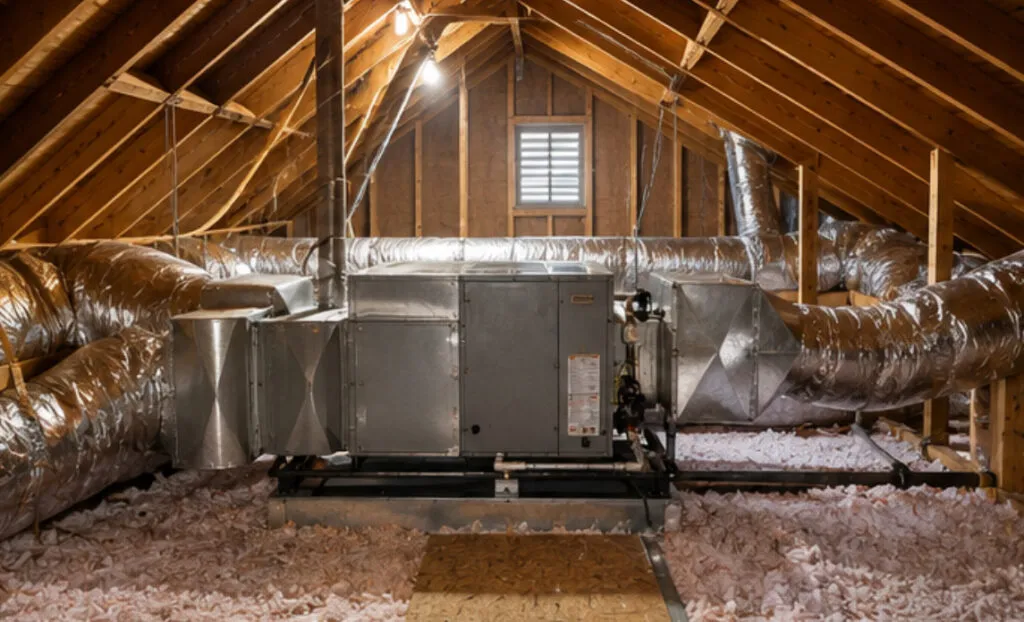
Attic-installed furnaces are common in Dallas homes, and they expose ignitors to extreme summer heat, dust, and insulation debris. These harsh conditions accelerate wear and weaken components over time.
Trusted heating repair technicians in Dallas often find ignitors damaged by thermal stress and contamination that builds up during long cooling seasons.
Why DIY Fixes Often Make Things Worse
Ignitors may look simple, but they are extremely fragile and easy to damage. Oils from your hands, improper handling, or incorrect installation can cause immediate failure.
Without proper testing tools, DIY attempts often turn a small issue into a full replacement job, which is why a skilled HVAC repair service provider in Dallas should always handle ignitor-related problems.
When To Call A Professional For Ignitor Issues
When a furnace hesitates, clicks repeatedly, or delivers inconsistent heat, it’s usually a sign that the ignitor is failing under stress. These issues rarely fix themselves and often worsen with each heating cycle.
An experienced HVAC contractor in Dallas can diagnose ignitor wear early, test related components, and restore reliable operation before a small issue escalates into a full no-heat emergency. Proactive Air Conditioning helps homeowners address ignitor problems promptly, ensuring steady heat and peace of mind during cold Dallas mornings.
Dirty Burners Caused By Dallas Attic Dust And Debris
Dust is one of the most overlooked causes of furnace trouble in Dallas homes. With many systems installed in attics, burners are constantly exposed to insulation particles, construction debris, and airborne dust pulled in during the cooling season.
Trusted HVAC heating repair service providers in Dallas frequently find burner issues in homes across Park Cities and Lakewood, Dallas, where attic conditions quietly interfere with safe, efficient furnace operation.
How Attic Dust Disrupts Proper Burner Operation
Furnace burners rely on clean airflow to ignite gas evenly and burn efficiently. When dust settles on burner ports, it restricts gas flow and throws off the combustion process.
Over time, this buildup causes uneven flames, delayed ignition, and wasted energy, often leading homeowners to seek expert HVAC repair services in Dallas once comfort or performance noticeably declines.
Why Burners Get Dirty Faster In Dallas Homes
Dallas attics endure extreme heat for much of the year, which accelerates dust movement and pulls insulation fibers into the furnace cabinet. Each cooling cycle adds another layer of debris, even when filters are changed regularly.
Reliable heating repair specialists frequently see faster burner contamination here compared to homes with basement-installed systems.
Common Warning Signs Of Dirty Furnace Burners
Dirty burners tend to cause subtle changes before leading to full system failure. A trusted HVAC contractor in Dallas can recognize these early warning signs during inspections or service visits, helping homeowners avoid unexpected breakdowns.
- Yellow or flickering burner flames instead of steady blue flames
- Furnace rumbling or vibrating during startup
- Uneven heating from room to room
- Strong, dusty, or metallic odors when the heat turns on
Why Dirty Burners Can Become A Safety Concern
When burners are restricted, combustion becomes incomplete, which can lead to soot buildup and increased carbon monoxide risk. These issues often develop quietly and go unnoticed.
Skilled HVAC repair professionals in Dallas prioritize burner cleaning not just for performance, but to ensure safe flame patterns and protect both the furnace and the household.
When Burner Cleaning Turns Into Furnace Repair
Minor dust buildup can sometimes be resolved during routine service, but heavier contamination may require deeper cleaning or component replacement. If your furnace struggles to stay lit or produces inconsistent heat, it’s time to call our top-rated HVAC contractor in Dallas to help you determine whether cleaning is enough or if more advanced heating repair services are needed.
Thermostat Miscommunication That Leaves Dallas Homes Cold
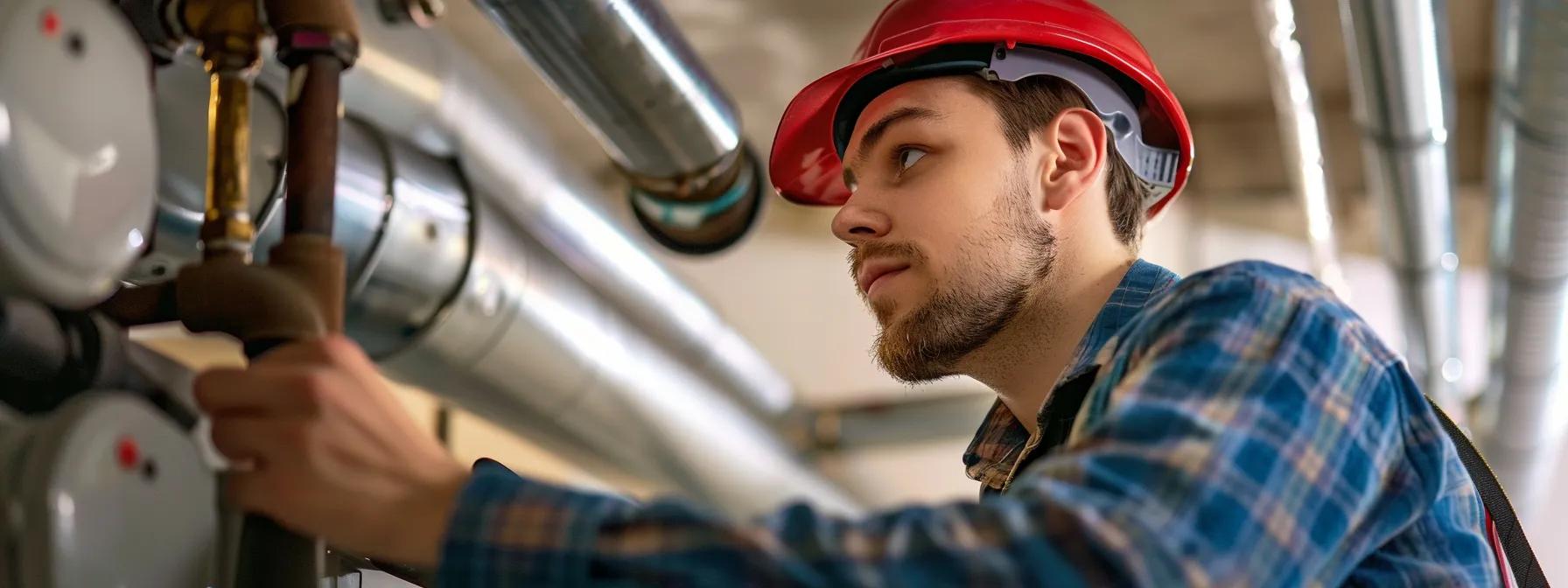
Thermostat issues are one of the most confusing furnace problems Dallas homeowners face because the system appears to be working, but the heat never quite shows up.
Our NATE-certified HVAC contractors in Dallas often see this problem in neighborhoods like Vickery Place, Dallas, and Lower Greenville, Dallas, where mixed signals between the thermostat and furnace prevent the system from responding properly during sudden winter temperature shifts.
How Thermostat Signals Control Furnace Operation
Your thermostat acts as the command center for your heating system. When it sends a signal to the furnace, several components must respond in the correct order.
If communication breaks down at any point, it may fail to start, short-cycle, or shut off prematurely. These scenarios often lead homeowners to schedule a trusted repair in Dallas, even though the issue begins at the thermostat.
Why Dallas Homes See More Thermostat Issues
Many Dallas homes rely on programmable or smart thermostats to manage long cooling seasons. Over time, wiring wear, software updates, or incorrect settings can interfere with heating commands.
Reliable heating repair professionals in Dallas frequently encounter thermostat miscommunication in areas like Lower Greenville, Dallas, especially after systems switch from cooling to heating.
Common Signs Of Thermostat And Furnace Misalignment
Thermostat-related furnace problems tend to feel inconsistent and unpredictable. A trusted HVAC contractor in Dallas knows how to distinguish thermostat misalignment from actual furnace failure during diagnostics.
When you notice these signs in your home, know it’s time to contact a trusted HVAC technician in Dallas, because your HVAC heating system needs dependable repair fast.
- Furnace does not respond when temperature is raised
- Heat turns on briefly, then shuts off
- Thermostat displays inaccurate room temperature
- System runs at unexpected times
Why Thermostat Issues Are Often Misdiagnosed
Because thermostats are visible and easy to access, they’re often blamed or replaced prematurely. In many cases, the real issue involves wiring, calibration, or compatibility with the furnace itself.
Skilled HVAC repair contractors in Dallas test the full communication chain to prevent repeat issues and unnecessary replacements.
When Thermostat Problems Require Furnace Repair
If thermostat adjustments don’t restore consistent heat, the problem may involve furnace controls or safety sensors. That’s when calling an experienced HVAC contractor in Dallas becomes important.
A dependable professional can determine whether the fix is thermostat-related or if deeper heating repair in Dallas is needed to keep homes in Vickery Place, Lower Greenville, and surrounding areas comfortable.
Cracked Heat Exchangers From Sudden Dallas Temperature Swings
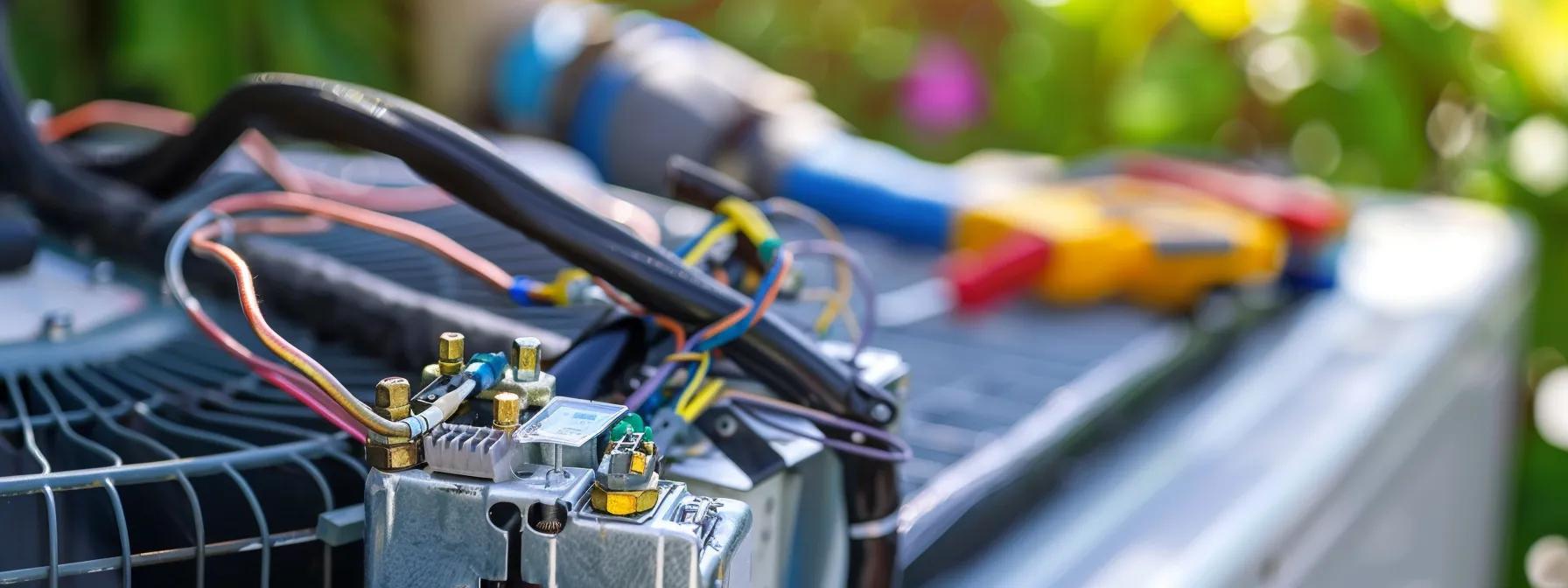
Dallas winters are unpredictable, and those sharp temperature swings can be tough on furnaces. Trusted HVAC heating technicians in Dallas frequently find cracked heat exchangers in homes across Wilshire Heights, Lakewood, and Northeast Dallas, especially when systems cycle on and off during sudden cold snaps. This issue often develops quietly and becomes serious before homeowners realize what’s happening.
How Temperature Swings Stress Heat Exchangers
A heat exchanger expands when it heats up and contracts as it cools. In Dallas, rapid on-and-off cycling caused by fluctuating outdoor temperatures accelerates that stress.
Over time, repeated expansion and contraction can weaken the metal, leading homeowners to require frequent system repairs after cracks begin affecting performance or safety.
Why Dallas Furnaces Are More Vulnerable To Cracking
Many furnaces in Northeast Dallas neighborhoods are older or have seen years of heavy cooling use paired with limited winter operation.
This uneven workload contributes to metal fatigue. Reliable heating repair experts in Dallas often see cracking occur sooner in systems that haven’t been regularly inspected or tuned for seasonal transitions.
Warning Signs Of A Cracked Heat Exchanger
Heat exchanger damage isn’t always obvious, but there are warning signs that our trusted HVAC contractors in Dallas always look for during dependable heating system inspections.
- Unusual metallic or chemical odors when the heat runs
- Furnace short-cycling or shutting down unexpectedly
- Soot buildup near furnace components
- Carbon monoxide detector alerts
Why Cracked Heat Exchangers Are A Serious Safety Issue
Cracks can allow combustion gases, including carbon monoxide, to mix with indoor air. This turns a heating problem into a safety concern.
Reliable HVAC repair professionals in Dallas treat suspected heat exchanger issues with urgency, prioritizing safe operation and proper testing before recommending continued system use.
When Heat Exchanger Damage Requires Immediate Action
If a crack is suspected or confirmed, continuing to run the furnace is risky. At that point, contacting an experienced HVAC contractor in Dallas is essential.
A knowledgeable professional can evaluate whether repair or system replacement is necessary and guide homeowners in Wilshire Heights, Lakewood, and Northeast Dallas toward the safest heating repair solution in Dallas.
Carbon Monoxide Risks In Older Dallas Homes
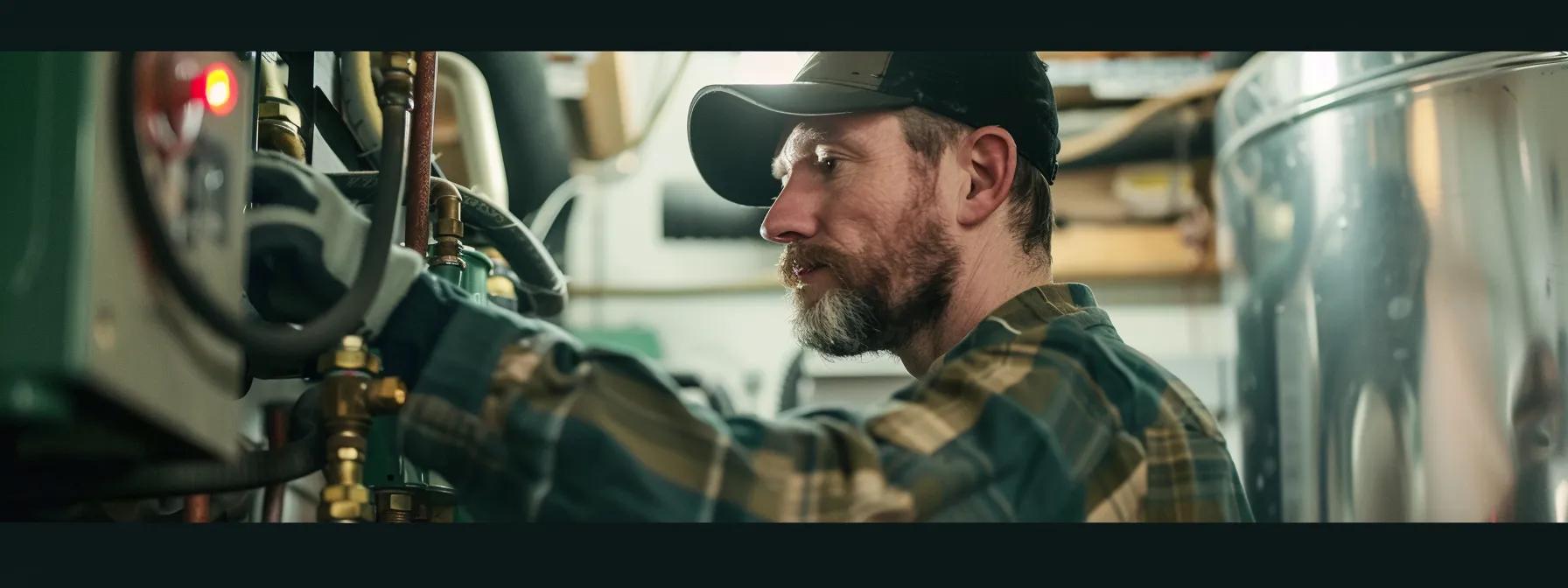
Carbon monoxide concerns become more common during winter, especially in older Park Cities, Dallas homes where furnaces and venting systems may not meet modern standards.
Dependable HVAC repair contractors in Dallas frequently uncover carbon monoxide risks in areas with aging housing stock, including parts of Northeast Dallas and established Lakewood neighborhoods, where heating systems may have gone years without proper inspection.
How Furnace Issues Can Lead To Carbon Monoxide Exposure
Carbon monoxide forms when fuel does not burn completely. Cracked heat exchangers, dirty burners, or blocked flues can allow this odorless gas to escape into living spaces.
Because it’s invisible, many homeowners don’t realize there’s a problem until symptoms appear or alarms sound, prompting urgent furnace repair in Dallas.
Why Older Dallas Homes Face Higher Risk
Older homes often have furnaces that were installed decades ago, along with venting systems that may have shifted, corroded, or become obstructed over time.
Trusted heating repair service providers in Dallas regularly find that these aging components increase the likelihood of improper exhaust flow, especially when furnaces are pushed hard during cold snaps.
Common Warning Signs Homeowners Should Never Ignore
Carbon monoxide issues can present subtle but serious warning signs. A trusted HVAC contractor in Dallas treats these symptoms as immediate red flags during service calls.
- Carbon monoxide detector alarms going off
- Headaches, dizziness, or nausea indoors
- Soot buildup around furnace or vents
- Stale or stuffy indoor air during heating cycles
Why Carbon Monoxide Problems Require Expert Diagnosis
Carbon monoxide issues are not something homeowners should troubleshoot themselves. Proper diagnosis requires combustion testing, airflow analysis, and safety checks.
Dependable HVAC repair technicians in Dallas use specialized tools to identify the source of the problem and ensure the furnace operates safely before allowing continued use.
When To Call For Immediate Heating Repair
If a carbon monoxide alarm activates or symptoms appear, the furnace should be shut off immediately. Calling our HVAC contractors in Dallas ensures the system is inspected thoroughly and corrected safely.
Booking a fast, emergency heating service when you spot these signs helps protect your household while restoring confidence that your HVAC system can operate safely through the rest of winter.
Common Furnace Problems Dallas HVAC Technicians See Every Winter
Before furnaces fully break down, they usually show clear warning signs. Certified HVAC repair professionals in Dallas rely on these patterns to diagnose issues quickly and accurately.
The table below highlights the most common heating problems seen in Dallas homes each winter, along with what homeowners often notice first.
| Furnace Issue | What Homeowners Notice | Why It Shouldn’t Be Ignored |
|---|---|---|
| Failed Ignitor | Clicking sounds, delayed heat | Can lead to sudden no-heat situations |
| Dirty Burners | Uneven heat, strange odors | Increases safety and combustion risks |
| Thermostat Miscommunication | Furnace runs inconsistently | Causes comfort issues and system strain |
| Cracked Heat Exchanger | Short cycling, CO alarms | Serious safety concern if left unresolved |
| Carbon Monoxide Risk | Headaches, alarms sounding | Requires immediate professional attention |
Recognizing these signs early allows knowledgeable HVAC contractors in Dallas to address problems before they escalate into major repairs or safety emergencies.
Don’t Let Small Furnace Issues Turn Into Big Winter Problems, Call Proactive Air Conditioning Now!
Furnace issues rarely resolve on their own, and small problems often grow worse with each heating cycle. Whether it’s inconsistent heat, unusual sounds, or safety concerns, working with a trusted HVAC contractor in Dallas ensures your system is inspected thoroughly and repaired the first time.
At Proactive Air Conditioning, our reliable, NATE-certified heating repair professionals in Dallas can restore comfort, protect your home, and help your heating system perform safely through the coldest days of winter.
When you need dependable HVAC repair in Dallas neighborhoods like Highland Park, University Park, Oak Lawn, Lakewood, or throughout Northeast Dallas, partnering with our skilled Dallas HVAC repair team gives you confidence that every component is carefully checked, tested, and operating as it should.