When The Heat Goes Out In Dallas, Try These Reliable Furnace Repair Tips First
When Dallas cold snaps hit, a faulty furnace doesn’t just steal your heat; it takes away your comfort and peace of mind. This comprehensive guide helps you tackle those chilly-night breakdowns with practical furnace repair tips every homeowner should know.
Learn how to spot early warning signs, handle minor fixes safely, and recognize when it’s time to call in a heating repair expert. From strange noises to uneven heating, we’ll walk you through what’s normal, what’s not, and how to keep your furnace running efficiently through every Texas cold front, from Greenway Park to Lovefield and surrounding Dallas neighborhoods.
The Most Common Furnace Problems Dallas Homeowners Face
When Dallas temperatures drop, the last thing you need is a furnace that quits on you. From weak airflow to ignition trouble, knowing the early signs helps you avoid costly breakdowns and keep your home safe.
Understanding these common issues can help you decide when it’s time for reliable furnace repair or a call to the best heating repair contractors in Dallas.
Signs Your Furnace Is Giving Out
At Proactive Air Conditioning, our reliable furnace repair experts notice several common problems Dallas homeowners experience in Bluffview. We recommend you watch out for these signs to avoid unexpected breakdowns.
- Dirty filters and restricted airflow: Clogged filters reduce heat output and force the blower to work harder, raising energy use and stress on components.
- Ignition or pilot light failures: Repeated outages or no heat point to ignition or gas-supply issues.
- Unusual mechanical noises: Rattling, banging, or squealing signal loose parts or worn bearings that worsen over time.
- Thermostat errors and control faults: Incorrect readings or wiring problems cause short cycling or no call for heat.
- Cracked heat exchanger or combustion leaks: Soot, odors, or CO alarms mean immediate professional attention is required.
Each problem differs in urgency; some you can troubleshoot safely, others demand expert heating repair to prevent damage or safety hazards.
1. Dirty Air Filters
Dirty air filters restrict airflow, forcing your furnace to work harder and heat less efficiently. This increases energy costs and can cause overheating. Look for weak airflow, dusty vents, or higher bills as signs it’s time to change the filter.
Replace disposable filters regularly, note the correct MERV rating, and keep vents clear to protect blower components and maintain comfort.
2. Pilot Light Issues
Pilot or ignition problems often stem from gas interruptions, clogged orifices, or worn igniters. Symptoms include no heat, yellow flames, or intermittent heating.
Ensure the gas valve is on, perform one safe reset per the manual, and stop if the problem persists. Because ignition involves fuel and combustion, call a pro if you smell gas, see soot, or experience repeated failures.
3. Unusual Noises
Strange noises are your furnace’s way of asking for help. Rattling hints at loose panels, banging signals delayed ignition, and squealing suggests motor or belt wear.
You can tighten accessible panels or clear debris, but if sounds persist, especially with performance loss or burning smells, shut it down and call a technician before minor issues become major repairs.
4. Thermostat Malfunctions
A faulty thermostat can trick your system into short-cycling or not heating at all. Dead batteries, incorrect modes, or miscalibration cause mismatched readings.
Double-check settings, replace batteries, and confirm smart thermostats are connected. Persistent issues may need a technician to recalibrate controls or upgrade your thermostat for better efficiency.
5. Cracked Heat Exchanger
A cracked heat exchanger is a serious safety concern; it can leak carbon monoxide into your home. Warning signs include soot buildup, metallic odors, or CO alarm alerts.
If this happens, ventilate immediately, evacuate if alarms sound, and call emergency furnace repair. Never attempt DIY fixes; only licensed HVAC professionals can safely replace or repair combustion components.
Quick Reference Guide: Common Furnace Issues & Actions
| Component | Typical Symptom | Immediate Homeowner Action |
|---|---|---|
| Air Filter / Return | Reduced airflow, dusty vents, and higher bills | Replace filter, clear vents, note MERV rating |
| Ignition / Pilot | No heat, repeated outages, weak flame | Confirm gas valve on; attempt one safe reset |
| Blower Motor / Fan | Squealing, weak airflow, frequent cycling | Check panels; turn off if a burning smell occurs |
| Thermostat | Incorrect cycles, no call for heat | Replace batteries, verify mode, and schedule |
| Heat Exchanger | CO alarms, soot, odor | Evacuate and call emergency services |
Safe DIY Furnace Troubleshooting for Dallas Homeowners
When your furnace stops working on a cold Dallas night, don’t panic; start with a few safe, simple checks. DIY troubleshooting helps you rule out quick fixes before calling in a certified furnace repair technician in Preston Hollow, saving time and money.
Focus on low-risk steps like checking power, filters, and thermostat settings. Never attempt gas or combustion repairs. Always note unusual sounds, smells, or error codes to help technicians diagnose faster and more accurately.
Quick DIY Furnace Checklist Before Calling a Heating Repair Pro
Before calling for professional furnace repair, take a few minutes to run through this simple checklist.
- Check power and breakers: It sounds basic, but tripped breakers or an accidentally flipped furnace switch cause many “no heat” calls. Make sure the furnace switch near the unit is in the On position and verify that the circuit breaker hasn’t tripped.
- Verify thermostat settings and batteries: Double-check that your thermostat is set to Heat and the temperature is above the current room reading. Weak or dead batteries are another common culprit, especially in older or non-smart models.
- Inspect the air filter and vents: A dirty air filter can block airflow and make your system overheat or shut down prematurely. Remove the filter, hold it up to the light; if you can’t see through it, it’s time to replace it. Also, ensure supply and return vents are unobstructed.
- Observe startup behavior: When the furnace turns on, listen for clicking, banging, or short cycling. If your model displays error codes (usually blinking lights), jot them down for your technician.
Completing this short list often resolves simple, non-hazardous issues and makes professional furnace repair service visits more efficient.
Step-by-Step: How to Replace a Furnace Air Filter
Replacing your furnace air filter is one of the easiest ways to improve airflow, efficiency, and indoor air quality. A clean filter helps your furnace breathe and prevents strain on the blower motor. Here’s how Highland Park residents do it safely:
- Turn off the furnace power: Always switch off the power at the unit or breaker before starting.
- Remove the old filter: Locate the filter slot near the return plenum or blower compartment. Take out the old filter and note the size and airflow direction printed on its frame.
- Install the new filter: Slide in a new one with the airflow arrow pointing toward the furnace. Make sure it fits snugly.
- Restore power and record the date: Turn the power back on and mark the replacement date on the filter frame.
Check your filter monthly, especially during heavy-use seasons, and replace it every 1–3 months depending on your home’s air quality. Regular replacement improves energy efficiency, prevents blower overheating, and helps your system deliver consistent comfort.
Simple Thermostat Fixes That Solve Common Furnace Issues
A surprising number of furnace “failures” trace back to thermostat errors. Before assuming something’s wrong with the system, take a minute to double-check the controls:
- Confirm it’s in Heat mode: Many thermostats stay in Cool or Auto from summer months. Set it to Heat and raise the temperature a few degrees above the current indoor reading.
- Replace batteries or reboot smart units: Low power can interrupt communication with your furnace. If you’re using a smart thermostat, restart it or check its Wi-Fi connection.
- Inspect placement and sensors: Thermostats near windows, vents, or sunlight can read incorrect temperatures and cause short cycling.
- Look for wiring wear or corrosion: If the thermostat display flickers or seems unresponsive, wiring may be loose. Stop here, electrical fixes should always be left to professionals.
A quick thermostat check often restores proper heating without tools or hassle. And if problems persist, a technician can recalibrate or upgrade your thermostat for more precise control and long-term efficiency.
When (and How) to Safely Reset Your Furnace Pilot Light
Sometimes your furnace just needs a reset, but safety always comes first. A pilot light or ignition reset is safe only when there’s no gas odor and you carefully follow the manufacturer’s steps.
- Turn off the gas control: wait for the recommended purge time listed in your manual.
- Follow the reset instructions exactly: usually pressing and holding the reset or ignition button while lighting the pilot or waiting for the igniter to spark.
- Observe the flame color: a steady blue flame is healthy; yellow or flickering flames signal combustion issues.
- Stop immediately if you smell gas or if the pilot won’t stay lit after one attempt.
If your pilot keeps going out or you notice soot, odors, or delayed ignition, stop DIY attempts. Call our trusted heating contractors in Dallas for a professional inspection. Persistent ignition issues often indicate a failing thermocouple or gas-control valve that requires expert tools and safety checks.
When Should Dallas Homeowners Call A Professional For Furnace Repair?
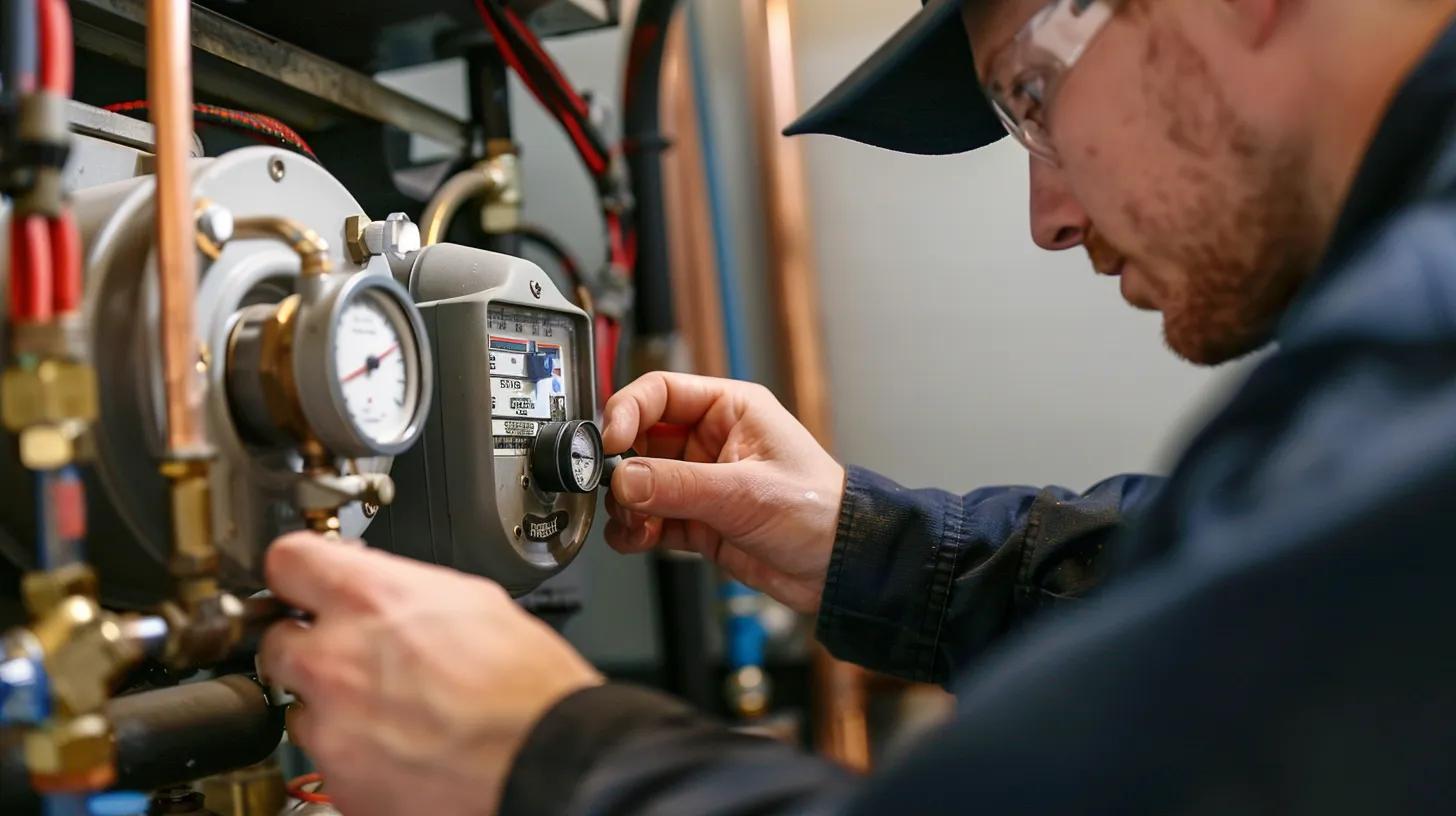
Not all HVAC heating system malfunctions can be tackled with DIY tasks. When safety risks, persistent performance loss, or system failures go beyond simple checks, it’s time to call a licensed furnace service provider.
Clear warning signs, like gas odors, carbon monoxide alarms, or repeated system shutdowns, indicate problems that require same-day professional attention.
If you’re dealing with strange noises, tripped breakers, or repeated ignition failures despite basic troubleshooting, stop DIY attempts. Professional heating technicians use specialized diagnostic tools, combustion analysis, and safety testing to identify the root cause and restore reliable, efficient operation.
Urgent Warning Signs That Require Immediate Expert Attention
Some furnace problems can’t wait. If you notice any of the signs below, treat them as emergencies and contact your local, qualified HVAC furnace repair technician right away:
- Carbon monoxide alarm activation or flu-like symptoms: Evacuate immediately and call emergency services before reentering.
- Smell of gas or strong combustion odor: Leave your home and contact professionals trained in gas safety.
- Visible soot or burn marks around combustion parts: Shut off the furnace and schedule immediate inspection.
- Repeated shutdowns or no heat after basic troubleshooting: This signals an internal fault—avoid repeated restarts and call for diagnostics.
Ignoring these warning signs can risk your health, safety, and even your property. When in doubt, err on the side of caution and request emergency assistance.
Recognizing Gas Leaks And Carbon Monoxide Risks
Gas leaks and carbon monoxide (CO) exposure are the most serious furnace-related hazards Dallas homeowners can face. Natural gas leaks usually smell like sulfur or rotten eggs and may cause nausea or dizziness.
Carbon monoxide, on the other hand, is odorless and invisible. Symptoms of CO poisoning include headaches, fatigue, and confusion, and can often result in fatal accidents. Install CO detectors on every level of your home and replace batteries regularly. If you smell gas or a CO alarm sounds:
- Evacuate everyone immediately.
- Avoid flipping switches, using phones, or lighting anything inside.
- Call emergency responders from a safe location.
Only trained professionals can perform combustion analysis and leak detection to confirm the source and restore safety.
Why a Cracked Heat Exchanger Is a Serious Problem
A cracked heat exchanger is one of the most dangerous furnace failures because it allows toxic combustion gases, including carbon monoxide, to enter your home’s air supply. Cracks form from corrosion, overheating, or years of metal fatigue. Warning signs may include soot around the burner area, metallic odors, or frequent CO detector alerts.
Because the heat exchanger is part of your furnace’s sealed combustion chamber, repairs are not an option; it must be professionally replaced. Licensed HVAC technicians use combustion analyzers and visual inspections to confirm cracks and ensure your furnace operates safely afterward. When safety is at stake, replacement is the only responsible choice.
How Same-Day Emergency Furnace Repair Works in Dallas
When cold weather hits, fast action makes all the difference. Same-day emergency furnace repair in Dallas begins with a quick assessment call, where the service provider evaluates the situation, checks for safety risks, and dispatches the nearest available technician.
Upon arrival, our expert furnace repair technician will:
- Perform safety checks for gas leaks, carbon monoxide, and electrical hazards.
- Diagnose ignition, control, or airflow issues using specialized tools.
- Implement temporary safety measures, such as sealing leaks or restoring heat safely.
- Recommend long-term repair or replacement options with transparent pricing.
Reliable local heating contractors ensure rapid, effective service so you can restore warmth, comfort, and peace of mind, even during unexpected Dallas cold snaps.
Stay Warm With Reliable Furnace Repair By Proactive Air Conditioning In Dallas
A well-maintained furnace doesn’t just keep your Dallas home warm; it protects your family’s comfort, safety, and energy efficiency all season long.
From simple DIY checks to knowing when it’s time to call a pro, understanding your system helps prevent costly breakdowns and keeps you one step ahead of winter weather. When your furnace needs expert attention, you deserve service that’s fast, honest, and dependable.
At Proactive Air Conditioning, our licensed heating specialists provide same-day furnace repair, detailed diagnostics, and preventive furnace maintenance designed to keep your home running smoothly through every Texas cold snap. We proudly serve the Dallas neighborhoods from Highland Park to Greenville, Knox, Oak Lawn, and nearby communities with transparent pricing, trusted workmanship, and long-term comfort solutions.