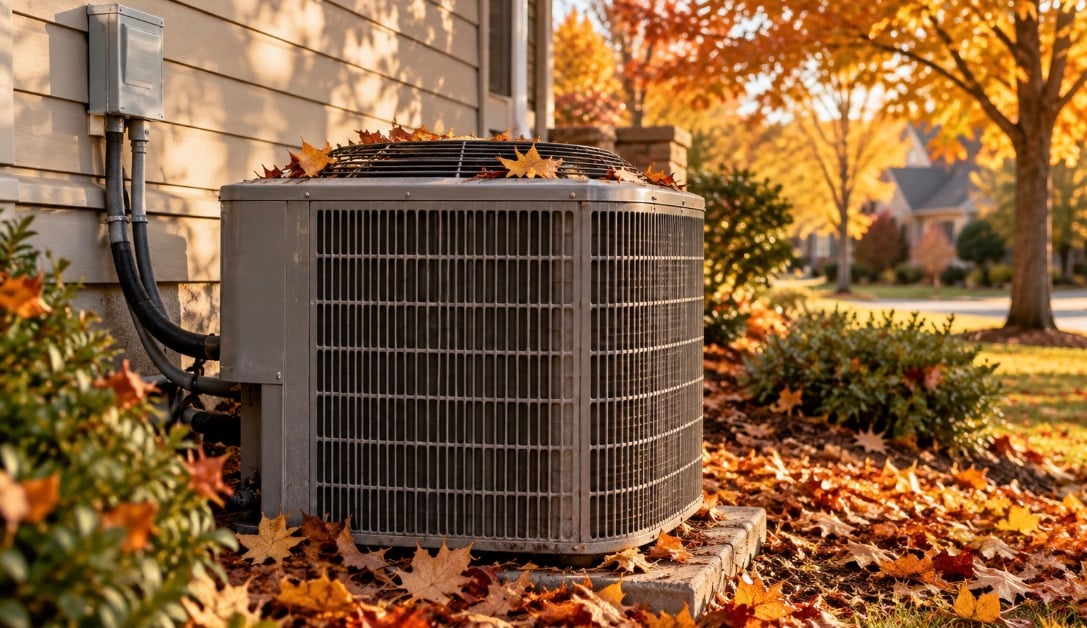
If your AC seems to struggle every summer, the problem may not start in July; it may begin in your attic weeks earlier. In many Dallas homes, attic spaces heat up rapidly in late spring, placing hidden stress on air handlers, ductwork, and electrical components long before outdoor temperatures peak. That trapped heat forces your system to run longer, drives up energy bills, and quietly accelerates wear. Recognizing early signs of attic-related AC stress can help you prevent costly repairs before the real summer demand arrives.
Why Dallas Attic Temperatures Rise Long Before Summer Begins

Dallas attics can become scorching heat traps as early as late spring, well before the summer sun fully asserts itself. You might think your AC system is safe until summer, but inadequate attic ventilation can quickly change that. When your attic lacks proper ventilation, temperatures can soar past 130°F, creating a hostile environment for your AC components. This sudden increase in attic heat isn’t just uncomfortable; it puts your entire cooling system under stress.
Early attic heat stress signs include:
- The attic feels dramatically hotter than the outdoor temperature.
- AC runtime increases in late spring afternoons.
- Upstairs rooms warm up earlier in the day.
- Insulation appears flattened or unevenly distributed.
Without sufficient ventilation, hot air gets trapped, and your attic turns into a furnace. This radiant heat can warp ductwork and degrade insulation, leading to inefficiencies. It causes your AC to work harder, raising energy costs and reducing lifespan. To keep your system functioning efficiently, ensure your attic has ample vents. Proper ventilation helps maintain a stable temperature, preventing excessive strain on your cooling equipment and ensuring comfort in your Dallas home.
How Extreme Attic Heat Overworks Your Air Handler
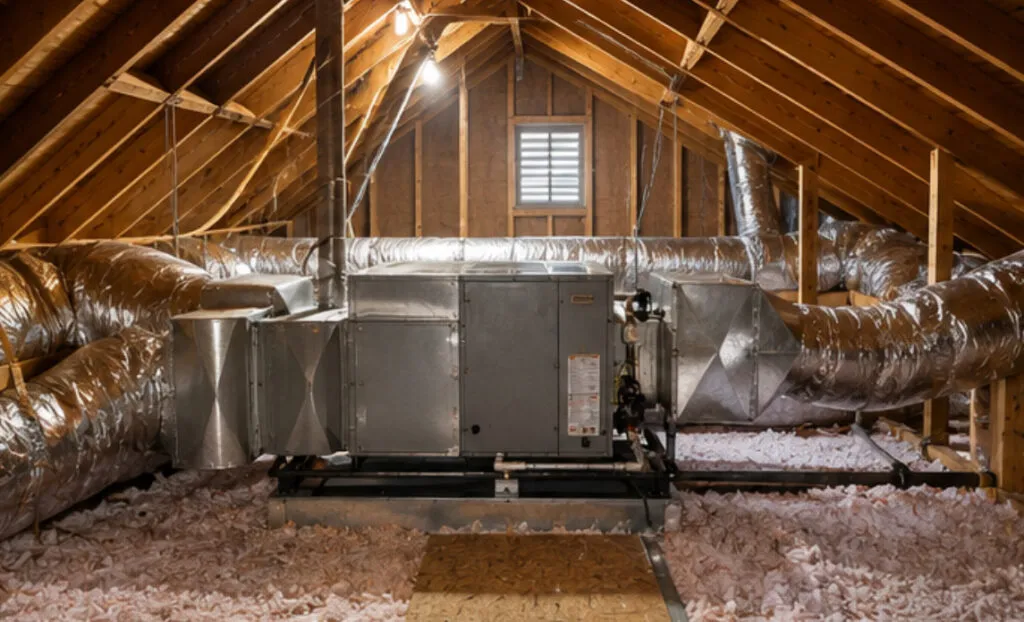
As spring temperatures climb, your attic can quickly become a high-stress environment for your AC system, especially the air handler. In many Dallas homes, triple-digit attic temperatures create sustained thermal buildup that places constant strain on this critical component. Since the air handler is responsible for circulating cooled air throughout the home, prolonged exposure to extreme heat forces it to run longer and harder, accelerating mechanical wear and reducing overall efficiency.
Air handler stress often leads to:
- Blower motor overheating during extended cycles.
- Capacitors are weakening under sustained heat exposure.
- Increased electrical draw during peak demand hours.
- Reduced airflow reaching upper-level rooms.
Over time, this strain can cause premature failure of blower motors, bearings, and electrical components. As these parts struggle in extreme attic conditions, energy usage rises and performance gradually declines. Many early-summer service calls begin with these exact symptoms. In many Dallas homes, once the air handler starts overheating, the next issue we usually find is ductwork absorbing attic heat and undoing much of the cooling before it even reaches your vents.
Why Overheated Ductwork Reduces Cooling Inside Your Home
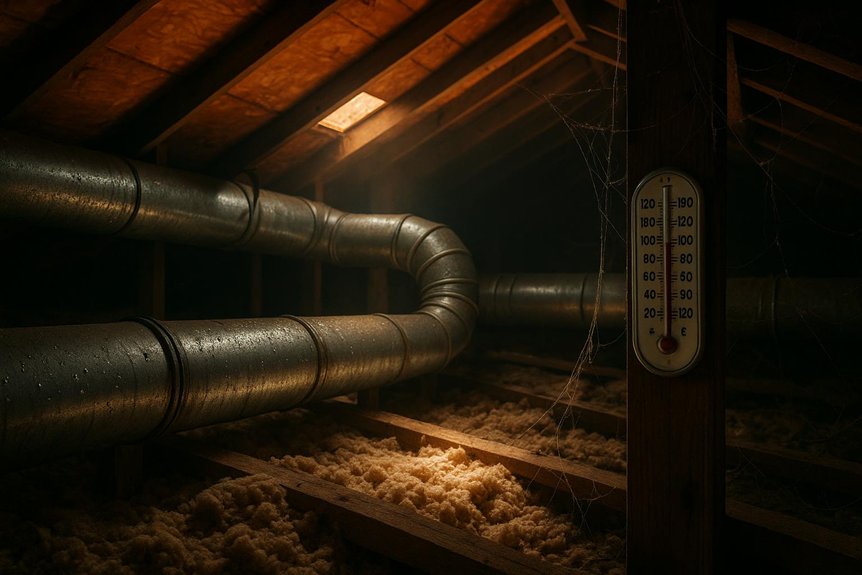
Even if your air conditioner is producing properly cooled air, that comfort can be lost before it ever reaches your rooms. In many Dallas homes, ductwork installed above the ceiling sits in an unconditioned attic where radiant heat surrounds the supply lines for hours each day. As cooled air travels through those ducts, heat transfer occurs along the metal or flex surfaces, gradually raising the temperature of the air before it exits the vents. This reduces overall cooling delivery performance, especially in rooms farthest from the air handler.
When duct insulation is compressed, aging, or improperly sealed at connection points, the system must compensate by running longer cycles to maintain thermostat settings. HVAC technicians frequently measure significant temperature differences between the air leaving the air handler and the air reaching interior vents, a clear sign of attic-related heat gain. Over time, this added runtime increases system strain, lowers efficiency, and contributes to uneven temperatures between floors. Identifying and correcting duct insulation weaknesses helps restore stronger supply air temperatures and improves total home comfort before moving on to how attic heat impacts sensitive electrical components.
How Electrical Components Fail in High-Attic Environments
When attic temperatures climb into extreme ranges, the heat doesn’t just affect airflow — it directly impacts your AC system’s electrical components. In many Dallas homes where equipment sits above the ceiling, prolonged heat exposure stresses wiring, weakens insulation, and accelerates wear inside the air handler. Overheated circuits can lead to breaker trips, delayed startups, or systems that run but struggle to cool efficiently. Over time, this electrical strain reduces overall system reliability and shortens equipment lifespan.
Constant thermal expansion and contraction inside a hot attic loosens electrical connections and weakens capacitors, relays, and contactors. In real service visits, many early-summer no-cool calls are traced back to heat-damaged capacitors or loose electrical terminals caused by sustained attic temperatures. These issues often begin weeks before a complete breakdown, making them easy to miss until performance noticeably declines.
Understanding how attic heat impacts electrical performance reinforces why routine maintenance and proper attic ventilation matter. Addressing small electrical weaknesses early helps prevent sudden shutdowns and keeps your AC operating safely and efficiently throughout peak summer demand.
Warning Signs Your Attic Is Damaging Your AC System
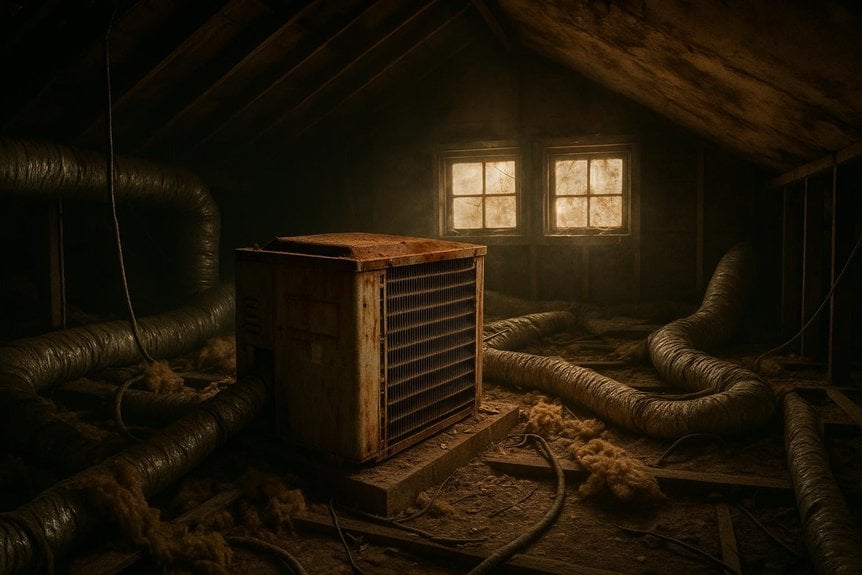
In many Dallas homes, HVAC equipment installed above the ceiling operates in extreme attic conditions long before peak summer arrives. By late spring, radiant heat buildup and poor ventilation can quietly increase system strain without obvious warning. Industry guidance from the U.S. Department of Energy explains that excessive attic heat directly reduces cooling efficiency and shortens equipment lifespan. Most homeowners don’t connect minor performance changes to attic stress until comfort declines or repair visits increase.
- Extended Run Cycles — Your system runs longer but struggles to satisfy the thermostat.
- Weakened Airflow — Air from vents feels softer or less forceful than normal.
- Lukewarm Supply Air — Cooling feels mild due to heat gain in attic ductwork.
- Repeated Part Failures — Capacitors or contactors weaken faster in hot environments.
- Elevated Indoor Humidity — Runtime increases while moisture removal declines.
- Early Utility Spikes — Energy bills climb before peak summer temperatures arrive.
These warning signs typically appear weeks before a full breakdown. When attic heat continues unchecked, small efficiency losses compound into compressor strain and premature system failure. Understanding these signals helps homeowners address attic stress before it shortens equipment lifespan.
The Long-Term Cost of Ignoring Attic-Related AC Stress
Identifying early attic-related warning signs is important, but ignoring them is where real costs begin for Dallas homeowners. In many North Texas homes, HVAC systems installed in the attic operate in temperatures far higher than those reported by the National Weather Service, placing constant strain on electrical components, refrigerant lines, and duct connections. That ongoing heat exposure gradually reduces system efficiency and increases overall runtime.
As cooling cycles become longer, you may notice higher electricity usage, especially during heavy demand periods managed by Oncor Electric Delivery. What often starts as minor performance loss can turn into repeated capacitor failures, airflow problems, and declining cooling output. Instead of one simple repair, homeowners frequently face multiple service calls during the same season.
Over time, this sustained attic stress can shorten equipment lifespan and lead to premature AC replacement. Fortunately, these problems develop gradually, which means they can be detected early through proper inspections and preventive service.
That is why the next step is understanding how attic inspections and maintenance help protect your system before summer demand intensifies.
How Attic Inspections and Preventive Maintenance Protect Your System
Once you understand how attic heat quietly shortens equipment life, the next step is preventing that damage before it turns into repeated repairs. In many Dallas homes, especially those with air handlers and ductwork installed above the ceiling, the attic becomes the hidden stress zone of the entire cooling system. By late spring, radiant heat buildup has already begun placing strain on electrical components, refrigerant lines, and airflow pathways.
A thorough attic-focused maintenance visit addresses the specific conditions that cause this early stress. Rather than waiting for a capacitor failure or airflow complaint in July, preventive service focuses on stabilizing performance before the system enters peak summer demand.
Proper maintenance delivers real, measurable benefits:
- Lower Cooling Costs — Sealed duct connections and calibrated airflow reduce unnecessary runtime.
- Reduced Emergency Repairs — Heat-stressed components are identified before they fail under summer load.
- Stronger Air Distribution — Static pressure testing ensures cooled air reaches every room evenly.
- Longer Equipment Life — Limiting attic-related strain protects motors, wiring, and control boards.
- Improved Comfort Upstairs — Insulation and airflow adjustments reduce second-floor heat buildup.
- Greater Summer Reliability — A system prepared in spring handles Dallas heatwaves with fewer interruptions.
Many mid-summer breakdowns can be traced back to small attic-related issues that were never properly inspected in the spring. Choosing an experienced HVAC team for your AC maintenance ensures those hidden stress points are identified and corrected early. A detailed, attic-focused service visit helps your system operate reliably through Dallas heat without unnecessary repairs or performance decline.
Why Choose Pro Active Air Conditioning in Dallas?

Attic-related cooling problems require more than a basic system check. At Pro Active Air Conditioning, we focus on identifying how attic heat affects your air handler, ductwork, and electrical components before those issues turn into costly breakdowns. With over 15 years of hands-on HVAC experience, we understand how Dallas attic conditions silently shorten equipment life and reduce cooling performance long before summer peaks.
As a NATE-certified HVAC team, we use advanced diagnostic testing to measure airflow loss, duct heat gain, and heat-related electrical strain. Whether you need preventative AC maintenance to protect your system before summer or professional AC repair to correct existing attic-related damage, we pinpoint the root cause and fix it properly the first time. Schedule your inspection early and ensure your system is ready to handle Dallas heat without unexpected interruptions.