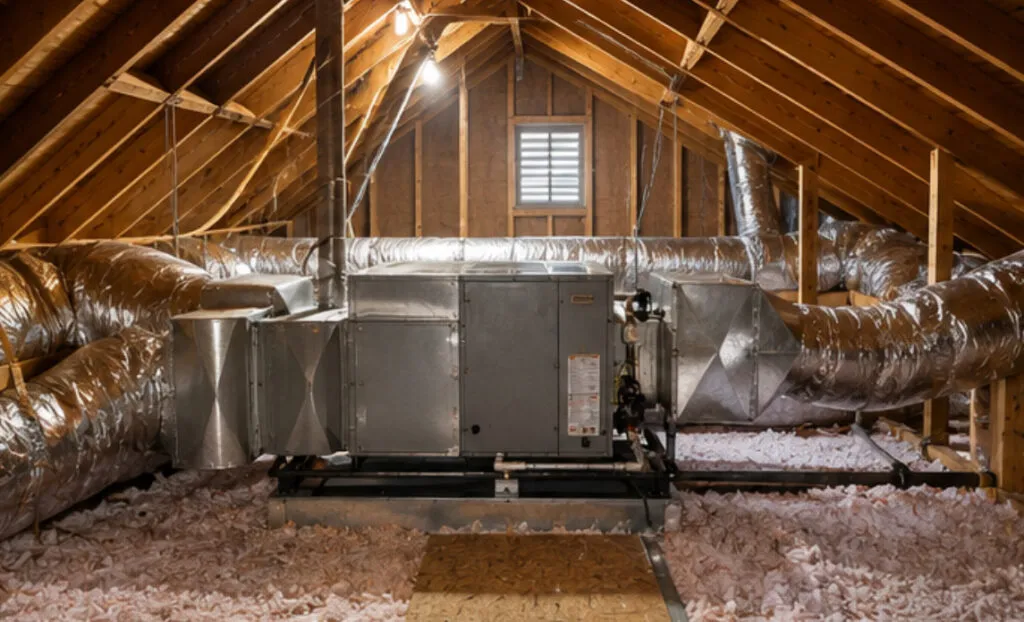
Hey Dallas, Is Your Heat Pump Acting Up? Let’s Spot The Signs And Fix It Together!
Discovering issues with your heat pump early can save you from skyrocketing energy bills and costly repairs. In this guide, you’ll learn how to identify the signs your heat pump is malfunctioning by recognizing performance drops, strange noises, freezing or leaks, irregular cycling, electrical failures, simple DIY checks, and the importance of regular maintenance.
You’ll gain practical insights to inspect thermostat settings, air filters, outdoor units, and wiring before calling your trusted heating repair experts in Dallas. Let’s dive into each warning indicator and arm you with the knowledge to keep your system running smoothly.
Top Reasons Why Your Dallas Heat Pump May Be Slacking
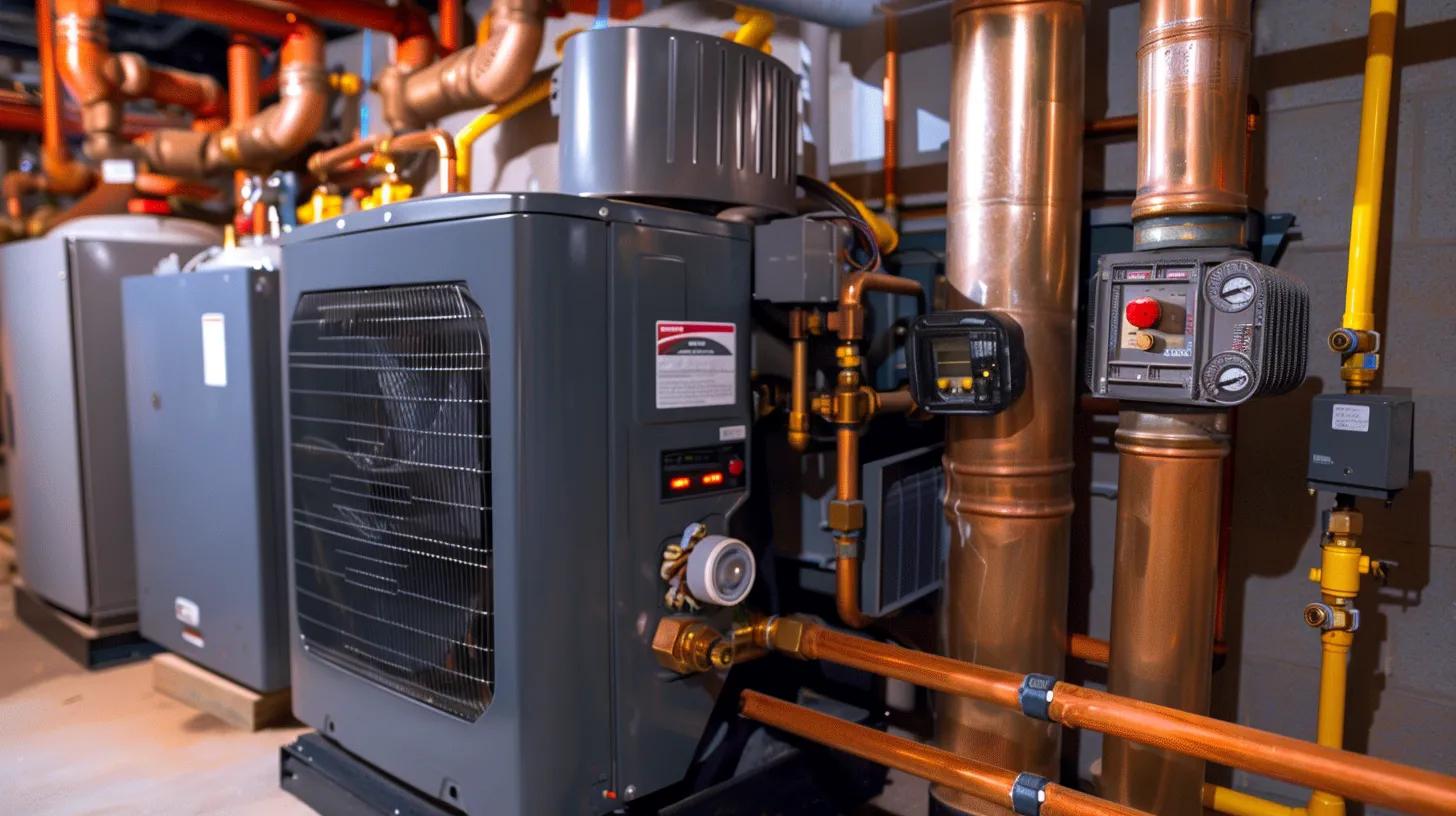
Heating and cooling specialists in Stevens Park Village suggest that a heat pump that cannot transfer heat effectively will leave rooms unevenly warm or cool, drive up energy consumption, and undermine home comfort.
Performance issues often signal thermostat misalignment, airflow restrictions, low refrigerant, outdoor unit blockages, or reversing valve failures, all of which require swift attention to prevent further damage.
Incorrect Thermostat Settings
When your thermostat isn’t set right, your heat pump can’t work its magic. If the heat mode is set too low, it’ll stay idle, blowing cold air during winter. To get your home cozy, make sure the thermostat is set to “Heat” when temperatures drop below 60°F.
This simple adjustment ensures your heat pump is heating efficiently, keeping your home comfortable all season. Double-check your settings and schedule to keep everything running smoothly and your home warm!
Dirty Air Filters
Clogged filters restrict airflow, forcing the fan motor to work harder and reducing heat exchange across coils. Restricted airflow can lead to ice forming on indoor evaporator coils in cooling mode or overheating in heating mode.
Replacing or cleaning filters every 1–3 months maintains proper air volume, prevents frost buildup, and sustains energy-efficient operation.
Low Refrigerant Levels
Low refrigerant manifests as diminished heating capacity, longer run times, and ice accumulation on coils. You may notice lukewarm air during heat cycles or consistently high humidity indoors. Hissing or bubbling sounds can accompany leaks, indicating refrigerant escaping under pressure.
This usually points to the fact that professional HVAC technicians must locate and repair leaks before recharging the system to restore heat transfer effectiveness.
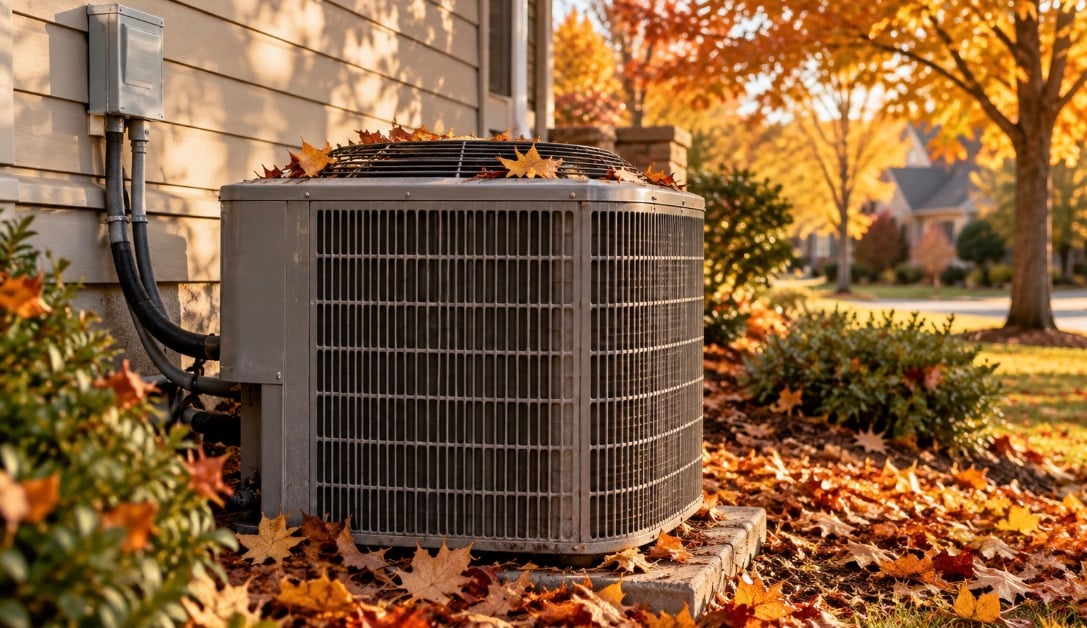
Blocked Outdoor Unit
Leaves, grass clippings, and debris around the outdoor condenser coil impede air movement, reducing the pump’s ability to reject heat in cooling or absorb warmth in heating. Restricted outdoor airflow forces the compressor to operate continuously, accelerating wear and raising electricity use.
Clearing a two-foot radius around the unit and trimming nearby vegetation ensures unobstructed heat exchange and prolongs equipment life.
Faulty Reversing Valve
If your heat pump starts blowing cold air when it’s set to heat, the reversing valve might be the culprit. This valve controls the refrigerant flow, and if it’s stuck or fails, it can mess with your heating. You might notice that your heat pump stops providing warm air even though the thermostat is set correctly. Here’s what you should look out for:
- Sudden cold air blowing when it should be warm
- No warm air output despite correct thermostat settings
- Strange noises or the system acting oddly
Fixing a malfunctioning valve requires certified HVAC expertise to ensure everything runs smoothly and keeps your system under warranty.
The 4 Strange Noises Your Heat Pump Might Make And What They Mean
Unusual sounds from your heat pump are often a sign that something’s not right inside. These noises can indicate stress or failure in key components like the fan, motor, or compressor. By paying attention to these sounds early on, you can prevent bigger issues down the line and avoid a major breakdown.
Catching them early means you can schedule timely service and get your heat pump back to running smoothly, keeping your home comfortable year-round.
1. Hissing Or Bubbling
If you hear a hissing or bubbling sound coming from your heat pump, it’s a huge red flag! You might have a refrigerant leak. When refrigerant escapes through tiny cracks, it lowers the system’s pressure, making it harder for the heat pump to absorb heat and causing your energy bills to rise. Here’s what to watch out for:
- A steady hissing or bubbling noise near the cabinet
- Reduced heating performance despite the thermostat being set right
- Higher energy bills than usual
- Frost or ice buildup on the heat pump’s coils
Reliable HVAC heating pros in Whispering Hills note that if you catch this early, prompt leak detection and sealing can save your system from further damage, boost efficiency, and keep your home comfortable.
2. Grinding Or Clanking
Grinding or clanking sounds from your heat pump usually happen when the blower motor bearings wear out or if debris gets in the way of the blades. If left unchecked, this friction can cause the motor to seize or damage the fan assembly, leading to costly repairs.
To keep your heat pump heating smoothly, regular cleaning and lubrication are key. This simple maintenance helps prevent mechanical failure and ensures your system runs quietly and efficiently all winter long.
3. Rattling Or Vibration
Rattling or vibrating noises from your heat pump are often caused by loose panels, mounting brackets, or internal parts. These vibrations travel through the ductwork, making the noise even more noticeable.
To keep things quiet and efficient, tightening screws, securing panels, and adding insulation to contact points can help eliminate the noise. This simple fix ensures your heat pump stays stable and runs smoothly, providing consistent warmth without the distractions of unwanted sounds.
4. Screeching Or Squealing
High-pitched screeching from your heat pump usually means there’s an issue with the fan belt or a misaligned motor. Over time, belt tensioners lose elasticity, causing slippage and that annoying squealing sound.
To keep your heat pump running smoothly and quietly, regular inspections and belt replacements every few years are key. Here’s what to look for:
- High-pitched squealing or screeching noises during operation
- Loss of airflow or uneven heating
- The motor is struggling to turn the fan
- Difficulty maintaining a consistent temperature
- Decreased system efficiency
Addressing these issues early ensures smooth, quiet operation and keeps your heat pump performing at its best.
Is Your Heat Pump Freezing Up Or Leaking Water? Here’s How To Tell

Ice buildup and water leaks are common issues that often stem from refrigerant problems or blocked drainage. Understanding the causes behind these issues can help you take action before they lead to bigger, more costly damage.
Frozen Evaporator Coils
If you notice frost building up on the indoor coil, accompanied by reduced airflow, your heat pump may have frozen evaporator coils. This causes the system to shut down to protect the compressor. Here’s what to watch for:
- Ice or frost buildup on the indoor evaporator coil
- Decreased airflow or weak warm air
- The system turns off automatically to prevent damage
To fix this, your heat pump will need to be defrosted and checked for underlying issues like airflow blockages or low refrigerant levels.
Low Refrigerant
A low refrigerant level disrupts the normal temperature regulation in the coils, causing moisture in the air to freeze on their surfaces. As the ice builds, the heat pump struggles to transfer heat, and your compressor is at risk of overheating.
Fixing refrigerant leaks and recharging the system can stop the freezing and get your heat pump back to optimal performance. Certified HVAC service providers in Trinity Groves can help identify and seal any refrigerant leaks, restoring your system to full functionality.
Clogged Condensate Drain Lines
A clogged condensate drain line is another issue that can lead to water leakage. When the drain line is blocked, the water can’t properly exit the system, causing it to pool inside the air handler or overflow pan. This can lead to several problems:
- Water damage to insulation or other components
- Mold or mildew growth due to trapped moisture
- The system may shut down to prevent further damage
Flushing the drain line with a mild bleach solution every six months can help maintain proper drainage and protect your heat pump from water damage.
Preventing Ice Buildup And Leaks In Your Heat Pump
Routine maintenance is the best way to keep your heat pump running smoothly. Here are some tips to avoid ice buildup and water leaks:
- Schedule annual inspections to check for refrigerant leaks
- Keep the air filters and coils clean to maintain proper airflow
- Flush the condensate drain line every six months to prevent clogs
With regular upkeep, your heat pump will continue to perform efficiently, providing the warmth you need all winter long.
Why Is Your Heat Pump Short-Cycling or Running Nonstop?
If your heat pump is short-cycling (rapid on/off cycles) or running constantly, it can stress out your system and lead to higher energy bills. Identifying the root causes can help restore balanced run times and improve overall efficiency. Let’s break down the common issues that could be at play:
Clogged Air Filters: The Silent Culprit
When your air filters are clogged, they restrict airflow, which can cause a couple of problems:
- Short Cycling: The system overheats and shuts down prematurely.
- Constant Running: The system works overtime trying to meet your temperature setpoints.
Replacing filters regularly ensures proper airflow, balanced run times, and consistent home comfort.
Oversized Heat Pump
An oversized heat pump can also cause short cycling. When the unit heats or cools too quickly, it hits the thermostat setpoint before completing a full cycle. This leads to:
- Increased wear on the compressor
- Higher humidity levels indoors
Getting the right-sized unit for your home’s needs, based on proper load calculations, ensures optimal performance and energy efficiency.
Low Refrigerant Levels
If your refrigerant is low, your heat pump can’t absorb heat properly, causing the system to either run too often or for too long to meet the thermostat’s demands.
This affects your heating efficiency and the overall lifespan of your system. Keeping the refrigerant levels topped up ensures balanced cycles and a healthier system.
Faulty Thermostats
A malfunctioning thermostat can throw off your heat pump’s cycles by misreading room temperatures or failing to send proper signals to the system. You may notice:
- Erratic on/off cycles
- Inconsistent home temperature
Swapping out old batteries and checking the thermostat’s sensor functions can prevent this and ensure smooth operation.
Power Problems
Power issues, like a tripped circuit breaker or wiring problems, could prevent your heat pump from starting. Here’s how to troubleshoot:
- Tripped Circuit Breaker: If your breaker keeps tripping, it indicates an overload or internal fault, requiring professional diagnosis.
- Wiring Issues: Loose or corroded connections can disrupt power flow, making your heat pump unresponsive. Tightening connections can sometimes fix the problem, but more complex issues may require a reliable HVAC expert.
Faulty Capacitors
Capacitors provide the power your heat pump needs to start up and keep running. If the capacitor is faulty, you may hear a humming sound without fan movement or notice erratic compressor starts.
Regular maintenance and timely repairs can prevent many of these issues, ensuring your heat pump operates efficiently and effectively. For expert assistance, reach out to certified HVAC service providers in Trinity Groves!
How Can Homeowners Troubleshoot Heat Pump Issues Before Calling An HVAC Professional?
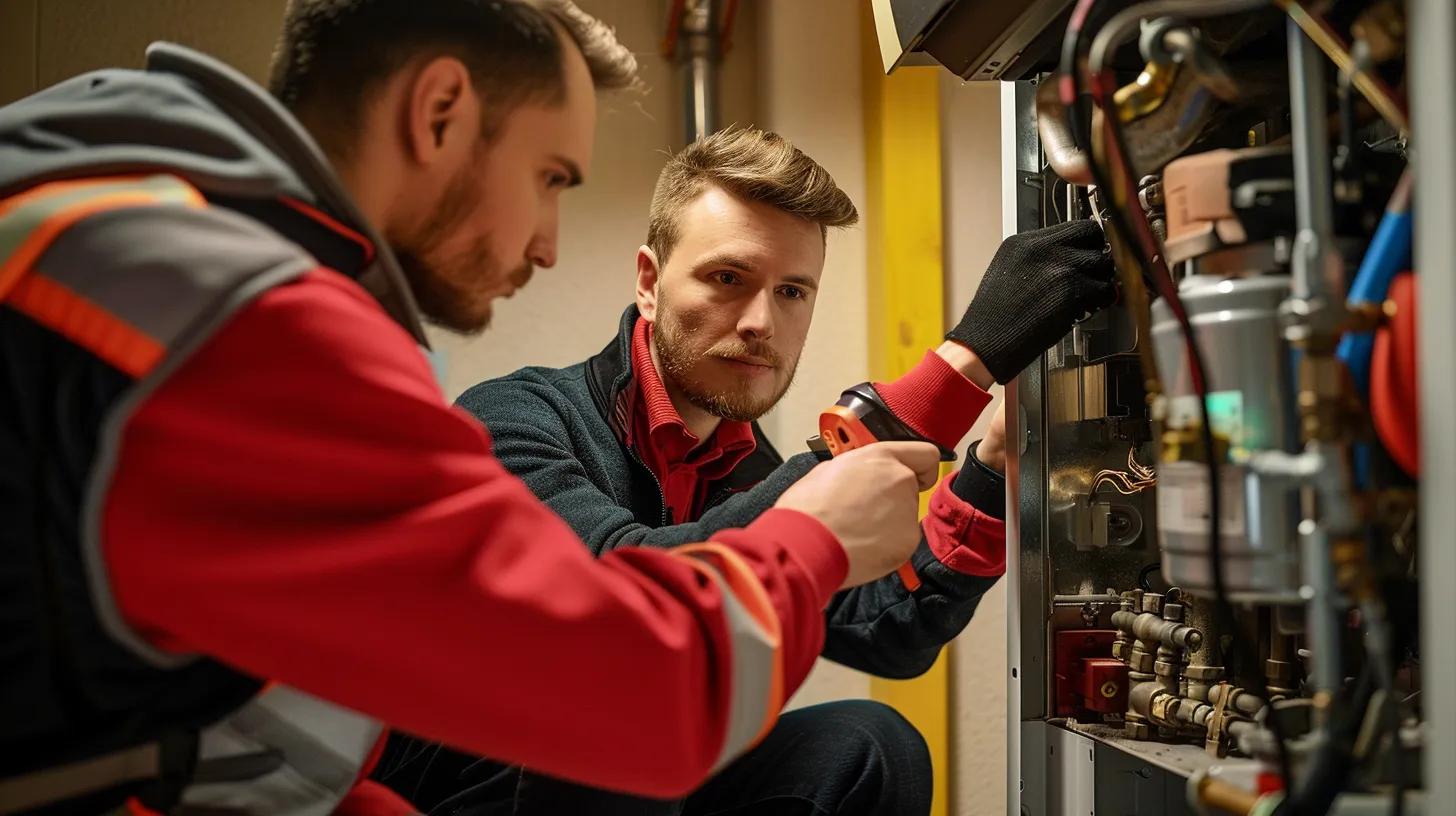
Performing a few safe, simple checks narrows down potential issues and prepares you for a more efficient service call. Review the table below to guide basic inspections:
| Step | Purpose | Outcome |
|---|---|---|
| Verify thermostat mode | Ensure correct heat or cool setting and target temp | Restores proper function if misset |
| Inspect the air filter | Check for dust or blockage | Improved airflow and reduced cycling issues |
| Clear outdoor debris | Remove leaves and buildup around the condenser | Unobstructed heat exchange and efficiency |
| Reset breaker | Switch off/on the heat pump circuit breaker | Restores power unless the underlying fault persists |
Running through these steps helps you distinguish between minor adjustments and issues requiring expert assistance from your trusted heating contractors in Winnetka Heights. If problems persist after basic troubleshooting, professional diagnostics ensure safe, thorough solutions.
How Does Regular Maintenance Prevent Heat Pump Malfunctions?
Consistent maintenance keeps each component in ideal condition, reduces breakdown risk, and maximizes longevity. Investing in scheduled service plans preserves comfort and energy efficiency year-round.
Before diving into task details, consider this maintenance breakdown:
| Maintenance Task | Frequency | Expected Benefit |
|---|---|---|
| Filter replacement | Every 1–3 months | Balanced airflow and lower energy consumption |
| Coil cleaning | Annually | Optimal heat transfer and system efficiency |
| Refrigerant level check | Annually | Precise refrigerant charge and performance |
| Electrical inspection | Annually | Safe wiring and reliable startup |
Key Maintenance Tasks to Keep Your Heat Pump Running Smoothly
Reliable heating and cooling technicians in Bonton suggest the following steps for Dallas homeowners to ensure their heating system runs smoothly.
- Changing filters
- Cleaning coils
- Checking refrigerant pressure
- Tightening electrical connections
- Inspecting duct seals
- Calibrating thermostats
Following these simple steps further prevents efficiency losses and improves indoor air quality.
How Much Can Maintenance Improve Heat Pump Efficiency and Lifespan?
Routine maintenance can boost your heat pump’s efficiency by up to 25% and extend its lifespan for several years. Taking a proactive approach to upkeep helps reduce energy costs, prevent major repairs, and keep your home comfortable all year round. Here are five key benefits of regular maintenance:
- Improved Efficiency: Routine checks keep the system running smoothly, improving energy efficiency and lowering utility bills.
- Extended Equipment Lifespan: Proper care prevents wear and tear, helping your heat pump last longer and avoiding premature replacements.
- Fewer Emergency Repairs: Regular maintenance helps catch minor issues before they become major breakdowns, reducing the need for expensive emergency repairs.
- Consistent Comfort: A well-maintained heat pump keeps your home at the perfect temperature, providing reliable heating throughout the season.
- Better Air Quality: Cleaning filters and coils improves airflow and reduces the spread of dust and allergens, creating a healthier indoor environment.
By scheduling regular maintenance, you’ll ensure your heat pump continues to operate at peak performance, providing reliable, cost-effective comfort for years to come.
Proactive Air Conditioning – Dallas’s Most Trusted HVAC Contractor
Proactive Air Conditioning offers heat pump maintenance for Greenway Park residents, including biannual inspections, priority emergency service, and affordable financing. Our certified technicians provide affordable financing without compromising service quality.
By spotting early signs of issues like strange noises, poor performance, or freezing symptoms, and performing basic checks, you can address small problems before they escalate. Regular maintenance keeps your system running efficiently and your home comfortable year-round.
Don’t wait for a breakdown—contact Proactive Air Conditioning today to schedule your maintenance!