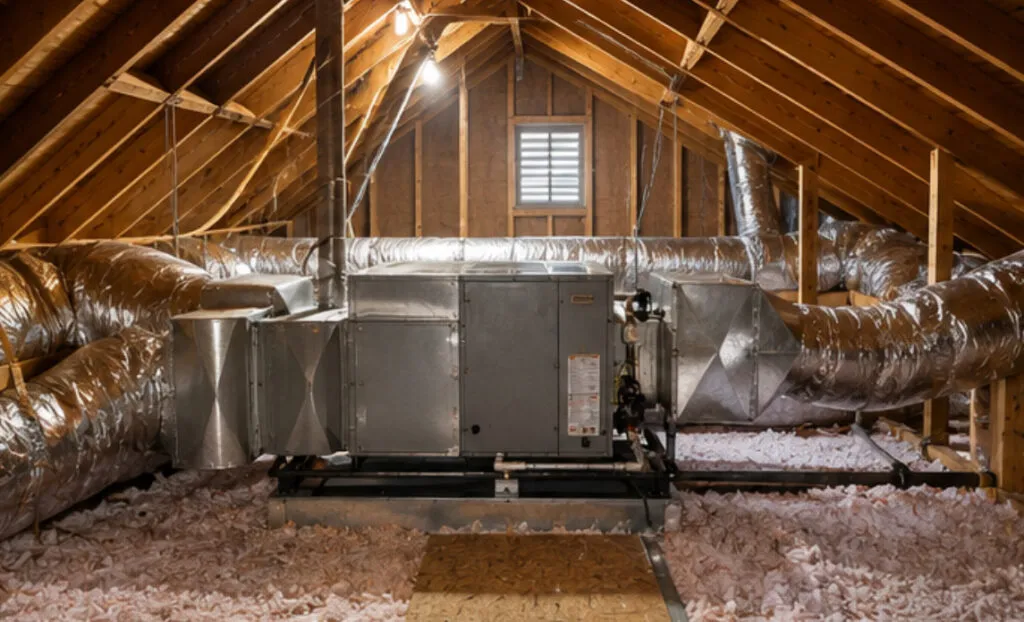
Optimize Your Furnace Installation In Dallas With This Zoning Maintenance Checklist
Are you a Dallas homeowner looking to maximize your new furnace installation? A poor HVAC zoning setup can cause hot and cold spots, wasted energy, and costly repairs.
This guide covers everything from proper zoning design and installation to ongoing maintenance and cost considerations. We’ll help you avoid common mistakes, ensure a smooth installation, and keep your system running efficiently for years to come. Let’s dive in!
Why Proper Furnace Installation And HVAC Zoning Are Game-Changers For Dallas Homeowners
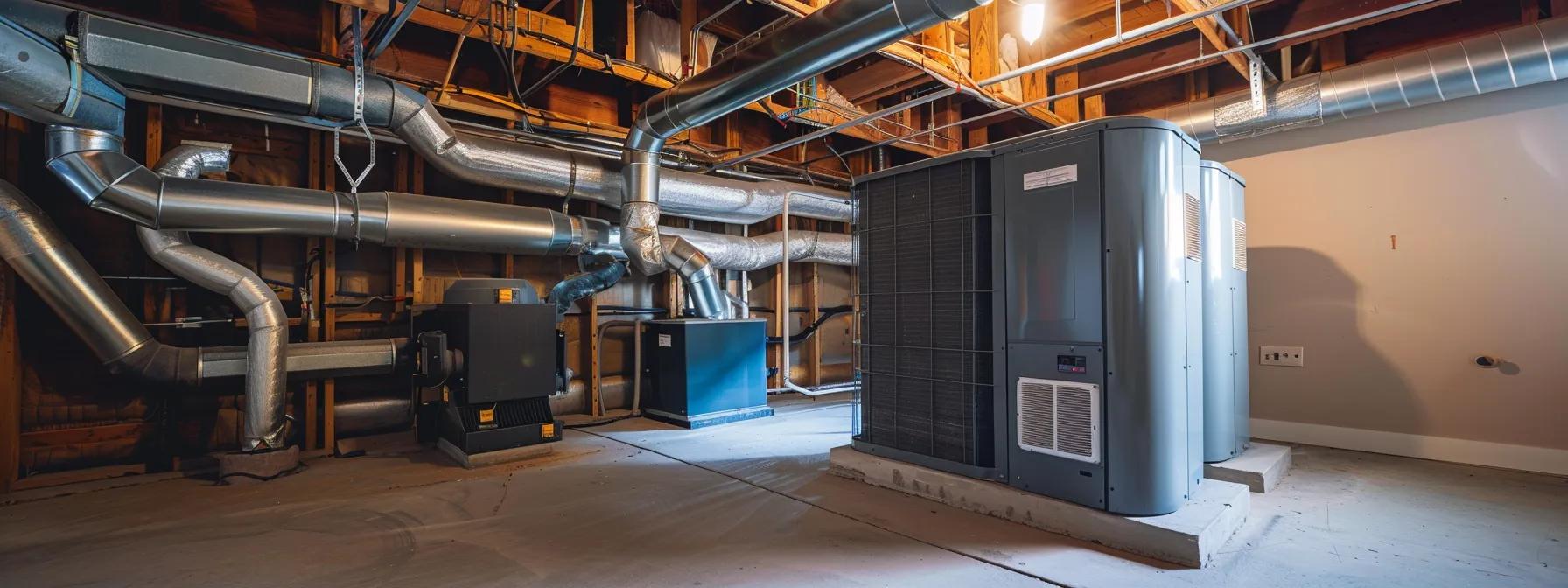
Did you know that a properly installed furnace with a zoned heating HVAC system is a game-changer for University Park homeowners? It ensures precise heating control and safety, keeping your home warm and comfortable all year round.
Zoning technology divides your space into different temperature zones, reducing energy waste and easing the strain on your system. This means lower utility bills and a longer-lasting furnace!
- Enhanced Comfort: Enjoy personalized temperatures in every room.
- Energy Savings: Only heat the spaces you use, cutting fuel and electric costs.
- Reduced Equipment Strain: Prevents short-cycling, improving system longevity.
- Improved Air Quality: Zone-specific airflow helps limit dust and allergens.
With proper zoning, you’ll not only boost comfort but also maximize energy efficiency in your home.
How HVAC Zoning Impacts Furnace Installation, Energy Efficiency, And Comfort
HVAC zoning is key to a successful furnace installation. It boosts energy efficiency by heating only the areas in use, cutting energy waste, and reducing utility bills. Zoning also prevents strain on your system, extending your furnace’s lifespan by avoiding overuse and short-cycling.
Beyond energy savings, zoning ensures consistent comfort across your home. Each zone can maintain its ideal temperature, perfect for adapting to the varied climate. This tailored approach enhances comfort while optimizing system performance for the long term.
How Does Dallas Climate Impact Furnace And Zoning System Performance?
Dallas’s hot summers and mild winters demand a furnace that cycles smoothly without overworking during colder seasons. High humidity in spring and fall can strain ductwork seals and dampers, while temperature swings force frequent on/off cycles.
Proper zoning mitigates these effects by directing heat only where needed, preventing humidity buildup in unused areas, and reducing overall runtime. Recognizing these climate factors upfront ensures a zoning design tailored to local weather patterns and home layout.
What Are the Key Benefits Of HVAC Zoning For Energy Efficiency
HVAC zoning offers homeowners in Lakewood Hills and Swiss Avenue personalized control over their indoor climate. With separate thermostats for each zone, you can adjust temperatures to suit the specific needs of individual rooms, enhancing comfort throughout your home.
By targeting heating to only the areas you use, zoning helps your furnace run at peak efficiency, reducing energy waste and cutting down on utility bills. This not only saves you money but also eases the load on your system.
Even distribution of heating across your home prevents undue strain on components like the motor and heat exchanger, extending the life of your furnace. These benefits align with the priorities of Dallas homeowners, ensuring optimal comfort, energy savings, and long-term durability in our city’s ever-changing climate.
How Does Professional Furnace Installation Prevent Common HVAC Mistakes?
Professional furnace installation is the key to avoiding costly mistakes and ensuring your system runs smoothly from the start. With certified technicians handling the job, you’re guaranteed expert precision and top-notch quality. Here’s what they’ll do:
- Accurate load calculations: Ensures your furnace is the perfect size for your home, so no more overheating or underheating!
- Sealing and insulating ductwork: Prevents energy loss and optimizes airflow.
- Installing compliant gas lines and venting: Guarantees safety and proper system operation.
- Calibrating furnace controls: Maximizes efficiency and performance from day one.
This thorough approach not only boosts your furnace’s performance but also helps prevent common pitfalls, saving you from costly repairs and unnecessary stress. With professional installation, you’re investing in long-term comfort, energy savings, and peace of mind for years to come!
What Are The Critical Steps In Your Pre-Installation Furnace And Zoning Checklist?
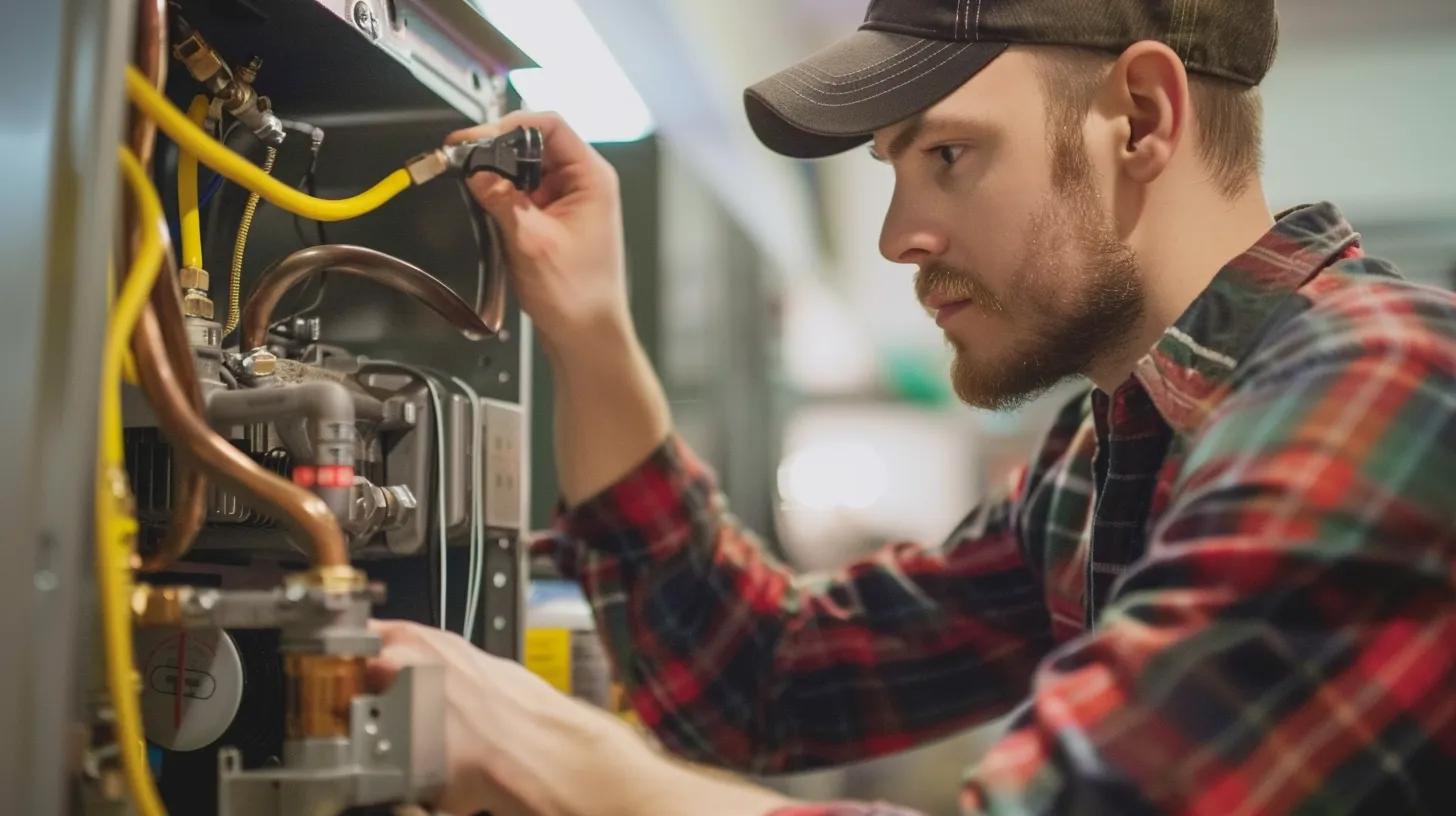
Before installation crews arrive, taking proactive measures ensures a smooth process and reliable outcome. Preparation for furnace installation falls into three key steps:
Step 1 – Assessing Your Home’s Heating Needs And Zoning Potential In Dallas
Assessing heating requirements starts with a Manual J load calculation, which determines the exact capacity your furnace must deliver based on home size, insulation levels, window areas, and local temperature data.
Evaluating existing ductwork layout, structural obstacles, and preferred thermostatic zones completes the picture. This data-driven analysis ensures accurate furnace sizing and zone planning.
| Home Characteristic | Measurement Considered | Impact on Design |
|---|---|---|
| Square Footage | Total heated area (ft²) | Determines base furnace capacity |
| Insulation Quality | R-value of walls/attic | Affects heat loss and runtime |
| Window Type | Single vs. double pane | Influences localized temperature zones |
| Duct Configuration | Duct length & diameter | Impacts airflow balance and damper specs |
Step 2 – Choosing The Right Furnace And Zoning System
When selecting a furnace for your Dallas home, focus on the AFUE rating. Choose a unit with a rating of 95% or higher for better efficiency and lower bills during our variable winters.
Consider adding smart thermostat integration and zone control panels for easy temperature management and energy tracking. These features let you control settings remotely and optimize comfort.
Look for trusted brands with solid warranties to ensure reliability, especially in Dallas’s humid climate.
Key features to consider:
- AFUE Rating: Higher percentages mean less fuel consumption.
- Two-Stage or Modulating Burners: Provide better temperature control and less cycling.
- Smart Thermostat Integration: Allows remote scheduling and energy tracking.
Once you’ve chosen your system, the next step is preparing your home for installation!
Step 3 – Preparing Your Dallas Home For Furnace Installation
A well-prepared work area keeps installation on schedule and protects your home. Dallas’s best HVAC Heating Experts suggest that you secure pets, clear furniture away from the furnace room, and confirm permit approvals with the City of Dallas’s Building Inspections division.
Ensure access to electrical panels and gas shut-off valves, and plan for ventilation clearance around the furnace cabinet. Follow these three steps to ensure reliable and expert furnace installation.
- Confirm Permit Approval: Verify all city and HOA requirements are met.
- Clear Work Zone: Create a 3-foot clearance around the installation site.
- Secure Utilities: Locate and label gas and electrical shut-offs.
With the site prepared, installers can proceed efficiently, minimizing disruption.
Top Furnace Installation Mistakes Dallas Homeowners Must Avoid
Avoiding pitfalls during your initial furnace setup prevents comfort issues, energy waste, and safety hazards. Here are the top four mistakes Reinhardt homeowners make and how expert HVAC contractors counter them:
| Mistake | Impact | Professional Solution |
|---|---|---|
| Incorrect Furnace Sizing | Short-cycling or overworking | Exact Manual J load calculation and equipment match |
| Improper Ductwork Sealing | Uneven airflow and energy loss | Thorough duct inspection, sealing, and insulation |
| Faulty Ventilation and Gas Line Connections | Carbon monoxide risk or gas leaks | Pressure testing and safety-compliant venting |
| Skipping Post-Installation Verification | Undetected airflow imbalances or leaks | Detailed commissioning tests and homeowner demo |
Preventing these errors from the outset ensures reliable performance and peace of mind.
Why Proper Furnace Sizing Is Key To Preventing Short-Cycling And Overworking
Correct sizing aligns furnace capacity with calculated heating load, preventing short-cycling (furnace turns on/off too quickly) and overworking (continuous operation).
Short-cycling increases wear and spikes energy use, while overworking strains components and reduces lifespan. Professional load calculations create a perfect match for your home’s unique thermal profile and zoning layout.
How Can Improper Ductwork Affect Your Zoned HVAC System’s Efficiency?
Leaky or undersized ducts undermine zoning by failing to deliver proper airflow to designated zones. Pressure imbalances cause some dampers to close against high static pressure, reducing comfort and forcing increased fan speeds.
Sealing leaks, resizing runs, and balancing registers ensure each zone receives its intended airflow for maximum efficiency.
Ventilation And Gas Line Errors You Should Keep An Eye Out For
Unsafe venting or loose gas fittings can lead to dangerous carbon monoxide buildup or gas leaks. Common errors include incorrect draft hood alignment, inadequate flue termination height, and improperly torqued gas connectors.
Meticulous installation of vent piping, pressure testing, and carbon monoxide detector calibration eliminates these risks entirely.
Why Post-Installation Checks Are Essential For Your Zoned Furnace System
Post-installation verification ensures that your zoned furnace system is working as it should. Technicians check airflow at each register, verify damper function and thermostat calibration, and conduct combustion analysis to ensure efficient, clean fuel burn.
This final step ensures everything is operating safely and efficiently, boosting system reliability and giving homeowners peace of mind about their investment.
How Do You Verify And Maintain Your Zoned Furnace System After Installation?
Routine checks and seasonal tune-ups in Dallas vicinities like Lakewood Hills and Uptown are critical for preserving efficiency and preventing disruptions. Create a maintenance routine that blends regular homeowner inspections with professional servicing to keep your furnace and HVAC heating system running smoothly.
Essential Post-Installation Checks For Zoned Furnace Systems
After installing a zoned Furnace, thorough post-installation checks are crucial to ensure optimal performance and safety. Here are the key checks performed by certified HVAC heating technicians:
- Airflow Measurement: Technicians measure the cubic feet per minute (CFM) at each zone to ensure it aligns with design specifications. This ensures each area of the home receives the right amount of air for consistent comfort.
- Gas Leak and CO Test: Using electronic detectors, technicians check for any potential gas leaks or carbon monoxide issues, ensuring the system operates safely and minimizing health risks.
- Thermostat Calibration: Technicians verify that each thermostat is calibrated correctly and is reading and maintaining the set-point accurately for every zone. This ensures precise temperature control.
- Damper Function Test: The dampers, which control airflow to each zone, are cycled to confirm they open and close smoothly and reliably. This step ensures each room receives the desired airflow without interruption.
Completing these checks at installation ensures your system runs efficiently from the start and helps set the foundation for a well-maintained, high-performing HVAC system over time. These checks also provide valuable insights for future maintenance needs, enhancing the system’s longevity and reliability.
Your Must-Have Seasonal Furnace Maintenance Checklist for Dallas Homeowners
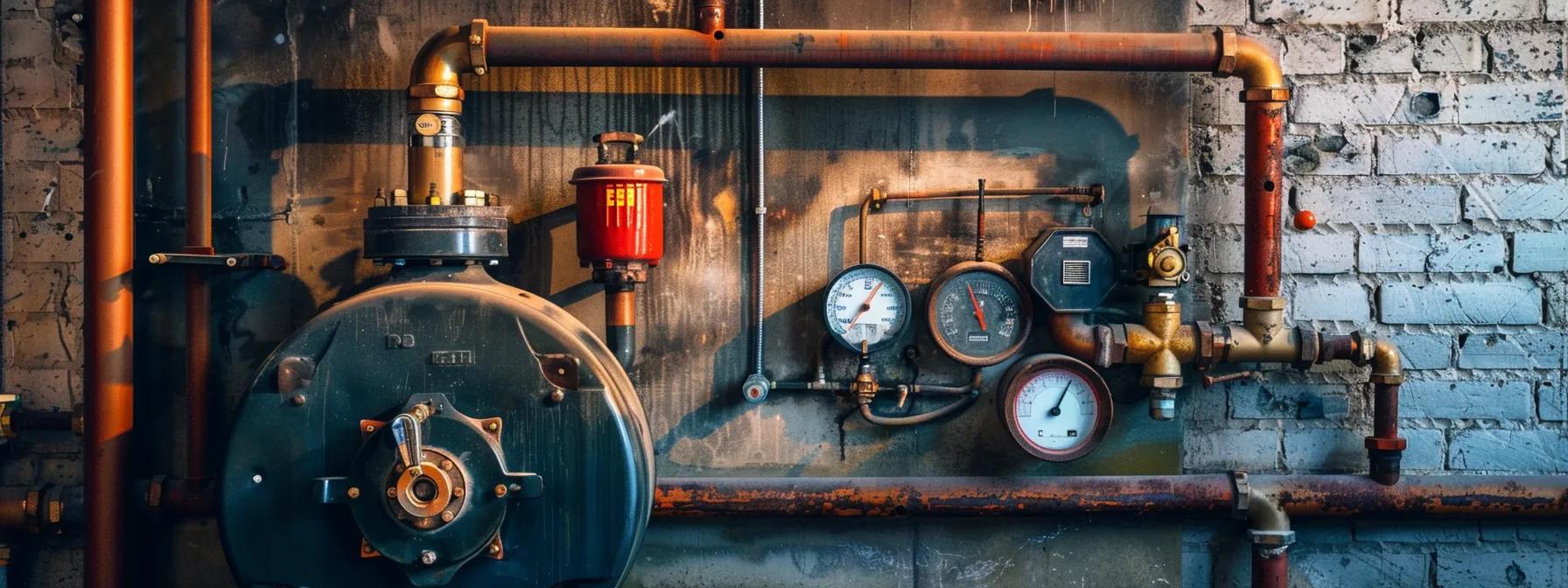
Keeping your furnace in top shape is essential for staying warm during Dallas’ unpredictable winters. Regular maintenance ensures optimal performance, energy efficiency, and extended system life. Here’s a seasonal checklist to keep your furnace running smoothly:
1. Check And Replace The Air Filter
A clogged air filter reduces airflow and efficiency, forcing your furnace to work harder. Replace it every 1-3 months for cleaner air and better performance.
2. Inspect The Thermostat
Make sure your thermostat is calibrated correctly and responds to temperature changes. Test it by adjusting the settings and observing if the furnace kicks on at the right times.
- Ensure it’s set to heating mode.
- Check for loose connections or wiring issues.
- Replace batteries in programmable thermostats.
3. Clean Furnace Vents and Ducts
Dust and debris in your vents can restrict airflow and lower efficiency. Clear the vents and consider scheduling a professional duct cleaning if airflow is noticeably weak.
4. Schedule Professional Furnace Inspection
A trained technician will inspect key components, such as the heat exchanger and burner, to ensure everything is operating safely. Annual professional maintenance helps prevent costly breakdowns and improves your system’s lifespan.
5. Test The Furnace’s Safety Features
Verify that your furnace’s safety systems, like the carbon monoxide detector and shutoff switch, are working properly. This is essential to protect your home and family from any potential hazards.
- Check for leaks in the gas line.
- Test the furnace’s emergency shutoff feature.
- Ensure carbon monoxide detectors are functioning.
6. Lubricate Moving Parts
Lubricating the blower motor and other moving parts can prevent wear and tear. Regular lubrication improves efficiency and reduces the risk of breakdowns during high-use months..
How Can Regular Maintenance Extend Your Furnace And HVAC System Lifespan?
Consistent upkeep prevents debris buildup, mechanical wear, and efficiency losses. Clean burners and coils sustain optimal heat transfer, sealed ducts preserve pressure balance, and calibrated controls reduce strain on the blower motor.
Over time, these practices yield lower operating costs, fewer breakdowns, and delayed equipment replacement, maximizing the return on your HVAC investment.
Proactive Air Conditioning: Your Trusted HVAC Heating Partner For Dallas Furnace Installation and Zoning
Proactive Air Conditioning is a family-owned Dallas business committed to craftsmanship and personalized service. Our local expertise ensures we deliver tailored solutions that meet regional needs.
We prevent costly mistakes with a thorough, three-step quality review:
- Load calculation accuracy
- Duct integrity checks
- Post-installation commissioning
With decades of experience, we offer free load assessments, transparent pricing, and satisfaction guarantees for lasting comfort and efficiency. We also offer affordable financing for your HVAC needs from Greenville to Swiss Avenue, because your comfort is our priority.
Ready to get started? Call or request a free quote online today to schedule your consultation!