Dallas Winters Decoded: Should You Choose A Heat Pump Or A Furnace For Your Home?
Choosing between a heat pump and a furnace isn’t just about picking a heating system; it’s about finding the perfect balance of comfort, efficiency, and cost for your Dallas home. While winters here are usually mild, those sudden cold snaps can test your system’s reliability and your energy bills alike.
In this guide, we’ll break down everything you need to know to make the right choice for your home. You’ll learn how heat pumps and furnaces work, and which system performs best in Dallas’s unique climate. We’ll also cover how regular HVAC heating services help prevent costly surprises when temperatures drop.
By the end, you’ll have a clear understanding of when to choose a heat pump or a furnace and how the right installation and care can keep your home warm, efficient, and worry-free all winter long.
How Heat Pumps Keep Dallas Homes Comfortable Through Dallas Winters
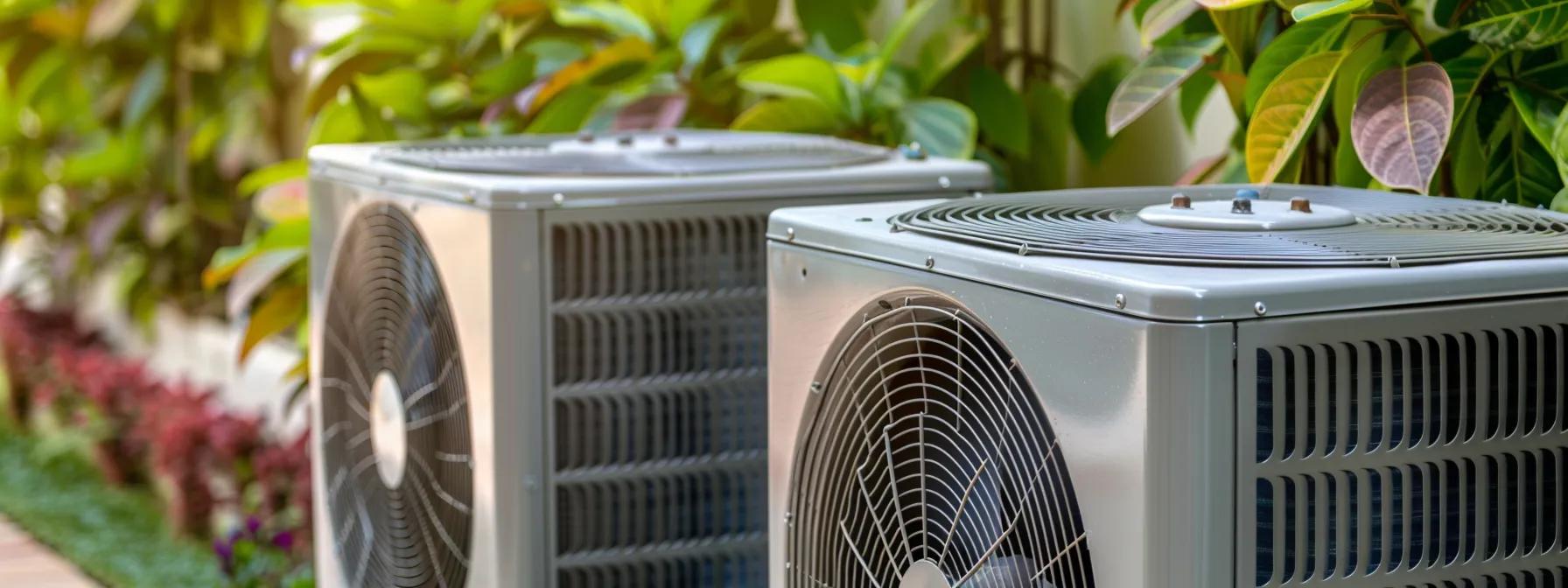
If you’re a Dallas homeowner, especially in neighborhoods like Russwood Acres, you know that winter comfort can be unpredictable. One week it’s chilly, the next it’s freezing. That’s where heat pumps shine. They’re efficient, versatile, and perfect for mild southern winters. But how exactly do they work, and why are so many homeowners switching to them? Let’s break it down.
Why Is A Heat Pump So Great For Dallas Winters?
Unlike a furnace that burns fuel to generate heat, a heat pump works like a two-way air conditioner. It transfers warmth from the outdoor air into your home, even when it’s cold outside.
Here’s the magic: with Dallas’s average winter temperatures hovering between 40°F and 60°F, heat pumps operate in their sweet spot. They can achieve 300–400% efficiency, meaning they deliver three to four times more heat energy than the electricity they consume. That translates to:
- Lower monthly energy bills
- Reduced carbon emissions
- No combustion or gas-related risks
- Built-in cooling for summer
How Heat Pumps Efficiently Move Heat Indoors
Think of a heat pump as a clever recycler of energy. It uses refrigerant and a compressor to move warmth, not make it, from one place to another. Here’s a simple breakdown of how it works:
- Outdoor coil (evaporator): absorbs heat from outside air.
- Compressor: boosts the refrigerant’s pressure and temperature.
- Indoor coil (condenser): releases the captured heat into your home.
Because the system only needs electricity to power the compressor and fans, it produces up to four times more heat per unit of energy used than traditional electric resistance heaters.
Are Heat Pumps Reliable During Dallas Cold Snaps?
Absolutely. Modern heat pumps are built to handle occasional cold fronts, especially for Trinity Groves homes. While older systems struggled below 40°F, today’s cold-climate heat pumps use advanced refrigerants and defrost cycles that keep them efficient even when the temperature dips into the 30s.
Heat pumps aren’t just about comfort; they’re about sustainability and savings. With professional HVAC heating maintenance in Dallas, these systems run efficiently year-round while minimizing your carbon footprint.
What Are The Energy Efficiency Ratings Of Heat Pumps In Dallas?
When choosing a new heat pump for your Dallas home, understanding energy efficiency ratings can make a big difference in comfort and long-term savings. Two key numbers tell the story:
- SEER (Seasonal Energy Efficiency Ratio) – measures how efficiently your system cools in summer.
- HSPF (Heating Seasonal Performance Factor) – measures how efficiently it heats in winter.
The higher the rating, the less energy your system uses to maintain a comfortable temperature. Modern heat pumps typically range from 14 to 22 SEER and 8 to 11 HSPF. Here’s a simple look at what those ratings mean for your wallet:
| Model Type | SEER Rating | HSPF Rating | Annual Energy Savings |
|---|---|---|---|
| Standard Air-Source | 14 | 8 | Baseline performance |
| High-Efficiency Unit | 20 | 10 | 20–30% lower bills |
| Ductless Mini-Split | 18 | 9 | 15–25% lower bills |
| Geothermal Loop System | – | 12 | 30–40% lower bills |
Upgrading from a standard 14 SEER / 8 HSPF system to a 20 SEER / 10 HSPF model can cut your energy use by up to 30%, lowering utility bills and boosting your home’s eco-friendliness. Homeowners in Dallas can also take advantage of local utility rebates and federal clean energy tax credits, helping offset installation costs and speeding up their return on investment.
Ready to save energy and stay cozy? Talk to certified heating experts at Proactive Air Conditioning. From high-performance heat pump installations to smart home upgrades, we’ll help you find the perfect solution for year-round comfort and savings.
Pros And Cons Of Heat Pumps For Dallas Winters
Heat pumps are an excellent choice for many Dallas and Casa View homes, but like any system, they have their advantages and trade-offs. Here’s a quick overview to help you weigh both sides before making your decision:
| Pros | Cons |
|---|---|
| Energy Efficient: Transfers heat instead of generating it, cutting energy costs by up to 30%. | Less Efficient in Extreme Cold: Performance can drop when temperatures dip below freezing. |
| Dual Functionality: Provides both heating and cooling in one system. | Higher Upfront Cost: Installation costs can be higher than traditional furnaces. |
| Eco-Friendly: Reduces carbon emissions and uses electricity instead of gas. | May Need Backup Heat: Supplemental heating might be required on rare cold Dallas nights. |
| Even Comfort: Delivers consistent warmth without dry air or hot spots. | Requires Regular Maintenance: Coils and filters need cleaning for optimal efficiency. |
| Eligible for Rebates: Qualifies for energy efficiency incentives and tax credits. | Outdoor Unit Exposure: The exterior component needs protection from debris and weather. |
According to the best heating technicians in Dallas, heat pump installation can seem like a big upfront investment, but it’s one that truly pays off in the long run. While the initial cost may be higher than a traditional furnace, Town Creek homeowners quickly see the difference through lower monthly energy bills, quieter operation, and year-round comfort.
How A Furnace Compares In Performance To Heat Pumps In Dallas Winters
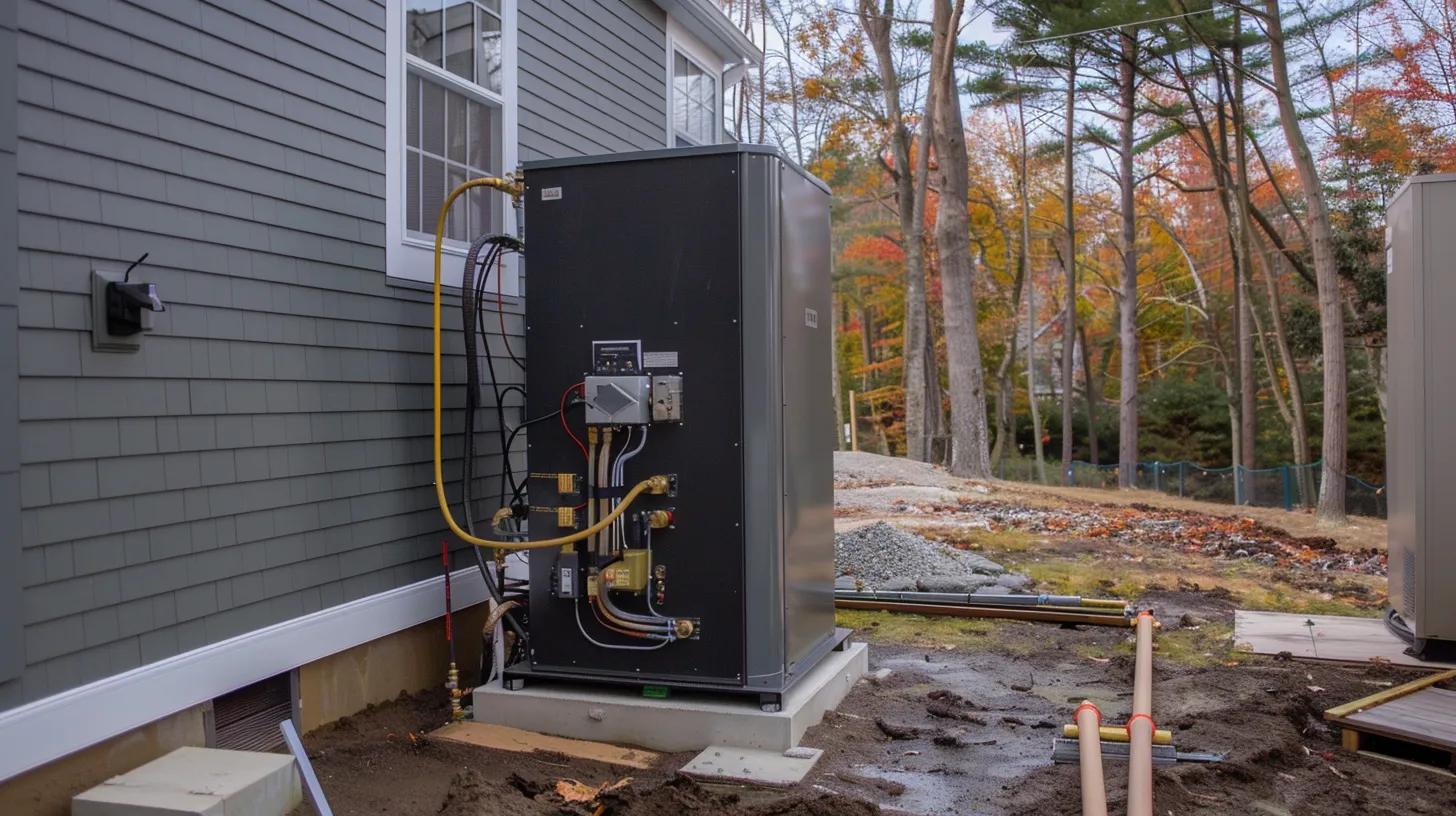
When Dallas temperatures dip below comfortable, a furnace is the home’s best friend. Furnaces create warmth by either burning fuel (usually natural gas) or using electric resistance heating, then push that heat through ducts to every room.
How A Furnace Actually Works
Because they generate heat rather than transfer it (like heat pumps do), furnaces deliver fast, powerful warmth, especially useful when sudden cold fronts hit Parkdale or the wider Dallas area. Their high heating output makes them reliable even during the city’s occasional freezes, keeping homes cozy no matter what the forecast brings.
Understanding Furnace Efficiency And Operating Costs In Dallas
Furnace efficiency is measured using the Annual Fuel Utilization Efficiency (AFUE) rating; basically, how much of the fuel becomes usable heat.
Modern gas furnaces typically range between 80% and 98.5% AFUE, while electric models can reach 100% efficiency since no energy is lost through venting. Here’s what that looks like in real-world costs:
| Furnace Type | AFUE Rating | Fuel Cost Basis | Estimated Annual Cost |
|---|---|---|---|
| Standard Gas | 80% | $12/therm | $1,200 |
| High-Efficiency Gas | 95% | $12/therm | $900 |
| Electric Furnace | 100% | $0.13/kWh | $1,500 |
A 95% AFUE gas furnace offers an excellent balance of comfort and cost savings for most Dallas homes. While furnaces may have slightly higher maintenance needs than heat pumps, those costs are usually modest and well worth the reliability.
What Are The Pros And Cons Of Furnaces For Dallas Homes?
Furnaces remain a top choice for homeowners who value steady, powerful, and reliable heating. With the help of trusted HVAC contractors in Moss Farm, residents can maximize comfort and efficiency through expert furnace installation, ensuring their homes stay warm, safe, and energy-efficient all winter long.
Here’s how they stack up:
| Pros | Cons |
|---|---|
| Powerful Heating: Ideal for quick warmth during Dallas cold snaps. | Fuel Costs: Natural gas prices can fluctuate seasonally. |
| High Capacity: Easily warms larger homes or older properties. | Emissions: Gas models release CO₂ and need safe venting. |
| Durable Systems: Long lifespan with proper care. | Maintenance Needs: Burners, heat exchangers, and flues must be inspected regularly. |
| Immediate Warmth: No lag time compared to heat pumps. | Less Eco-Friendly: Relies on fossil fuel use. |
If you’re unsure whether a furnace or heat pump better suits your lifestyle, a local HVAC expert can help you compare long-term costs and comfort.
What Are The Best Furnace Types For Dallas Homes?
Not all furnaces are created equal; your home’s size, insulation, and energy goals will help determine the best fit. Here are the top options for Harwood District homeowners:
- High-Efficiency Gas Furnaces (95–98.5% AFUE): Excellent for energy savings and long-term comfort. Perfect for families who want lower bills and reliable performance.
- Mid-Efficiency Gas Furnaces (80–90% AFUE): A solid choice for those balancing upfront cost with dependable heat.
- Electric Furnaces: Ideal for homes without natural gas connections; simple to install and maintain, but slightly higher to operate.
A skilled heating professional in Dallas can evaluate your home and help you select the best model for your needs. For reliable and energy-efficient furnace installation, contact our skilled heating technicians at Proactive Air, and save money with energy-efficient services and affordable financing.
Why Does Proper Furnace Care Matter In Winter?
Even the most advanced furnace won’t perform its best without routine upkeep. Regular furnace tune-ups keep energy use low, improve air quality, and prevent unexpected breakdowns during Dallas’s colder months.
Scheduling an annual HVAC maintenance visit ensures your system runs safely and efficiently, so your home stays cozy without surprise repair bills.
Which Heating System Is More Energy Efficient For Dallas Winters?

When it comes to staying warm efficiently in Dallas, both heat pumps and furnaces have their strengths, but the city’s mild winters tend to favor one more than the other. Let’s break down what skilled HVAC technicians have to say about them, and how they compare in real-world performance, costs, and environmental impact, so you can make the smartest choice for your home.
Heat Pump vs. Furnace Efficiency: The Basics
Here’s the simple truth: heat pumps don’t create heat, they move it. That’s why they’re so energy efficient. A well-maintained system can deliver three to four units of heat for every unit of electricity used; an efficiency rating known as the Coefficient of Performance (COP) between 3.0 and 4.0.
By contrast, a high-efficiency gas furnace converts about 98.5% of its fuel into heat, which is excellent, but it can never exceed a 1-to-1 energy ratio (a COP of 1.0).
So, while furnaces produce intense, immediate warmth, heat pumps deliver more heat per dollar spent on energy, a big win for efficiency in a city like Dallas.
| System Type | Efficiency Measure | Typical Performance Range |
|---|---|---|
| Heat Pump | COP (Coefficient of Performance) | 3.0 – 4.0 |
| Gas Furnace | AFUE (Annual Fuel Utilization Efficiency) | 80% – 98.5% |
When Do Heat Pumps Lose Efficiency In Dallas?
Heat pumps do their best work when outdoor temperatures stay above freezing, which is good news for Dallas homeowners.
Performance typically starts to drop around 25°F, when the system may rely on backup electric heating strips. Luckily, Dallas rarely experiences more than a few nights each year that cold, so most heat pumps run efficiently all winter long without extra support.
If your home’s in a particularly drafty area or you want guaranteed backup heating, a dual-fuel system (heat pump + gas furnace combo) is a smart upgrade. It automatically switches between systems for maximum comfort and efficiency.
Why Dallas’s Mild Climate Gives Heat Pumps An Edge
Dallas winters tend to hover between 40°F and 60°F, which happens to be the sweet spot for heat pump efficiency. In this range, they deliver consistent warmth without overworking or wasting energy.
Furnaces, meanwhile, perform the same regardless of outdoor temperature; they’re just less efficient overall. That’s why a heat pump or hybrid system is often the most cost-effective and eco-friendly choice for Trinity Groves and other Dallas-area neighborhoods.
Environmental Impact: A Win For Clean Heating
If sustainability matters to you, heat pumps take the lead. Because they use electricity instead of burning fuel, they produce zero on-site emissions, cutting a home’s carbon footprint by up to 50% compared to gas furnaces.
Even better, they can be powered by renewable energy sources like solar, making them an eco-conscious investment for the future. Gas furnaces, on the other hand, emit carbon dioxide and nitrogen oxides during combustion, contributing to local air pollution and greenhouse gases.
Switching to a high-efficiency heat pump system aligns with Dallas’s growing push toward cleaner, more sustainable living, without sacrificing comfort.
The Takeaway
In Dallas’s climate, heat pumps are the energy efficiency champions for most of the year. They use less energy, cost less to run, and reduce your environmental impact, all while keeping your home perfectly cozy. Furnaces still have their place for backup heat during rare cold snaps, but for everyday comfort, a heat pump is hard to beat.
Want to learn which system fits your home best? Talk to the pro Dallas heating technicians at Proactive Air Conditioning. Their energy-efficient solutions are designed to keep your home comfortable year-round, without sending your utility bills through the roof.
Heat Pump Or Furnace: Whatever You Choose, Proactive Air Conditioning Delivers

Choosing between a heat pump and a furnace in Dallas really comes down to your home’s needs, budget, and comfort preferences. With our city’s mild winters, a high-efficiency heat pump often delivers the perfect balance of energy savings, reliability, and eco-friendly performance.
But whichever option you choose, expert installation and regular maintenance make all the difference. That’s where Proactive Air Conditioning comes in. With over 15 years of experience, same-day service, and a commitment to quality workmanship and honest recommendations, our team ensures your heating system runs efficiently all winter long.
Known for timely, budget-friendly, and eco-conscious solutions, our certified technicians in Turtle Creek and surrounding areas put your comfort first, every time.