If you live in an older Dallas home, you have probably battled uneven temperatures, noisy window units, or steep summer energy bills. Upgrading the cooling can feel risky when you want to protect the home’s character and avoid tearing into plaster walls.
Ductless mini-splits offer a way to cool each room efficiently without major demolition, and their advantages go well beyond simply skipping the ductwork.
For homes built before central air was standard, a ductless system often fits better than a traditional one. This guide explains why older North Texas homes are so hard to cool, how ductless mini-splits actually work, and where they deliver the most comfort for the money.
Why Is Cooling an Older Dallas Home So Difficult?
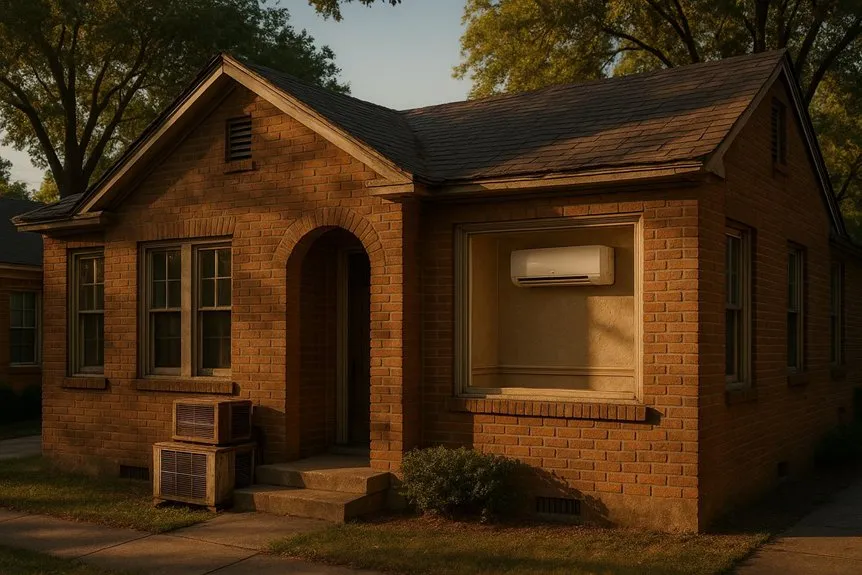
Keeping a vintage North Texas home comfortable through weeks of 100-degree heat is a real challenge, because the house itself often works against the air conditioner.
Many homes built between the 1940s and 1980s were never designed for today’s long cooling seasons. Thin insulation, leaky windows, and hot attics let heat build up in every room, so the system runs nonstop while spaces still feel stuffy.
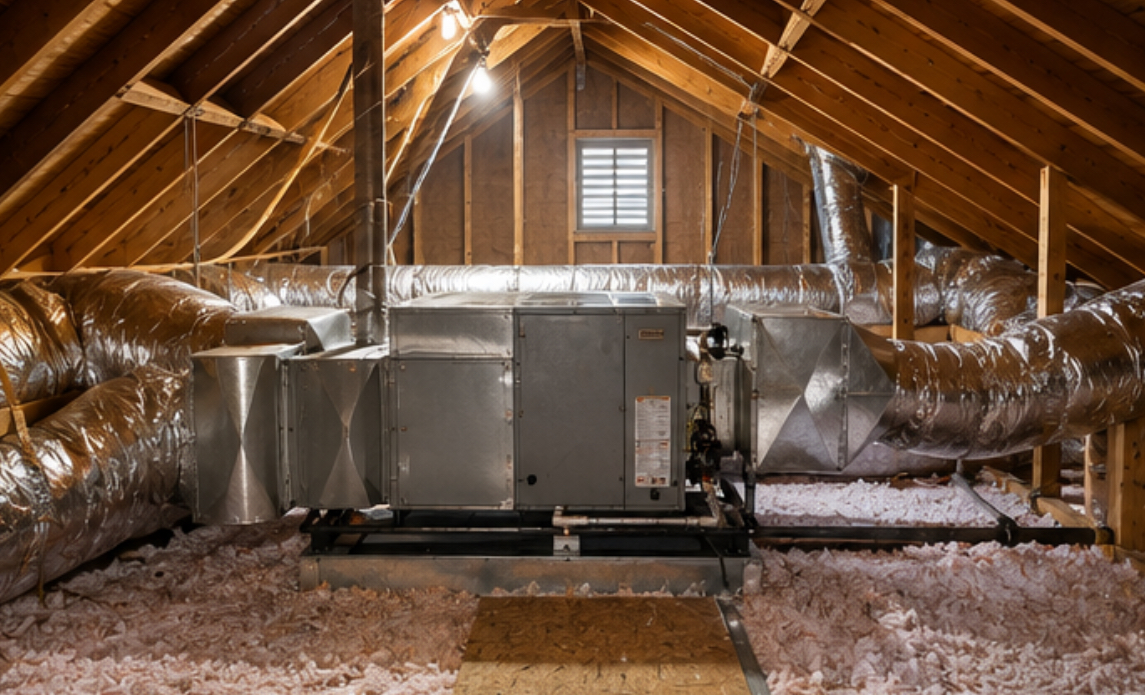
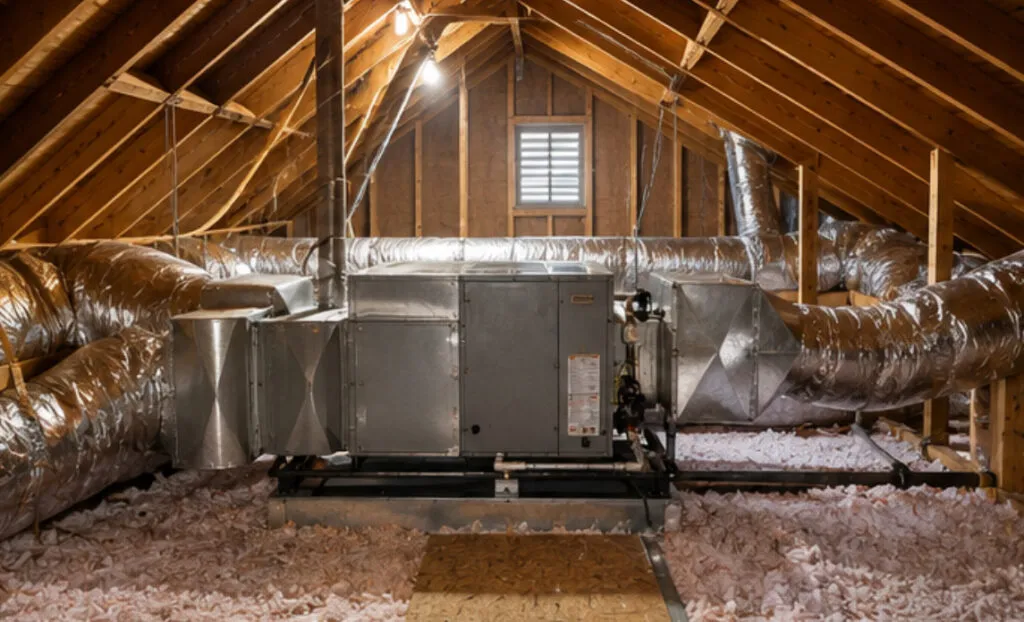
Aging or undersized ductwork makes it worse. In older homes, a large share of cooled air, often 20 to 30 percent, can be lost in the attic before it ever reaches the rooms. Add a second story, an enclosed porch, or a converted garage, and the original system usually cannot keep up.
The result is uneven temperatures, stubborn hot spots, and rising electric bills every summer. If a home is also seeing frequent shutoffs or complete cooling loss, that points to a system in need of emergency AC service rather than just an upgrade.
How Do Ductless Mini-Splits Work Without Ductwork?
Rather than forcing more air through leaky or undersized ducts, a ductless mini-split brings cooling straight into the rooms that need it.
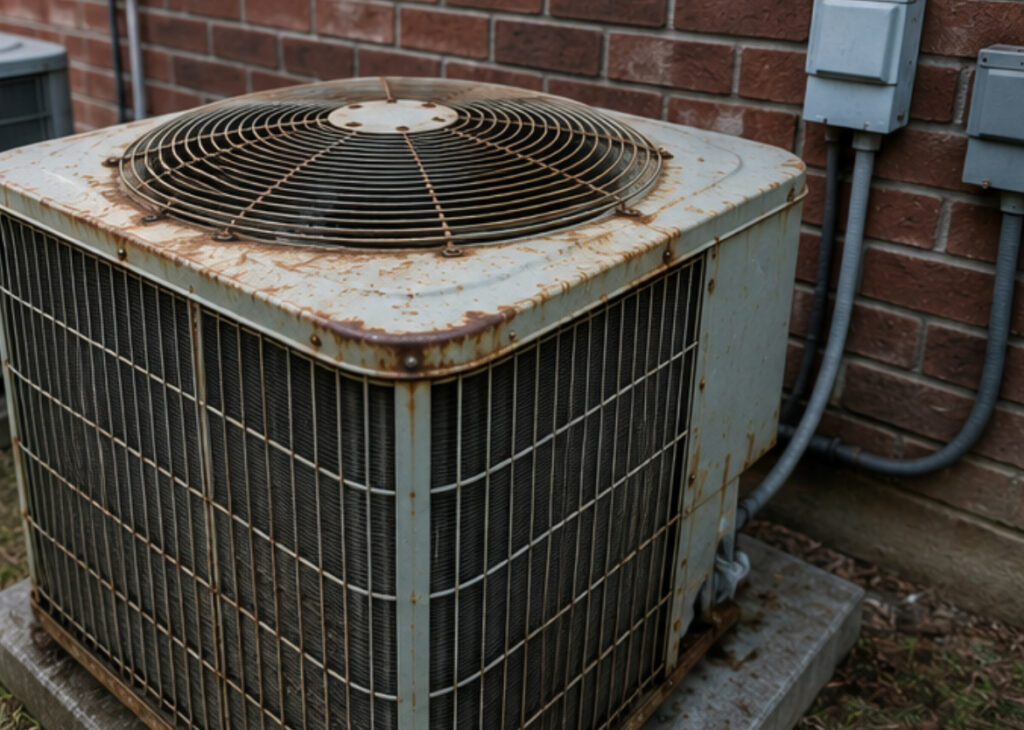
The system has two main parts: a quiet outdoor condenser and one or more indoor air handlers mounted on a wall, ceiling, or floor. They connect through a small, insulated line set that runs through a three- to four-inch hole in the wall, with no bulky ductwork involved.
- No ductwork needed: Perfect for older homes without existing ducts.
- Room-by-room control: Set different temperatures in different spaces.
- Higher efficiency: Reduces energy loss common in older duct systems.
- Quiet performance: Operates with minimal indoor noise.
- Heating and cooling: Provides year-round comfort from one system.
Refrigerant moves between the indoor and outdoor units, absorbing heat from the room and releasing it outside. Each indoor head has its own fan and controls, so temperatures can be fine-tuned room by room.
Because there is no long duct run through a 130-degree attic, far more of the cooling you pay for actually reaches your living space, which is a meaningful difference in an older home that already struggles with duct loss.
Why Do Mini-Splits Fit Older and Historic Homes So Well?
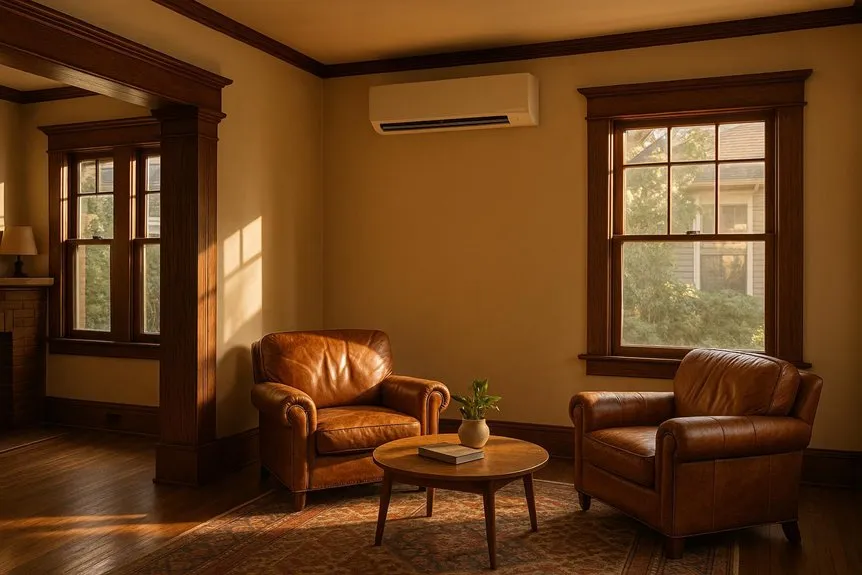
Because older homes were never designed for modern central air, ductless mini-splits often suit them far better than a conventional system.
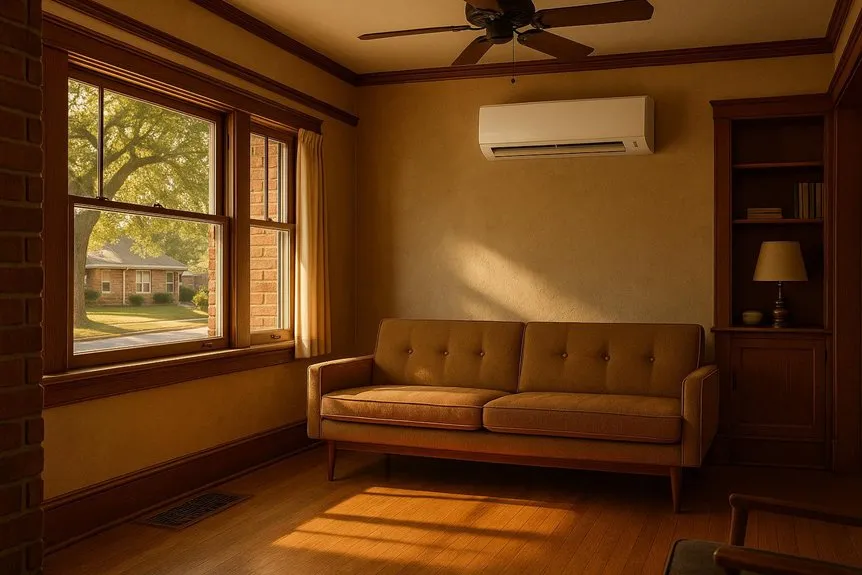
In a 1940s bungalow or a preserved historic home, most owners would rather not run soffits or bulky ducts through plaster ceilings, crown molding, or original shiplap. Mini-splits let you keep that character intact while still staying comfortable through 100-degree stretches.
The compact indoor heads can be placed where they are least intrusive and most effective, matched to how each room is actually used.
A slim unit high on a living-room wall keeps the trim and ceilings untouched, a head near a stair landing stops heat from stacking upstairs, and a discreet unit in a sunroom turns a west-facing space from stifling into usable. That flexibility is exactly what older floor plans tend to need.
Are Ductless Mini-Splits More Energy Efficient?
For an older North Texas home fighting a run of 100-degree days, efficiency is where mini-splits really stand out. Because there is no long duct system snaking through a superheated attic, you avoid the 20 to 30 percent of cooled air that ducts often lose before it reaches the room, so you feel the output you are paying for.
Most high-efficiency mini-splits also use inverter technology, ramping up and down smoothly instead of constantly cycling on and off, which holds temperatures while using less energy. The contrast with a typical central system is easy to see:
| Feature | Typical Central AC | Ductless Mini-Split |
|---|---|---|
| Duct losses | 20 to 30% in hot attics | Minimal, no long ducts |
| Room control | One thermostat | Individual room settings |
| Energy use pattern | Frequent on/off cycles | Smooth, part-load operation |
For a home that already loses cooled air to leaky ducts, closing that gap is often the single biggest efficiency gain available.
Which Rooms Benefit Most From a Ductless Mini-Split?
Some of the biggest wins come from targeting the problem spots in an older home rather than overhauling the entire system. A ductless head delivers the most value in the rooms your existing HVAC never quite handles, especially during those long 100-degree stretches. The spaces that benefit most tend to be the same ones homeowners complain about every summer:
- Upstairs bedrooms that stay hot without overcooling the downstairs
- Converted garages or studios used as gyms, hobby rooms, or workshops
- Home offices that need a steady temperature for work and video calls
- Sunrooms and enclosed patios with west-facing glass and late-day heat
- Room additions or guest suites that were never tied into the old ductwork
Adding comfort to one or two of these areas is often far more cost-effective than forcing an aging central system to do more than it can. A Dallas HVAC contractor can help you decide which rooms make the most sense to start with.
Why Installation Is Easier in Older Dallas Homes
One of the biggest reasons ductless mini-splits are such a smart upgrade for older Dallas homes is their simple installation process. Unlike traditional HVAC systems that require extensive ductwork, mini-splits deliver comfort with minimal disruption to your home’s structure and finishes.
1. Flexible Placement for Any Home Layout
Whether you own a historic bungalow, ranch-style home, or older property with room additions, mini-splits can be customized to fit your space. Indoor units can be strategically placed in bedrooms, living areas, home offices, and converted garages to provide targeted comfort where it’s needed most.
2. Minimal Impact on Your Home
Installation typically requires only a small opening in an exterior wall to connect the indoor and outdoor units. This eliminates the need for major demolition, making mini-splits an excellent solution for older homes with limited attic space, plaster walls, or outdated duct systems.
3. Fast Installation and Immediate Comfort
Most ductless mini-split installations can be completed in just a few days. Once installed, the system is tested, calibrated, and ready to provide efficient heating and cooling with easy-to-use room controls.
Choosing the right HVAC contractor is just as important as choosing the right system. An experienced professional will properly size the equipment, determine the best placement for each indoor unit, and ensure the installation is completed correctly.
Working with a trusted HVAC company helps you get the maximum comfort, efficiency, and long-term performance from your new ductless mini-split system.
Why Choose Proactive Air Conditioning for Mini-Split Installation in Dallas, TX

A ductless mini-split can transform comfort in an older Dallas home, but the result depends heavily on how it is sized and installed. A head placed in the wrong spot, or a system sized by guesswork, leaves you with the same hot rooms and wasted energy you were trying to escape.
Proactive Air Conditioning brings more than 15 years of North Texas HVAC experience and NATE-certified technicians to every project. The team runs load calculations, evaluates insulation and existing ducts, and places each indoor head for even comfort, so your mini-split installation fits both your home and how you live in it.
If uneven temperatures or a struggling old system have you considering an upgrade, it is worth exploring whether ductless is the right fit. Reach out for honest options built around your home, not a one-size-fits-all quote.